
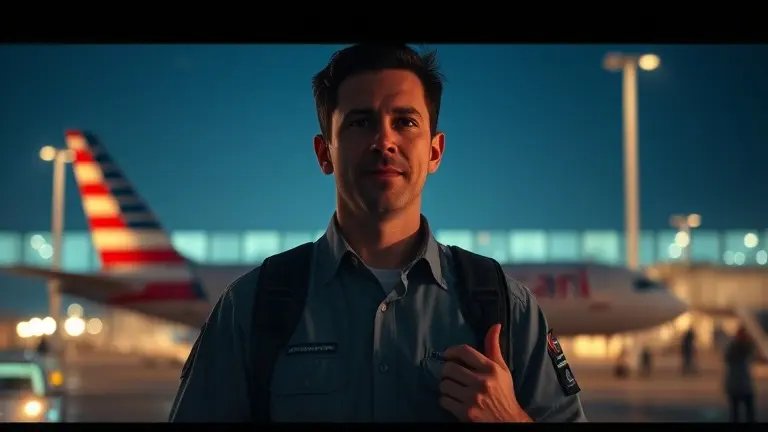
When the Federal Aviation Administration issued a nationwide ground stop for American Airlines on July 28, 2026, thousands of travelers were suddenly left stranded in terminals, staring at flickering departure boards with no clear path forward. An internal IT outage may be a technical issue for the carrier, but for you, it is an immediate logistical crisis that demands quick, clear thinking under immense pressure. Whether your flight was grounded before takeoff or you were mid-transit, the cascade of cancellations and delays can turn an already stressful travel day into a state of total mental exhaustion.
Navigating these disruptions requires more than just patience; it requires an actionable strategy. From understanding your specific passenger rights during tech-related failures to bypassing the inevitable, hour-long customer service queues, this guide provides the toolkit you need to regain control. By separating the facts of an IT-related American Airlines outage from the uncertainty of standard weather delays, you can make informed decisions that save you time, money, and unnecessary frustration.
Understanding the July 28, 2026, American Airlines Ground Stop
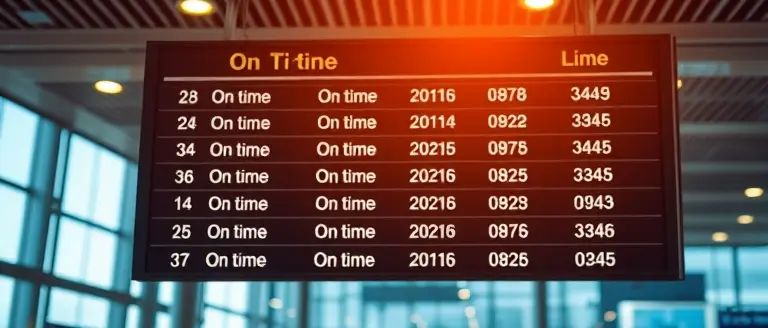
On the evening of July 28, 2026, travelers across the United States experienced widespread travel disruptions when the Federal Aviation Administration (FAA) issued a temporary nationwide American Airlines ground stop. The directive was triggered by a significant internal American Airlines outage that crippled the carrier’s ability to process flight data effectively, forcing a pause in all departures to ensure the safety and coordination of the national airspace. Unlike weather-related delays, which are often localized, this technical failure necessitated an enterprise-wide intervention, leading to immediate concern for passengers regarding their American Airlines flights.
The disruption, while alarming for those in airports or en route, was relatively short-lived. Official reports confirm that the ground stop lasted less than an hour before technical teams successfully mitigated the systems issue. During this window, the airline utilized its primary communication channels, including X (formerly Twitter), to issue apologies and provide real-time updates as they worked to restore standard operations.
Key Facts Regarding the IT Outage
- FAA Involvement: The ground stop was an explicit mandate from the FAA, designed to prevent a backlog of aircraft from taking off into an unsupported operational environment.
- Duration: The event was contained within a period of less than 60 minutes, preventing a multi-day cascading failure.
- Service Restoration: Following the swift resolution of the internal IT failure, American Airlines grounded flights began to resume service, and operations transitioned back to normal schedules shortly thereafter.
While the incident caused temporary chaos, the quick recovery highlights the resilience of the carrier’s core infrastructure once the glitch was identified. For passengers seeking the latest American Airlines news, it is important to note that the situation was fully resolved on the evening of the 28th. Travelers who continue to experience delays following this event are encouraged to check the status of their specific flight through the airline’s mobile application or official website, as minor residual scheduling adjustments may occasionally follow major technical resets.
Flight Passenger Toolkit: Navigating Tech-Related Disruptions

When an American Airlines outage strikes, the resulting chaos at airport gates can be overwhelming. During a nationwide American Airlines ground stop, physical customer service desks often become overwhelmed with thousands of stranded passengers. To minimize your wait time and regain control of your travel plans, you must move quickly to digital self-service tools. The American Airlines mobile app is your most powerful asset during these technical failures; it is frequently updated faster than airport personnel can provide manual assistance. If your American Airlines flights are disrupted, use the app to check for immediate rebooking options, which often appear as automated prompts, allowing you to bypass physical queues entirely.
Tactical Steps for IT Disruptions
If you find yourself affected by an unexpected grounding, consider these actionable steps to navigate the disruption efficiently:
- Leverage the Mobile App: Immediately navigate to the “Manage Trip” section of the app. Many automated systems will display new flight options or allow for cancellation with a full refund if the delay exceeds the airline’s threshold.
- Utilize Self-Service Kiosks: If the app fails due to system load, head directly to a self-service kiosk. These terminals often operate on a different server segment than the main booking engine and can print boarding passes for rebooked flights.
- Monitor Third-Party Trackers: Use services like FlightAware or FlightRadar24 to track your aircraft’s specific movement. If you see your flight is still sitting at its origin airport long after the ground stop is lifted, you can proactively seek alternatives before the airline officially cancels your route.
- Social Media Monitoring: Monitor the official American Airlines X account. During a grounded event, the carrier often posts real-time workarounds and waiver codes for fee-free flight changes, which can save you significant costs.
Remember that unlike weather-related delays, which are considered “force majeure,” large-scale IT outages are internal operational failures. While this does not always guarantee automatic compensation, it does provide you with stronger leverage to request travel vouchers or hotel accommodations if your flight is significantly delayed or canceled due to the carrier’s technical infrastructure. Staying calm and prioritizing these digital workflows is the most effective way to manage the impact of an American Airlines service interruption.
Your Rights: Tech Outages vs. Force Majeure

Understanding the distinction between an American Airlines outage and a force majeure event is critical for any traveler affected by a sudden American Airlines ground stop. Under U.S. Department of Transportation (DOT) regulations and carrier-specific conditions of carriage, the airline’s liability changes significantly depending on the root cause of the delay. While weather events, air traffic control congestion, or natural disasters are categorized as force majeure—events outside the airline’s direct control—an internal IT failure is considered within the airline’s “controllable” domain.
Controllable Disruptions vs. Force Majeure
When an American Airlines flight is delayed or cancelled due to technical infrastructure failures, the disruption is classified as controllable. This distinction provides passengers with stronger leverage regarding compensation and amenities. According to the DOT’s Airline Customer Service Dashboard, American Airlines has committed to specific standards for controllable cancellations and delays, which include:
- Meal Vouchers: Provision of meal vouchers for delays of three hours or more from the original scheduled departure time.
- Hotel Accommodations: Provision of complimentary hotel lodging for overnight delays.
- Ground Transportation: Arrangement of complimentary ground transportation to and from the hotel.
- Rebooking: Prompt rebooking on the next available American Airlines flights at no additional cost.
In contrast, if a disruption stems from force majeure, airlines are not legally required to provide the same level of support, though they often do so as a gesture of goodwill. Because an internal software or IT glitch implies a failure in maintenance or operational resilience, the airline is expected to proactively mitigate the impact on its passengers. If you find yourself stranded during such an event, document all expenses and ensure you retain digital receipts, as these are essential should you need to file a claim for reimbursement later. Always check the official DOT “Airline Customer Service Dashboard” to verify the specific commitments American Airlines has made regarding their current service policies.
Analyzing IT Resilience in Major US Airlines

The recent American Airlines ground stop serves as a stark reminder of the fragile nature of modern aviation infrastructure. While travelers often view airlines as transportation companies, they are, in reality, massive, high-frequency technology platforms. Complex airline systems rely on a delicate synchronization of global reservation databases, crew scheduling software, and real-time flight tracking tools. When an American Airlines outage occurs, it is rarely due to a single point of failure; rather, it is often a cascading error where legacy software infrastructure struggles to communicate with modernized cloud-based modules. Many carriers still operate on foundational systems developed decades ago, creating “technical debt” that complicates rapid patches and system resets during peak operations.
The Shift Toward Cloud-Based Resilience
To combat the frequency of these disruptions, major US carriers are aggressively transitioning toward cloud-native architectures designed to isolate failures. The goal of this digital transformation is to ensure that if one internal service fails, it does not trigger a nationwide stoppage. Key benefits of these infrastructure investments include:
- Modular Isolation: By decoupling critical services, an error in the flight-check-in portal no longer necessarily compromises the flight-planning systems used by pilots and the FAA.
- Elastic Scalability: Cloud systems allow airlines to handle massive spikes in data processing—such as mass rebooking requests—without the entire server cluster collapsing under the load.
- Redundancy Protocols: Real-time data mirroring ensures that if a primary data center suffers an anomaly, secondary systems can take over with minimal latency, ideally preventing the total grounding of American Airlines flights.
Despite these investments, the complexity of modern aviation means that complete immunity to outages is unlikely in the near term. As the industry moves forward, resilience is measured not by the absence of errors, but by the speed at which IT teams can recover—a critical metric for passengers who prioritize timely travel over technical perfection. Future American Airlines news regarding operational stability will likely focus on these defensive infrastructure upgrades as the primary benchmark for corporate reliability.
Stay Composed When Chaos Hits the Terminal
Managing an unexpected American Airlines ground stop isn’t just about rebooking your seat; it is about managing your own internal environment while the external world falls into disarray. While you wait for your flight status to update, your biggest hurdle is managing the stress and mental fatigue that often cloud your decision-making in the airport. When anxiety takes hold, your ability to navigate rebooking apps or negotiate with gate agents is compromised, leading to further delays and missed opportunities.
This is where your cognitive resilience becomes your most valuable travel accessory. To turn the waiting experience from a period of high-anxiety agitation into an opportunity for mental recovery, we recommend The Brain Song. This digital calm-down tool is designed to bypass the ‘brain fog’ of travel disruptions, offering an immediate, portable, and low-friction auditory protocol that resets your nervous system in just 12 minutes. By using this on your smartphone, you can clear your head and maintain the composure needed to handle complex travel hurdles with total clarity.
Don’t let a technical outage dictate your mood or your travel plans. Take the step today to safeguard your mental well-being for every journey ahead.
 Download the 12-minute auditory reset protocol now to keep a clear head and take control of your travel experience, regardless of the flight status.Transform My Travel Stress Now!