
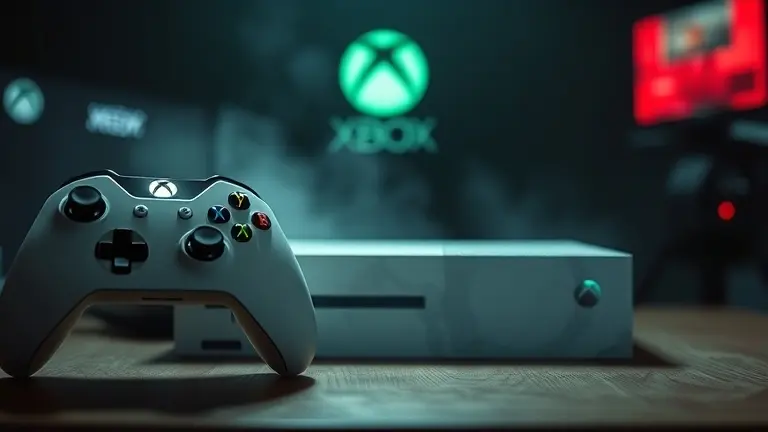
The morning of July 27, 2026, began like any other for thousands of gamers, until it didn’t. As players attempted to boot up their consoles, they were met not with their favorite digital landscapes, but with the dreaded ‘0x87e107df’ error code. This wasn’t just a minor glitch; it was a total collapse of the Xbox ecosystem that rendered both digital titles and physical discs completely unplayable. The frustration was palpable, turning gaming rooms into digital graveyards where the silence was broken only by the recurring failure of Microsoft’s authentication servers.
This event has ignited a long-overdue firestorm regarding the ‘all-digital’ future forced upon consumers by modern tech giants. When even a physical game disc—once the gold standard of ownership—is effectively bricked by a server-side dependency, we must ask: do we truly own our entertainment? This systemic failure highlights a fragile reliance on cloud connectivity that leaves users at the mercy of platform holders, sparking a necessary debate about DRM policies versus the true, lasting value of tangible, offline media.
Understanding the July 27 Xbox Global Outage and Error 0x87e107df
On July 27, 2026, the global Xbox ecosystem suffered a significant infrastructure failure that crippled gaming services for thousands of players worldwide. The disruption, which began at approximately 5:30 AM ET, quickly manifested as a widespread Xbox outage that rendered consoles unable to verify user licenses or maintain connectivity with Microsoft’s authentication servers. Unlike localized network hiccups, this event was a systemic failure of the platform’s backend, preventing users from accessing their personal libraries or even navigating the dashboard interface effectively.
The Anatomy of Error 0x87e107df
The hallmark of this event was the persistent appearance of error 0x87e107df. This specific code prevented account sign-ins, effectively locking users out of their digital profiles. Because modern Xbox consoles utilize a constant handshake protocol to verify DRM (Digital Rights Management) entitlements, the failure of these servers rendered even physical game discs unplayable.
- Digital Lockout: Players could not launch titles purchased through the Microsoft Store, as the server-side authentication handshake failed.
- Physical Media Vulnerability: Despite owning the physical disc, the console required an online verification to confirm the license, meaning players were unable to launch offline-ready games.
- Authentication Failure: The 0x87e107df error signaled that the console could not communicate with the Xbox server status gateway, preventing the device from confirming who the user was or what they owned.
As reports flooded social media and trackers like Xbox status monitors, it became clear that this was not a hardware malfunction but a centralized failure of Microsoft’s cloud-based authentication services. The incident highlighted the fragility of current console DRM policies, sparking intense debate among the gaming community regarding the reliability of an “always-online” architecture in an era where ownership is increasingly tied to cloud connectivity rather than local hardware access.
The All-Digital Illusion: Why Physical Discs Failed

The widespread Xbox outage on July 27, 2026, served as a stark, technical wake-up call for the gaming community. While players generally associate server downtime with digital storefronts, this event highlighted a deeper, structural failure: the modern console’s total dependency on persistent online authentication. Even for users who possessed physical media, the infamous ‘0x87e107df’ error code effectively transformed tangible game discs into useless plastic. This happens because modern consoles do not simply “read” a game from the disc; they initiate a silent, mandatory “handshake” with Microsoft servers to verify digital rights and ownership before a single level can load.
The Death of True Ownership
The reality revealed by this Xbox status disruption is that physical media has, for all intents and purposes, become a digital-only asset in terms of utility. When the Xbox ecosystem goes offline, the DRM (Digital Rights Management) architecture prevents the console from confirming that the user has the legal right to play the content they purchased. This creates several concerning implications for the consumer:
- Authentication Bottlenecks: Even if the game data exists on the physical disc, the system lacks the local verification capability to bypass the server-side check.
- False Security: Consumers who bought physical copies under the guise of “offline preservation” found themselves locked out just as thoroughly as those relying on cloud-based libraries.
- Fragile Infrastructure: The reliance on centralized servers means that a single point of failure can render millions of consoles globally non-functional for gaming.
This incident proves that unless manufacturers move toward a more resilient architecture—such as allowing offline, local license verification—the industry remains trapped in a precarious state. Unlike GOG-style, DRM-free approaches on PC, current console DRM policies prioritize platform control over user accessibility. As we move deeper into this generation, the Microsoft Xbox outages serve as a critical reminder that when you surrender ownership to a server, you lose the guarantee that your library will remain playable.
The Fragility of Modern Console Ecosystems

The July 27, 2026, xbox outage serves as a jarring wake-up call regarding the structural instability of modern gaming platforms. By preventing users from accessing even physical game discs, the 0x87e107df error highlighted a fundamental flaw: the transition toward a system where ownership is contingent upon constant connectivity to Microsoft Xbox servers. When the central authentication service fails, the distinction between a digital download and a physical copy evaporates, rendering hardware effectively inert. This incident, compounded by recent instability within the PlayStation Network (PSN), suggests an alarming industry trend where centralized DRM (Digital Rights Management) policies take precedence over consumer accessibility.
The Hidden Cost of Always-Online Architecture
The reliance on “always-online” connectivity for local gameplay creates a single point of failure that jeopardizes the long-term viability of console gaming. Unlike platforms that prioritize offline functionality or DRM-free distributions—such as those seen in certain PC markets—current console ecosystems enforce a rigid tether to the cloud. This architecture introduces several systemic risks:
- Loss of Ownership: Players who possess physical media are shocked to find their property inaccessible due to server-side handshake failures, undermining the historical value of physical collections.
- Centralized Vulnerability: When platforms like Xbox and PSN suffer widespread outages, thousands of users are locked out simultaneously, demonstrating that service infrastructure is not keeping pace with the demands of an all-digital gaming future.
- Dependence on Connectivity: The current model assumes a perfect uptime, a standard that major tech corporations have repeatedly failed to meet, leading to inevitable spikes in negative social sentiment and consumer distrust.
As the industry shifts further toward cloud-integrated services, the xbox status and overall service reliability become the primary gatekeepers of player experience. Without a shift toward robust, offline-first authentication, consumers remain at the mercy of server stability. The recent microsoft xbox outages suggest that until structural changes are made to decouple local game execution from global connectivity, these high-profile disruptions will remain a persistent threat to the integrity of the gaming ecosystem.
The Path Forward: Reclaiming Digital Rights and Offline Capability

The July 27, 2026, xbox outage serves as a wake-up call for the gaming industry, highlighting a fragile reliance on centralized server authentication. When players discovered that their physical discs were effectively “paperweights” due to the 0x87e107df error, it exposed a fundamental flaw in modern DRM (Digital Rights Management). To protect consumer investments, the industry must pivot toward structural changes that decouple game accessibility from persistent connectivity. Ensuring that hardware can function independently of a microsoft xbox outage is not merely a convenience—it is a necessity for long-term game preservation.
Industry Shifts for Consumer Protection
To restore trust, developers and platform holders should adopt more transparent and user-centric policies. Relying on “always-online” requirements for single-player experiences is an outdated model that punishes the consumer for infrastructure failures beyond their control. Key improvements should include:
- Decoupled Authentication: Implementing local, handshake-free validation for physical media so discs remain playable during a xbox status failure.
- Mandatory Offline Modes: Ensuring all single-player titles have a verified, permanent offline execution state that requires no server check-in.
- Transparency Dashboards: Providing real-time, granular details during a xbox outage today so users know exactly which services are affected and the estimated recovery time.
- Proactive “Legacy” Support: Future-proofing consoles by allowing games to run in an offline capacity even after official server support for a console generation eventually ends.
The debate surrounding digital rights vs. service outages is the defining challenge of this console generation. By adopting GOG-style, DRM-free philosophies—where the user truly owns the software—manufacturers can mitigate the backlash seen during these widespread connectivity blackouts. True ownership must mean that a player’s library remains accessible regardless of the health of xbox servers, ensuring that gaming remains an entertainment medium rather than a transient, leased service.
Reclaiming Your Autonomy in an Offline World
The recent Xbox outage serves as a wake-up call for every gamer who believes they are in control of their digital library. When the cloud goes dark, your collection becomes nothing more than a collection of expensive digital ghosts. This lack of true ownership is the inherent cost of convenience in our modern, hyper-connected landscape. While we cannot force Microsoft to change its DRM policies, we can choose to shift our focus toward things that no server outage can ever take away.
If the fragility of digital media has left you feeling frustrated, perhaps it is time to pivot toward the tangible. There is a profound, lasting satisfaction in creating physical objects with your own hands—projects that exist in the real world, fully immune to license revocations and connectivity errors. By reclaiming the spirit of craftsmanship, you create a personal space that is fundamentally ‘offline’ and entirely yours, free from the reach of corporate servers.
Stop waiting for servers to let you play and start building something that’s yours forever—explore the library of 16,000 timeless projects here.
 Stop waiting for servers to let you play and start building something that’s yours forever—explore the library of 16,000 timeless projects here.Yes, I Want To Build My Offline Legacy!