
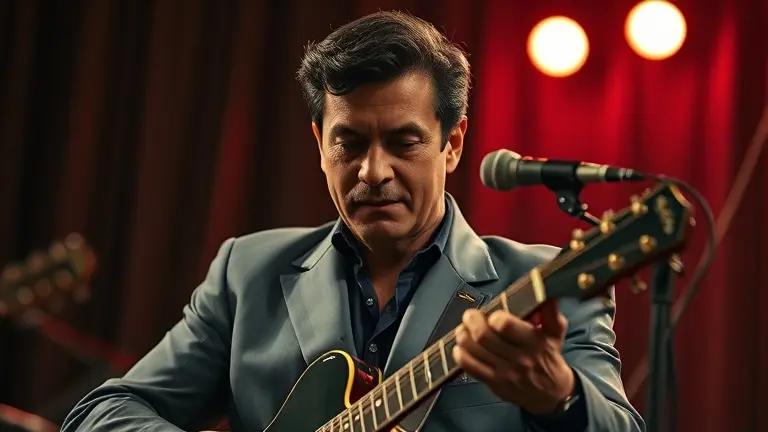
The world of rock and roll lost a true pioneer on July 17, 2026, as Freddy Cannon—the man who became synonymous with the raw, heart-thumping energy of the late 1950s—passed away at the age of 89. Born Frederick Anthony Picariello, Cannon earned his famous nickname, ‘Boom Boom’, for his unique ability to turn a simple bass drum into a rhythmic powerhouse that defined the sound of an entire generation. From the infectious charm of ‘Tallahassee Lassie’ to the iconic, anthemic resonance of ‘Palisades Park’, his music didn’t just top the charts; it acted as the essential bridge between the polished harmonies of doo-wop and the electrifying, uptempo roar of early rock.
As we mourn the loss of this monumental talent, we are reminded that Cannon’s contribution was far more than mere melody. He mastered the science of the ‘thump,’ a percussive production style that physically compelled audiences to move. This retrospection goes beyond the standard obituary, exploring how a young kid from Revere, Massachusetts, harnessed the primal power of rhythm to change the musical landscape forever, leaving behind a legacy that continues to echo through the halls of rock history.
Remembering the Legacy of Freddy Cannon (1936–2026)

The music world is in mourning following the announcement that 1950s rock star Freddy Cannon, born Frederick Anthony Picariello, passed away on July 17, 2026, at the age of 89. Residing in Oxnard, California, the legendary performer succumbed to a battle with cancer, a private struggle that preceded the official news confirmation by several days. As reports surfaced across major outlets like USA TODAY in late July 2026, a surge of public tributes began to highlight the profound influence he held over the early rock and roll era. Known affectionately as “Boom Boom” Cannon, his career served as a critical bridge between the rhythmic structures of doo-wop and the high-octane energy of the early 1960s pop landscape.
His legacy is defined by a series of high-energy anthems that captured the spirit of a generation, characterized by a signature, percussive production style that earned him his famous moniker. Beyond his chart success, Cannon remained a fixture of rock and roll nostalgia, consistently credited for his unique contributions to the industry:
- Signature Hits: His 1959 breakout single “Tallahassee Lassie” and the 1962 smash “Palisades Park” remain essential staples of American radio history.
- Production Innovation: He was widely recognized for the intense, “thumping” bass drum sound on his recordings, which influenced the sonic architecture of countless mid-century tracks.
- Enduring Presence: Throughout his long career, Cannon maintained a dedicated fanbase, regularly performing his greatest hits, including “Way Down Yonder in New Orleans,” for audiences worldwide.
As the industry reflects on his passing, Freddy Cannon is remembered not merely as a singer, but as an architect of the uptempo rock sound. His death marks the end of a remarkable chapter in music history, leaving behind a discography that continues to define the joy and rebellion of the 1950s and 60s. Fans and fellow musicians alike are currently reflecting on his deep cultural impact, ensuring that his rhythmic, “boom-boom” sound continues to resonate for future generations of rock enthusiasts.
From ‘Tallahassee Lassie’ to the Charts: A Musical Bridge
The career of 1950s rock star Freddy Cannon serves as a vital historical link in the evolution of American popular music. As the industry transitioned from the refined harmonies of late-50s doo-wop toward the high-octane, rhythm-driven intensity of the early 1960s, Cannon emerged as a defining force. His breakthrough in 1959 with “Tallahassee Lassie” was more than just a radio success; it was a rhythmic manifesto. By infusing his tracks with a signature, thunderous bass drum—a technique that earned him the legendary nickname “Boom Boom” Cannon—he created a sonic template that anticipated the surge of uptempo, dance-oriented rock and roll.
The Sonic Legacy of ‘Boom Boom’ Cannon
Cannon’s ability to capture the restlessness of post-war youth resonated through his chart performance and energetic delivery. His musical bridge-building is best exemplified by the cultural footprint of his hits:
- Tallahassee Lassie (1959): A quintessential early rock anthem that showcased his raw, percussive vocal style and set the stage for the dance-craze era.
- Palisades Park (1962): A masterpiece of early 60s pop production, this track solidified his legacy by blending boardwalk nostalgia with a fast-paced, infectious energy that captured the imagination of the Baby Boomer generation.
- Way Down Yonder in New Orleans: A testament to his versatility, proving that he could modernize traditional sounds without losing the grit that made him a staple of the rock and roll charts.
These recordings remain enduring because they balance technical simplicity with an undeniable, visceral “thump.” While other artists of the era leaned into crooning or folk-adjacent styles, Cannon’s commitment to the driving beat helped define the early rock soundscape. His work persists as a cornerstone of the era, offering a vibrant, high-energy reflection of the 1960s pop zeitgeist that continues to influence modern rock and pop production.
Why They Called Him ‘Boom Boom’
The moniker ‘Boom Boom’ Cannon was not merely a marketing gimmick; it was an accurate sonic descriptor of the revolutionary production style that defined the career of the 1950s rock star Freddy Cannon. Throughout the late 1950s and early 1960s, Cannon’s music stood out against the backdrop of smoother, pop-oriented crooners. His records were characterized by an aggressive, driving, and relentlessly heavy percussive sound that seemed to leap out of the radio. This signature style was meticulously crafted alongside legendary producer Bob Crewe, who recognized that Cannon’s high-energy vocal delivery required an equally muscular musical foundation to compete in the burgeoning rock and roll landscape.
The Anatomy of the ‘Boom Boom’ Sound
The intensity of Cannon’s tracks, most notably on the 1959 hit ‘Tallahassee Lassie’, relied on several key production techniques that emphasized the “boom” in his reputation:
- Heavy Bass Drum Embellishment: Engineers often over-amplified the bass drum, creating a thunderous, thumping heartbeat that provided the backbone for his uptempo tracks.
- Aggressive Handclapping and Stomping: To emulate the energy of a live performance, early recordings often featured layered percussion and rhythmic stomping, pushing the raw energy of the song to its peak.
- The Bridge Between Eras: By blending the melodic sensibilities of late 50s doo-wop with the raw, muscular instrumentation of early 60s rock, Cannon bridged the gap between different generations of listeners.
This production approach effectively transformed the studio recording into an explosive experience. While other artists of the era focused on vocal nuance or lyrical sophistication, Cannon became a pioneer of the “wall of sound” aesthetic before the term gained mainstream traction. His reputation as an explosive performer was solidified by this rhythmic foundation, proving that the 1950s rock star Freddy Cannon was as much a product of his unique, percussion-heavy soundscape as he was a charismatic frontman. This raw, unabashed power remains a primary reason why his catalog continues to resonate with music historians and rock enthusiasts today.
An Enduring Influence: The Everlasting Appeal of Early Rock
The passing of the legendary 1950s rock star Freddy Cannon serves as a poignant reminder of the fragility of musical history and the vital importance of preserving the foundational sounds that shaped modern pop music. Artists like Cannon did more than just chart hits; they constructed the blueprint for the high-energy, rhythmic pulse that defines the rock and roll genre. By revisiting his expansive discography—from the infectious stomp of “Tallahassee Lassie” to the evocative, amusement-park nostalgia of “Palisades Park”—listeners can reconnect with the raw, unfiltered spirit of the early rock era. Preserving this history ensures that the bridge between 1950s doo-wop and the high-octane 1960s pop evolution remains intact for future generations of music historians and fans alike.
The Sonic Legacy of ‘Boom Boom’ Cannon
Freddy Cannon’s influence extended far beyond his vocal delivery; it was his unique production approach that set him apart. Known as “Boom Boom” Cannon, his signature style relied on a heavy, thumping bass drum sound that acted as the heartbeat of his tracks. This percussive innovation served as a precursor to the driving beats that would eventually dominate the charts in the decades that followed. His ability to blend traditional pop sensibilities with a visceral, danceable intensity provides a masterclass in how simple, effective production can stand the test of time.
To keep the roots of rock and roll alive, consider the following ways to engage with his legacy:
- Curate Essential Playlists: Revisit his definitive top tracks to understand the progression of his percussive, high-energy recording style.
- Study the Production: Listen closely to the “thumping” bass drums that earned him his famous nickname, noting how they influenced the early rhythm-driven rock soundscape.
- Explore Cultural Context: Recognize his role in documenting the American experience through anthems like “Way Down Yonder in New Orleans,” which cemented his status as a storytelling force in pop music.
By actively engaging with these recordings, we honor the architectural role Cannon played in the evolution of American popular music, ensuring his rhythmic contributions continue to resonate long after his departure.
Harnessing the Rhythmic Power of Sound
Freddy Cannon’s career was defined by his uncanny understanding that music is a physical experience, a rhythmic pulse that speaks directly to our senses. His legacy is not just in the records he sold, but in the way his ‘Boom Boom’ sound could instantly elevate the mood and focus of an entire room. This profound connection between rhythm and the human state serves as a powerful reminder of how soundscapes shape our internal environment and daily cognitive clarity.
Just as Freddy Cannon understood the power of a driving rhythm to captivate an audience, modern neuroscience is unlocking how specific sound frequencies can influence our own focus and mental well-being. If you are looking to capture that same sense of clarity and mental sharpness, there is a path forward that utilizes the therapeutic power of sound. The Brain Song is designed to help you combat mental fog by leveraging the very principles of rhythmic auditory stimulation that made classic hits so irresistibly effective.
It is time to honor your own need for cognitive vitality by applying the science of sound to your daily routine. Much like a classic hit optimized the sound of the 60s, this tool is designed to optimize your brain’s performance, helping you stay sharp, focused, and energized throughout your day.
 Experience the therapeutic power of sound yourself; discover how The Brain Song uses rhythmic auditory stimulation to optimize your brain health just like a classic hit optimized the sound of the 60s.Sharpen My Focus Today!