
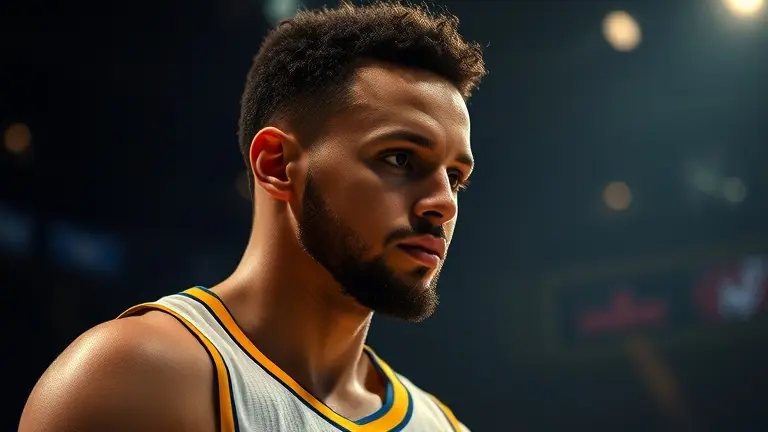
The landscape of the NBA shifted seismically on July 25-26, 2026, when the dream of a LeBron James-Stephen Curry pairing vanished, leaving the Golden State Warriors in a state of unprecedented strategic disarray. While the media narrative fixates on the ‘what-if’ of a missed superstar acquisition, the true story lies in the profound silence coming from the Warriors’ front office and the growing, palpable rift between them and the franchise’s greatest icon. Reports indicate that Stephen Curry is no longer aligned with the team’s current trajectory, leading to intense speculation regarding his refusal to sign a contract extension and the potential end of the Bay Area dynasty.
As fans grapple with the anxiety of a crumbling era, the challenge extends beyond roster construction; it is about institutional trust. When a generational athlete like Curry finds himself at odds with a management team unable to navigate the post-LeBron reality, the implications for the franchise’s future are dire. The question is no longer just about who replaces a secondary star, but whether the infrastructure in Golden State can sustain the brilliance of a player who deserves a championship-caliber send-off.
The Golden State Crossroads: Decoding the July 2026 Shift
The NBA landscape underwent a seismic transformation on July 25-26, 2026, when LeBron James officially bypassed the Golden State Warriors to join the Philadelphia 76ers. This maneuver has triggered profound ripples in the Bay Area, signaling a potential fracture between the organization and its legendary centerpiece, Stephen Curry. While the front office viewed the pursuit of James as an aggressive play to maximize Curry’s championship window, the failed recruitment has left the franchise exposed. Reports from The Athletic indicate that the misalignment between management’s tactical failures and Steph Curry’s championship expectations has reached a critical juncture, casting serious doubt on his long-term future in the Bay.
Friction and the Stalled Extension
The primary source of current tension stems from the stalling of contract extension negotiations, which were once assumed to be a formality. Evidence suggests that Curry is deeply dissatisfied with the franchise’s inability to provide him with a legitimate “co-star” capable of navigating the current Western Conference. This professional disconnect has shifted the narrative from “Warriors dynasty” to “impending rebuild,” creating a unique set of pressures for ownership:
- Strategic Miscalculation: The front office’s inability to close high-profile targets has eroded the trust required for a franchise cornerstone to commit to a multi-year extension.
- Legacy Management: Stephen Curry appears unwilling to spend his final elite years in a state of purgatory, leading to speculation that a trade demand could be on the horizon if the roster remains stagnant.
- Financial Flexibility: The decision to avoid a “super team” configuration, while fiscally responsible, has clearly conflicted with the competitive mandates demanded by their superstar.
As the Warriors transition into the late summer, the primary question is whether the current roster possesses the tactical depth to compete without another marquee acquisition. Without a clear path toward title contention, the organization risks alienating its most valuable asset, potentially ending an era defined by brilliance and loyalty.
Legacy at Risk: Can the Warriors Rebuild Around Their Icon?
The organizational friction between Stephen Curry and the Golden State Warriors front office has reached a critical inflection point following the team’s inability to secure a secondary superstar. With LeBron James opting for Philadelphia, the Warriors find themselves in a precarious strategic position. Evidence suggests that the franchise’s inability to capitalize on Curry’s remaining prime years has created an internal disconnect, fueling speculation about whether the greatest player in team history remains fully committed to a roster that currently lacks championship-caliber depth. The pressure on the front office is no longer just about managing the salary cap; it is about preserving the legacy of an icon who demands a competitive environment.
Strategic Challenges Facing the Front Office
The current Warriors roster faces significant hurdles in a hyper-competitive Western Conference. Without a clear path to adding high-level talent, the team must decide whether to pivot toward an aggressive, high-risk rebuild or attempt a stop-gap strategy that may waste the final elite years of stephen curry. Key concerns for fans and analysts alike include:
- Roster Stagnation: The lack of a secondary scoring threat places an unsustainable burden on Curry, shortening his effective window.
- Contract Negotiations: The reported delay in a long-term extension suggests a fundamental misalignment between Curry’s desire to win and the franchise’s current trajectory.
- Historical Precedent: Comparisons to legendary stars like Kobe Bryant or Dirk Nowitzki highlight that elite talents often force a franchise exit if they perceive a failure in organizational commitment.
Ultimately, the Warriors must reconcile their “win-now” reputation with a roster that increasingly looks like a transitional group. If the front office cannot present a concrete plan to modernize the lineup, they risk more than just a losing season—they risk alienating the face of their franchise during his final act in the NBA. Whether Curry decides to stay or pursue a title elsewhere, the clock is undoubtedly ticking on this storied era.
The Strategic Impasse: Financial Hurdles and Franchise Direction

The current standoff between Stephen Curry and the Golden State Warriors front office is more than just a reaction to the failed pursuit of LeBron James; it is a fundamental clash over the franchise’s long-term competitive viability. Evidence suggests that the Warriors are constrained by a rigid salary cap structure that has prevented the necessary aggressive moves required to keep the team in title contention. With Curry seeking a final championship window, the organization’s inability to secure secondary star talent has created a tangible sense of frustration, leading to valid concerns regarding his potential refusal to sign a contract extension.
Structural Limitations and Roster Misalignment
The Warriors’ fiscal strategy, often characterized by heavy reliance on expensive veteran salaries and high luxury tax thresholds, has reached a point of diminishing returns. The front office faces significant pressure to balance long-term financial health with the immediate needs of a generational superstar. Strategic analysts point to several critical issues hindering the team’s current trajectory:
- Salary Cap Rigidity: The team’s bloated payroll leaves little room for maneuverability, making it difficult to acquire impact players without dismantling the existing core.
- Failed Succession Planning: A disconnect between the development of younger prospects and the win-now demands of Curry has resulted in a roster that lacks cohesive direction.
- Legacy Preservation vs. Rebuilding: The Warriors are caught between honoring the dynasty era and the reality that the roster no longer possesses the depth required to compete against the elite teams in the Western Conference.
Ultimately, stephen curry is evaluating whether the franchise can evolve beyond its past successes. If the front office cannot provide a clear roadmap that includes tangible roster upgrades, the impasse will likely force a difficult conversation about his future in the Bay Area. For Curry, legacy is measured by competitiveness, and the current strategic direction of the Warriors appears increasingly at odds with that objective.
A Change of Pace: The Azzi Fudd Challenge and the Need for a Spark

Amidst the heavy, often suffocating atmosphere surrounding the Golden State Warriors’ front office and the fallout from the failed pursuit of LeBron James, a refreshing narrative has emerged. WNBA standout Azzi Fudd has issued a public challenge to Stephen Curry for a high-stakes 3-point shootout. While on the surface this appears to be a lighthearted social media interaction, analysts suggest it serves as a necessary meta-commentary on the current state of the four-time NBA champion. As Curry grapples with the organizational disconnect that has left him questioning the franchise’s direction, the prospect of a competition rooted in pure skill—stripped of trade rumors and contract extension anxiety—offers a glimpse into what the future Hall of Famer truly values: the competitive joy that initially defined his career.
This pivot toward exhibition-style challenges reflects a broader, more existential need for a spark. The contrast between the rigid, often dysfunctional administrative climate in the Bay Area and the organic, high-energy environment of the professional basketball community highlights the friction currently facing the organization. For Steph Curry, engaging with peers like Fudd provides a release from the mounting pressure of his legacy in Golden State. Key observations regarding this shift include:
- Reclaiming the Narrative: By shifting focus toward the court and away from the boardroom, Curry attempts to reclaim agency over his public image.
- The Pursuit of Joy: Curry’s willingness to participate in such challenges indicates a desire to prioritize the “love of the game” as the Warriors struggle to assemble a roster capable of competing with Philadelphia’s newly formed super-team.
- A Lens into Frustration: The intensity of the fans’ reaction to this challenge underscores their collective anxiety regarding the potential end of the Warriors dynasty and the increasing likelihood that the star guard may seek a new, more competitive environment.
Ultimately, while the Warriors front office attempts to navigate the fallout of the 2026 free agency cycle, Stephen Curry remains a player seeking alignment. Whether he finds that alignment within the Chase Center or elsewhere remains the central question of the off-season. Until then, these competitive exhibition moments act as a vital distraction from the administrative turmoil that threatens to define his final seasons.
Navigating the Complexity of a Changing Dynasty
The uncertainty surrounding Stephen Curry’s future forces us to look past the surface-level drama and into the cold, strategic reality of sports management. Just as Curry must deploy elite mental processing to navigate his career trajectory amidst this organizational turmoil, those of us analyzing the business of sports need our own competitive edge to cut through the noise of media speculation and identify the genuine shifts in the NBA hierarchy.
Maintaining the mental clarity required to parse through these high-stakes scenarios is the ultimate advantage. This is where The Brain Song becomes essential; it is a cognitive optimizer designed for the high-information consumer who demands deep, analytical insights rather than reactionary headlines. By integrating The Brain Song into your daily routine, you gain the precise mental focus needed to process complex information, ensuring you remain as sharp as the stars you analyze.
Don’t let the fog of sports media cloud your judgment. Elevate your analytical game and stay ahead of the narrative. It is time to sharpen your perspective and engage with the facts with unparalleled mental clarity.
 Sharpen your perspective and stay ahead of the game: integrate The Brain Song into your daily routine to maintain the mental clarity needed for expert-level sports analysis.Yes, I Want This Competitive Edge!