
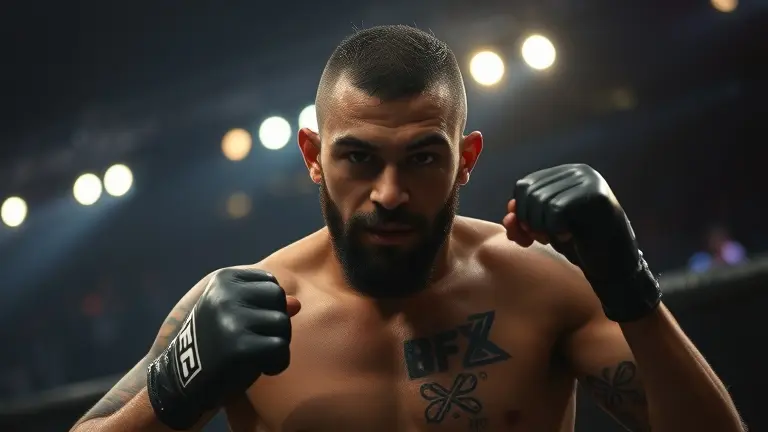
The Octagon is often described as the theater of human endurance, but the recent heavyweight clash between Tyrell Fortune and Rizvan Kuniev at UFC Fight Night 282 has cast a dark shadow over the sport’s fundamental safety protocols. When Fortune reportedly signaled a debilitating rib injury to his corner between rounds, the silence—or worse, the encouragement to continue—from those tasked with his protection sparked a fierce debate. Watching a fighter return to the cage with a compromised torso, only to be systematically dismantled by Kuniev, was more than just a tactical loss; it was a stark reminder of the fragile line between competitive spirit and catastrophic negligence.
This incident transcends the outcome of a single UFC bout, forcing the MMA community to confront the uncomfortable reality of ‘corner responsibility.’ In a sport where split-second decisions dictate long-term physical consequences, the duty to protect a fighter from themselves is paramount. By analyzing the breakdown in communication and the ethics of injury management, we must ask: at what point does the pursuit of victory surrender to the necessity of preservation? True toughness shouldn’t be defined by how much damage a fighter can absorb, but by the standards we set to keep them whole.
The Tyrell Fortune vs. Rizvan Kuniev Controversy: A Breakdown of UFC Abu Dhabi

The main card showdown between Tyrell Fortune and Rizvan Kuniev at UFC Fight Night 282 in Abu Dhabi quickly evolved from a highly anticipated heavyweight clash into a focal point for intense debate regarding fighter safety. From the opening bell, Kuniev applied significant pressure, utilizing superior volume and striking accuracy to dictate the pace of the contest. While Fortune attempted to maintain his composure and find a tactical opening, the momentum clearly favored Kuniev as the rounds progressed, culminating in a dominant performance that underscored his legitimacy as a surging contender in the heavyweight division.
The controversy arose during the pivotal intermission between the second and third rounds. As Fortune returned to his corner, audio and video evidence confirmed that he explicitly informed his team of a potential rib injury. Despite this disclosure, the corner elected to send the fighter back into the Octagon for the final frame. This decision-making process has drawn widespread scrutiny from the MMA community, as it placed an already compromised athlete at a heightened risk of significant physical trauma.
Key factors contributing to the post-fight discourse include:
- Corner Accountability: The ethical obligation of coaches to protect a fighter’s long-term health over immediate competitive goals.
- Injury Disclosure Protocols: The standard operating procedures for cornermen when a fighter reports a debilitating injury during the short rest period.
- Referees and Oversight: The role of the cageside physician and the referee in intervening when a fighter’s mobility or structural integrity is visibly or verbally compromised.
The fight ultimately ended in the third round via TKO, as Kuniev capitalized on Fortune’s lack of defensive mobility to secure the finish. By the time the referee intervened, the damage had been sustained, leaving spectators and pundits alike questioning the decision to let the fight proceed into the final round after the injury was known. This incident now serves as a case study for evaluating the balance between the “warrior spirit” of MMA and the necessary protective oversight required in professional combat sports.
The Duty of Care: Corner Ethics and Fighter Safety Protocols

The recent TKO victory secured by Rizvan Kuniev over Tyrell Fortune at UFC Abu Dhabi has ignited a fierce debate regarding the boundaries of corner responsibility in professional MMA. When a fighter reports a significant injury—such as a suspected rib fracture—the primary objective of the coaching staff must shift from tactical strategy to immediate athlete protection. Medical experts in combat sports emphasize that a corner’s “duty of care” supersedes the competitive desire for a comeback. By allowing Fortune to return to the cage after admitting to a physical impairment, the corner team bypassed standard operating procedures that typically prioritize the long-term health of the competitor over the outcome of a single round.
Standard Operating Procedures and Ethical Thresholds
In high-level MMA, standard operating procedures dictate that a corner must conduct a rapid, honest assessment when an injury is reported. If a fighter is compromised, the responsibility lies with the coach to stop the contest, as the athlete is often too driven by adrenaline or competitive spirit to make an objective decision. The situation involving Fortune and Kuniev serves as a stark reminder of the risks inherent in heavyweight bouts, where a single strike to a compromised area can lead to catastrophic, preventable trauma.
To ensure fighter safety, experts suggest that corners should adhere to the following protocols:
- Immediate Triage: If a major injury is reported, the corner must consult with the cageside physician rather than attempting to “coach through” the pain.
- Risk vs. Reward Calculus: Corners must objectively determine if the fighter can effectively defend themselves; if not, the towel must be thrown.
- Psychological Buffer: Coaches must act as a filter for the fighter’s emotional output, acknowledging that an athlete’s natural instinct is to continue despite severe harm.
Ultimately, the goal is to balance the warrior spirit of fighters like Tyrell Fortune with the rigorous safety standards required in modern mixed martial arts. When a corner fails to intervene, they are not only risking the immediate career of the athlete but are also failing in their fundamental responsibility as stewards of the sport’s integrity.
When Should the Towel Be Thrown? Analyzing the ‘No-Quit’ Culture
The recent TKO victory secured by Rizvan Kuniev over Tyrell Fortune at UFC Abu Dhabi has reignited a volatile debate regarding the “no-quit” culture ingrained in mixed martial arts. When a fighter reports a significant injury—in this case, a suspected rib ailment—the primary duty of care shifts instantly from the athlete to the corner. By allowing Tyrell Fortune to return to the cage for the third round, his coaching staff inadvertently prioritized a potential comeback over long-term physical preservation. This decision highlights a systemic issue where the cultural pressure to embody a “warrior mentality” often overshadows the objective medical necessity of protecting an athlete from avoidable, catastrophic trauma.
The Ethics of Corner Responsibility
The divide between a “warrior” and a casualty is often thin, and the responsibility to bridge that gap rests entirely with the corner. Evaluating the decision-making process at UFC Fight Night 282, experts suggest several critical failures in standard operating procedures:
- Medical Transparency: Corners must treat self-reported injuries as definitive rather than anecdotal. If a fighter mentions a rib break, the fight should be medically scrutinized immediately.
- The Fallacy of the ‘Lucky Punch’: Coaches often gamble on a fighter’s ability to land a finishing blow, ignoring the reality that compromised ribs significantly reduce defensive movement, leaving the fighter vulnerable to TKO finishes.
- Historical Context: Unlike the legendary decision of Mark Henry to stop the fight for Frankie Edgar, the failure to protect Fortune underscores a regression in corner accountability.
Ultimately, the sport must move toward a model where the corner acts as a fail-safe, not an enabler. When the objective, evidence-based data of an injury exists, the “no-quit” narrative becomes a liability that threatens the longevity of elite competitors like Fortune. Protecting the fighter is the only metric that should define a successful coaching performance.
Regulatory Oversight and the Path Forward for Fighter Safety

The concerning events surrounding the Tyrell Fortune versus Rizvan Kuniev bout at UFC Abu Dhabi have catalyzed an urgent debate regarding the efficacy of current medical oversight in professional mixed martial arts. When a fighter discloses a significant injury, such as a suspected rib fracture, the decision to continue competition currently rests primarily with the corner and the ringside physician. However, the reality of the sport often creates a conflict of interest where the competitive drive to win overshadows the immediate physical well-being of the athlete. Reliance on a fighter to self-report severity, or on a coach to objectively weigh the risks of further trauma, has proven to be an insufficient safety net in high-stakes heavyweight contests.
Enhancing Medical Protocols and Independent Oversight
To prevent future occurrences of avoidable injury, regulatory bodies and the UFC must shift toward more robust, objective safety protocols. Integrating independent medical experts—who are not affiliated with the fighter’s camp or the promotion’s direct interests—could provide a necessary layer of protection. Proposed improvements to the current standard operating procedures include:
- Mandatory Neutral Medical Audits: Implementing a formal, independent ringside physician whose sole mandate is to assess injury severity during breaks, stripping that authority from coaches who may be emotionally compromised or focused solely on victory.
- Audio-Visual Disclosure Logs: Requiring corner communication to be monitored by a third-party official who can flag medical complaints to the referee and commission immediately.
- Enhanced Triage Training: Standardizing the criteria for “stoppage-worthy” injuries that require immediate intervention, regardless of the athlete’s desire to proceed.
By removing the decision-making burden from the fighter and the corner, the sport can ensure that incidents like the TKO finish seen in this match are minimized. Protecting the long-term health of athletes is not merely an ethical imperative but a requirement for the continued growth and legitimacy of MMA on a global stage. The path forward must prioritize institutional accountability over the traditional “warrior culture” that has historically left fighters vulnerable to career-altering, preventable damage.
Beyond the Octagon: The Imperative of Cognitive Recovery
The controversy surrounding the Fortune-Kuniev fight is a wake-up call for the entire combat sports industry. While we focus heavily on immediate physical injuries like broken ribs, the hidden, long-term toll of high-impact trauma is frequently overlooked. Maintaining cognitive clarity and protecting neurological health after absorbing the concussive force of a heavyweight fight is not just a luxury; it is a fundamental requirement for anyone stepping into the cage. If a fighter’s sensory function and mental sharpness are compromised, their ability to defend themselves diminishes, increasing the risk of future trauma exponentially.
This is where proactive recovery protocols become the new standard for professional athletes. Audifort serves as an essential bridge in this process, specifically designed to support ear-related blood flow and help maintain the mental sharpness required after the extreme physical stressors of combat. By integrating Audifort into your post-fight or training recovery, you are prioritizing the long-term integrity of your neurological and sensory health, ensuring that your cognitive edge remains as sharp as your technical skills.
Protecting your future requires more than just training—it requires the right recovery tools to manage the aftereffects of high-impact trauma. Taking control of your sensory wellness today is the best investment you can make in your athletic longevity.
 Discover how Audifort is becoming a staple for athletes dedicated to maintaining peak cognitive health and sensory awareness.Protect My Cognitive Health Now!