
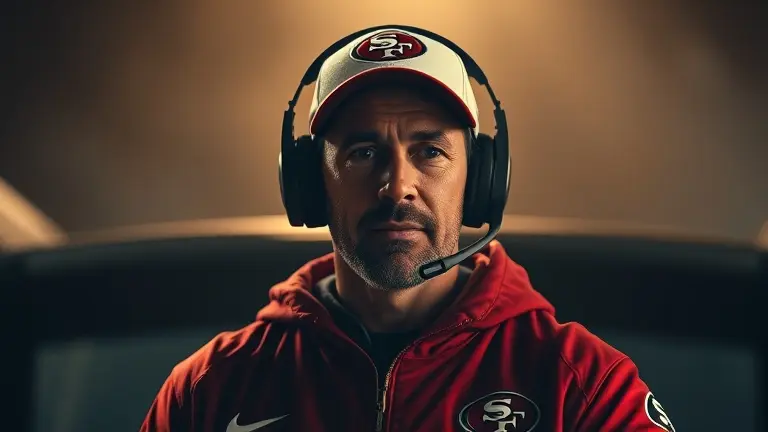
When news broke on July 25, 2026, regarding a serious car accident involving San Francisco 49ers head coach Kyle Shanahan, the NFL community held its collective breath. While the reports from Northern California confirmed the coach survived the July 14th incident, the physical toll—a broken nose, three broken ribs, a broken hand, and a concussion—is significant. As the team prepares for the critical start of training camp, the narrative has shifted from initial shock to a focused analysis on organizational resilience and the logistical challenges of managing a high-stakes franchise under these unexpected constraints.
For Kyle Shanahan, the path forward is as much about cognitive recovery as it is about physical healing. With a concussion forcing a limited role in the early stages of camp, the spotlight is now on how the 49ers’ coaching hierarchy will pivot to maintain continuity. Understanding the implications of this injury requires a look beyond the medical report; it demands an examination of how elite leaders, when faced with neurological strain, manage the cognitive load required to make split-second decisions on the gridiron.
Update on Kyle Shanahan: Details Regarding the July 2026 Incident
On July 14, 2026, San Francisco 49ers head coach Kyle Shanahan was involved in a serious car accident in Northern California. While news of the incident did not surface publicly until July 25—just days before the opening of the 2026 NFL training camp—the delay was reportedly intended to allow the coach and his family privacy while assessing the extent of his physical trauma. Official reports confirmed that while the injuries were significant, they are considered non-life-threatening, and Shanahan is expected to make a full recovery.
The medical assessment following the kyle shanahan car accident revealed a challenging path toward recovery. According to information released by team spokespeople and corroborated by outlets such as CBS Sports and NFL.com, the head coach sustained multiple fractures and head trauma, including:
- Three broken ribs, which significantly impact mobility and comfort during physical movement.
- A broken hand, necessitating a period of immobilization.
- A broken nose and substantial facial lacerations that reportedly required more than 40 stitches.
- A concussion, requiring strict adherence to medical protocols regarding cognitive rest and screen time.
Given the severity of these injuries, the 49ers organization has announced that Kyle Shanahan will operate in a limited capacity as training camp commences. The team is prioritizing his health and recovery, shifting internal responsibilities to his experienced coaching staff to ensure operations remain stable. By opting for a measured return rather than an immediate, full-time presence, the franchise aims to mitigate the risk of complications from his concussion and physical fractures. As the preseason progresses, the NFL community remains focused on his recovery timeline, with further updates expected through official team injury reports. The incident has understandably caused concern, but the proactive approach by the 49ers suggests a commitment to both the coach’s well-being and the upcoming competitive season.
Adapting the 49ers Coaching Structure for Training Camp
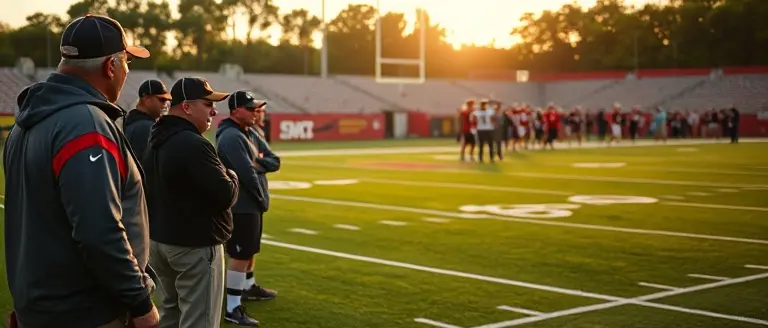
Following the kyle shanahan car accident that occurred on July 14, 2026, the San Francisco 49ers organization is implementing a structured contingency plan to ensure seamless operations as they open training camp. While kyle shanahan remains the team’s primary strategic leader, his recovery—necessitated by a concussion and multiple fractures—requires a temporary shift in the daily management of on-field activities. To mitigate the impact of his absence, the coaching staff is pivoting to a collaborative hierarchy that emphasizes continuity and preparation for the upcoming NFL season.
Strategic Delegation and Operational Continuity
The 49ers are leaning on their deep coaching bench to absorb the responsibilities typically handled by the head coach. By distributing duties among senior assistants and coordinators, the team aims to keep the installation of the offensive playbook on schedule despite the injuries sustained in the kyle shanahan accident.
Key adjustments to the team’s training camp workflow include:
- Enhanced Coordinator Roles: Offensive and defensive coordinators are assuming greater autonomy during practice sessions, allowing for real-time adjustments without requiring immediate sign-off from the head coach.
- Administrative Oversight: The front office, led by General Manager John Lynch, is coordinating closely with the medical staff to monitor Shanahan’s recovery timeline while maintaining the integrity of the team’s organizational culture.
- Remote Consultation: Shanahan is expected to contribute to game-planning and film study remotely, providing his signature tactical input while his physical presence on the field remains restricted.
The focus of the 49ers coaching staff is to maintain a high-intensity environment, ensuring that the players are conditioned and mentally sharp. Because the team has a well-established system, the transition is expected to be relatively smooth. The primary goal remains protecting Shanahan’s recovery process while ensuring that the transition from training camp to the preseason does not suffer from any loss of competitive focus or strategic rigor.
Projected Recovery Timeline and Preseason Status
Following the kyle shanahan car accident on July 14, 2026, the San Francisco 49ers have prioritized a measured approach to their head coach’s return. Medical experts note that while his injuries—including a broken nose, three broken ribs, and a fractured hand—are non-life-threatening, they involve significant physical limitations. Rib fractures typically require four to six weeks for initial stabilization, while a concussion necessitates strict adherence to the NFL concussion protocol. This clinical framework mandates a phased return-to-participation, restricting high-intensity cognitive and physical activity until the coach is asymptomatic. Given the severity of the trauma, which reportedly required more than 40 stitches, the medical staff is likely emphasizing a conservative timeline to ensure no setbacks occur during the rigors of an NFL training camp.
Managing Coaching Operations During Recovery
To maintain continuity, the 49ers are adjusting their internal hierarchy to account for Shanahan’s limited status. Because the head coach’s role involves high-stress decision-making and frequent travel, the organization is expected to lean heavily on assistant coaches and coordinators to handle on-field drills and tactical adjustments during the initial weeks. The focus will remain on:
- Phased Integration: Shanahan is expected to monitor practices remotely or from a booth before transitioning to full sideline participation.
- Staff Empowerment: Defensive and offensive coordinators will take on increased responsibility during team meetings and installation periods.
- Medical Oversight: Daily injury reports will dictate his involvement level, ensuring he does not push through cognitive fatigue during his recovery.
Evidence suggests that the team will prioritize long-term health, ensuring that Shanahan is fully recovered for the start of the regular season rather than rushing him back for early-stage camp drills. By delegating tactical execution, the 49ers aim to minimize the disruption caused by this unexpected event while keeping their primary play-caller’s long-term health as the cornerstone of their organizational strategy.
Monitoring Shanahan’s Return to Full Duties
As the San Francisco 49ers navigate the aftermath of the kyle shanahan car accident, the organization has established a transparent protocol for sharing medical updates. Given the severity of the incident—which included a concussion, three broken ribs, a broken hand, and a broken nose—the team’s medical staff is prioritizing a cautious, phased return-to-work plan. Fans and stakeholders are strongly encouraged to rely exclusively on official injury reports disseminated through the 49ers’ public relations department rather than speculative reports surfacing on social media. Consistent with NFL privacy policies, the team will issue periodic briefings that detail his physical progress, recovery milestones, and his increasing capacity to participate in high-intensity coaching environments.
Evaluating Readiness and Coaching Adaptations
The path toward a full return to sideline duties before the regular season kickoff will be governed by objective medical evaluations. The coaching hierarchy is currently being adjusted to ensure that offensive strategy and player development remain unaffected by the kyle shanahan accident. Key factors determining his full-time return include:
- Concussion Protocol Compliance: Adherence to league-mandated neurological benchmarks to ensure cognitive function for high-stakes decision-making.
- Physical Rehabilitation Milestones: Assessing his ability to handle the physical demands of long hours on the field, particularly given the orthopedic injuries to his ribs and hand.
- Graduated Responsibilities: A phased approach where he transitions from remote film review and strategy sessions to on-field oversight as his recovery permits.
The 49ers remain committed to protecting the long-term health of their head coach while maintaining a “next man up” mentality regarding organizational operations. By monitoring the official team communication channels, supporters can track the precise status of his rehabilitation. The goal remains for Shanahan to resume full operational control once he is medically cleared, ensuring that the 49ers remain competitive as they head into the 2026 season.
Prioritizing Cognitive Restoration for Peak Performance
The uncertainty surrounding Kyle Shanahan’s recovery timeline serves as a stark reminder of the fragile nature of high-performance environments. While the 49ers coaching staff is well-equipped to manage the tactical demands of training camp in his limited absence, the focus remains on the coach’s long-term neurological health. Managing high-pressure duties following a concussion requires more than mere rest; it requires an intentional approach to cognitive restoration to overcome mental fog and ensure sharp, precise decision-making upon his full return.
In the world of elite sports, physical injuries are only half the battle. Just as coaches employ specialized training for the body, they must now prioritize science-backed strategies for the brain. This is where The Brain Song becomes an essential tool for those operating under intense recovery constraints. By enhancing cognitive focus and naturally supporting BDNF production, this protocol offers a professional-grade approach to maintaining mental clarity, serving as a critical ally for anyone—from head coaches to high-achieving professionals—navigating the stress of neurological recovery.
Taking a proactive stance on brain health is no longer optional; it is the standard for maintaining an edge. Whether you are recovering from a setback or simply aiming to optimize your daily focus, integrating advanced cognitive support is the natural next step in your performance journey. See how others are regaining their mental sharpness through a simple, science-backed routine designed for those who cannot afford to compromise on their decision-making capacity.
 Discover the 12-minute daily routine that is helping professionals regain mental clarity and sustained focus.Yes, I Want This Now!