
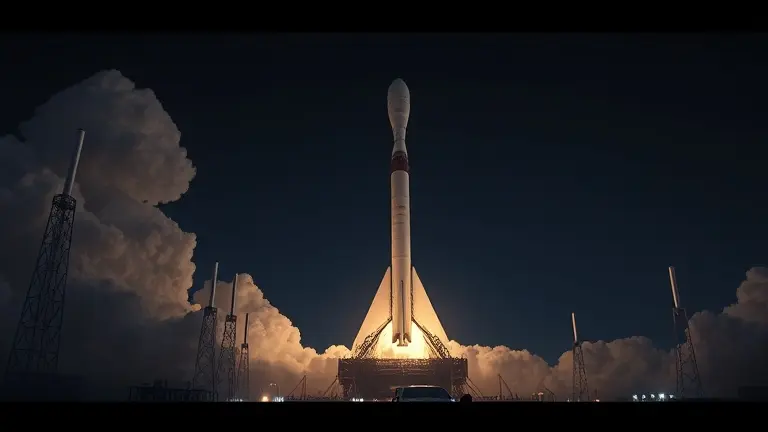
The dust has finally settled at Starbase following the pivotal July 24th launch of SpaceX’s Starship Flight 13. While global headlines fixated on the visible spectacle of the launch, the reality for shareholders and industry analysts is far more nuanced. As the first major flight test following the company’s high-profile IPO last month, Flight 13 served as a high-stakes stress test not just for the Starship Version 3 (V3) architecture, but for the credibility of the firm’s post-public valuation. With mission parameters centered on refining critical orbital capabilities, the technical performance—and the persistent hurdles regarding booster re-lighting—now dictate the near-term narrative for SpaceX in the public markets.
Moving beyond the superficial excitement of a successful countdown, we must dissect what this mission truly signifies for the future of orbital transport. By comparing the V3 prototype’s progression against previous benchmarks, we gain a clearer view of the technical trajectory required for long-term commercial viability. For the serious investor, understanding these complex engineering milestones is no longer optional; it is the fundamental requirement for navigating the next phase of the aerospace industry’s most significant market transformation.
Starship Flight 13: Analyzing the First Major Test Under Public Ownership
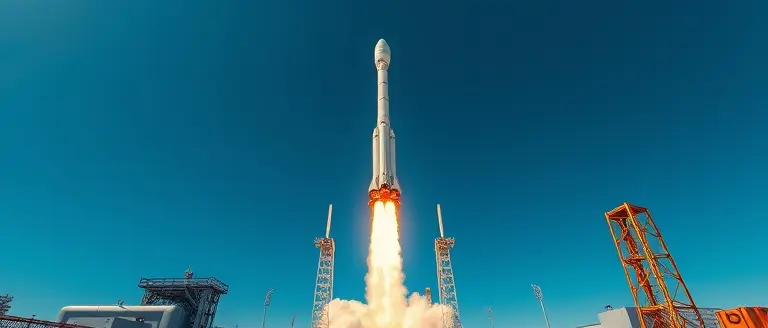
The successful liftoff of Starship Flight 13 on July 24, 2026, represented far more than a typical SpaceX launch; it marked a pivotal transition in the company’s history. After enduring multiple weather-related delays earlier in the week, the mission finally cleared the pad, serving as the first high-stakes performance test since the company’s Initial Public Offering (IPO) last month. For investors, this mission was the first real-time assessment of whether the aerospace giant could maintain its aggressive pace of innovation under the scrutiny of public equity markets. The transition from private, high-risk experimentation to public accountability requires a new level of operational transparency, where every flight milestone directly influences shareholder confidence and the long-term stock narrative.
Defining Success in the Post-IPO Era
The primary objective for this mission was to demonstrate the reliability of the Starship Version 3 (V3) architecture while successfully deploying a new batch of advanced Starlink satellites. By integrating commercial payload delivery into a critical flight test, SpaceX signaled to Wall Street that its research and development programs are increasingly capable of supporting revenue-generating services. Key indicators of this mission’s impact include:
- Operational Maturity: The transition from V2 to V3 reflects a faster iterative cycle, critical for maintaining the company’s valuation.
- Commercial Integration: Carrying Starlink hardware validates the dual-purpose nature of the Starship project, balancing long-term exploration goals with immediate infrastructure needs.
- Market Accountability: Moving forward, the success of each Space X launch will be viewed through the lens of cost-efficiency and risk mitigation, shifting the focus from “what is possible” to “what is repeatable.”
While the mission achieved major milestones, the ongoing technical hurdles—particularly regarding booster engine re-ignition—remain a primary point of discussion. For shareholders, these challenges underscore the reality that while the Starship launch trajectory is ambitious, the path toward full reusability is a complex, data-driven endeavor that demands ongoing capital investment and technical patience.
The Booster Re-lighting Hurdle: What Investors Need to Know
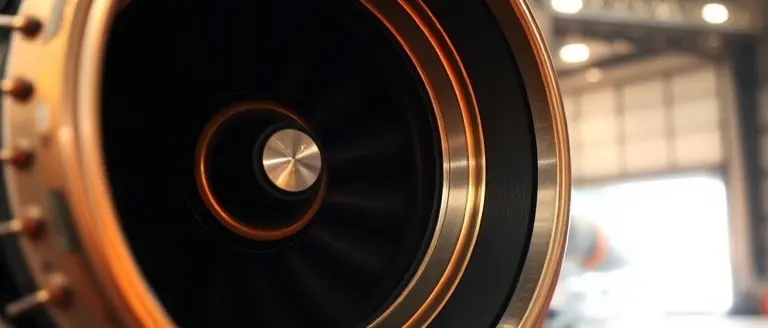
During the recent Starship Flight 13 mission, the SpaceX engineering team encountered continued technical hurdles regarding the booster’s re-lighting sequence. For institutional investors, understanding this challenge is vital, as it represents the single most significant barrier to the company’s promise of rapid, full reusability. In simple terms, after the Super Heavy booster separates from the upper stage, it must perform a complex “boost-back” and landing burn. This requires the engines to successfully re-ignite after being dormant in the vacuum of space. If the engines fail to restart, the multi-billion dollar hardware is lost, directly impacting the operational efficiency and long-term profitability projections presented to shareholders during the recent IPO.
Why Re-lighting Defines Profitability
The economic model of space x launch operations hinges on the rapid turnaround of hardware. If a booster cannot reliably re-light, the company cannot achieve the high-frequency flight cadence necessary to justify its current market valuation. Key investor takeaways regarding this hurdle include:
- Cost-Reduction Projections: Every lost booster represents a massive capital expenditure. Solving the re-lighting issue is the primary driver in reducing the cost per flight, which is the cornerstone of SpaceX’s business model.
- Operational Scalability: True reusability means treating a rocket like an airplane. Frequent failures during the re-ignition phase create an “operational ceiling” that limits how often they can perform a spacex launch.
- Technical Risk Profile: While the Starship V3 architecture has demonstrated significant improvements in aerodynamic stability and heat shield durability, the propulsion reliability remains a focal point for risk assessment.
Evidence suggests that while the starship launch achieved many of its primary flight objectives, the inability to consistently execute the landing burn signifies that the transition from a prototype phase to a commercial logistics powerhouse is still ongoing. Investors should monitor how SpaceX iterates on its engine ignition hardware in the coming months, as this will be the most accurate indicator of whether the company can meet its aggressive, post-IPO profit milestones.
V3 vs. V2: Mapping the Trajectory of Innovation
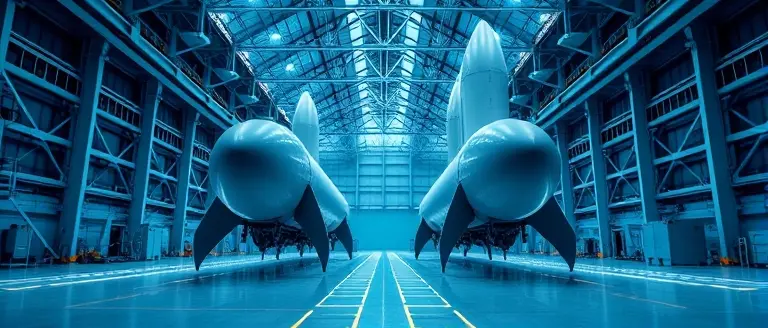
The transition from the V2 to the V3 architecture marks a pivotal evolution in the SpaceX development cycle. While V2 served as the critical bridge for proving launch-to-orbit capabilities, the V3 prototype represents the company’s shift toward operational maturity and payload efficiency. For investors and stakeholders watching the starship launch trajectory, the V3 design introduces refinements that directly impact the bottom line. By optimizing the structural mass-to-thrust ratio and enhancing the thermal protection system, SpaceX is signaling a move away from the high-risk experimental phase toward a predictable, high-cadence launch model.
Key Technical Advancements in the V3 Architecture
The iterative improvements seen in the starship flight 13 mission demonstrate a clear path toward long-term viability. Compared to its predecessor, the V3 variant highlights significant leaps in engineering:
- Propulsion Upgrades: While V2 focused on proving the Raptor engine’s basic operational limits, V3 utilizes advanced cooling channels and nozzle geometry to address the persistent technical hurdles seen in previous cycles.
- Thermal Protection System (TPS): Enhanced tile anchoring systems provide better durability during atmospheric re-entry, a direct response to the heat-shield degradation noted in early V2 flights.
- Payload Capacity: The optimized V3 structure maximizes internal volume, allowing for a higher density of Starlink satellites, which is essential for scaling the company’s space-based internet revenue.
This evolution is not merely academic; it is a demonstration of the company’s “technological velocity.” As SpaceX transitions into a publicly traded entity, the ability to rapidly iterate—turning the “failed” re-lighting sequences of previous flights into actionable data—builds a narrative of reliability. By refining the booster re-ignition process in the V3 architecture, the company is systematically closing the gap between prototype testing and cost-effective commercial reusability, a metric that institutional investors are monitoring closely as the firm charts its post-IPO growth strategy.
Post-IPO Market Sentiments: Evaluating SpaceX’s New Strategic Reality

The successful execution of the SpaceX Flight 13 mission serves as the first major benchmark for shareholders following the company’s high-profile IPO. While retail and institutional investors previously tolerated the company’s iterative ‘test-fail-fix’ philosophy, the current fiscal environment demands a more balanced narrative between aggressive innovation and reliable revenue generation. The Starship V3 prototype’s ability to deploy advanced Starlink satellites during this test flight is a critical signal to the market; it demonstrates that despite the experimental nature of the architecture, the hardware is capable of performing immediate, value-generating work.
Balancing Innovation with Quarterly Expectations
The intersection of the Starship launch timeline and quarterly financial reporting creates a unique tension for investors. The market is currently evaluating whether SpaceX can maintain its rapid development pace without compromising the consistency required for publicly traded entities. Key considerations for shareholders include:
- Revenue Maturity: The successful payload deployment validates that space x launch services are evolving from purely R&D exercises into a robust, recurring revenue stream.
- Technical Resilience: Investors are closely monitoring the ‘re-lighting’ challenges. While technical hurdles are expected in aerospace, Wall Street analysts are increasingly focused on how these bottlenecks impact the long-term cost-per-kilogram-to-orbit projections.
- Capital Efficiency: The shift toward V3 architecture implies a refinement in manufacturing, suggesting that the company is moving toward economies of scale that could significantly improve operating margins in future fiscal quarters.
Ultimately, the sentiment surrounding SpaceX stock remains cautiously optimistic. The mission on July 24, 2026, proved that the company can achieve mission-critical milestones even amidst technical volatility. For the broader market, the successful deployment of satellites during starship flight 13 provides tangible evidence that SpaceX can bridge the gap between speculative space exploration and profitable orbital logistics. Moving forward, the company must continue to de-risk its booster engine technology to ensure that public-market scrutiny does not stifle the ambitious, high-speed development culture that originally defined its success.
Sharpening Your Edge for the Next Frontier
Flight 13 was never just about a successful ascent; it was a definitive indicator of the technical rigor SpaceX must maintain to satisfy its new legion of public shareholders. The ongoing challenges with booster re-lighting represent the classic ‘innovation friction’ that separates visionary engineering from market-ready scalability. By tracking these V3 architecture refinements, you are essentially monitoring the R&D heartbeat of the most important company in the modern economy. Yet, digesting this level of technical and financial complexity requires a level of mental clarity that few can sustain in the frantic digital landscape of today.
Just as SpaceX engineers require absolute precision to navigate the complex V3 architecture, processing the future of space-flight stocks requires your own cognitive systems to be firing on all cylinders. This is where The Brain Song becomes your most strategic asset. Designed as the ultimate productivity tool for the modern investor, it acts as the essential ‘software’ for your mind, ensuring your cognitive performance matches the sophistication of the hardware you are betting on. By eliminating mental fog and optimizing focus, you gain the clarity needed to synthesize dense market data, allowing you to cut through the noise and spot the signals that others inevitably miss.
We have reached a point where the speed of technological innovation demands a higher standard of intellectual preparedness. Do not let complexity stifle your investment potential. By sharpening your own focus, you transform from a passive observer into an informed participant who understands the weight of these engineering milestones. Give your analytical process the upgrade it deserves and prepare to master the volatility of the new space age with unwavering mental acuity.
 Master the complexities of the post-IPO landscape by sharpening your own focus—try the 12-minute daily routine that top analysts are using to stay ahead of the curve.Transform My Life Today