

If you have purchased eggs recently, your morning routine may have just become a health risk. In July 2026, a major voluntary recall initiated by Midwest Poultry Services, L.P. has shaken grocery aisles across the Southern and Southwestern United States, specifically impacting major retailers like Kroger and Brookshire’s. With concerns reaching a fever pitch due to potential Salmonella contamination, households from Texas to Oklahoma are scrambling to identify if their cartons are part of the reported 1.6 million dozen eggs affected. This isn’t just a logistical hiccup; it is a critical food safety alert that demands immediate attention.
Fragmented news coverage has left many consumers confused about how to safely verify their products. While retail chains are working to pull stock, the burden of safety often falls on the individual at home. In this guide, we provide a centralized checklist and clear, actionable steps to verify your lot codes, understand the scale of the eggs recall, and ensure your kitchen remains a safe environment. Don’t wait for a health scare to verify the status of the food already sitting in your refrigerator.
Midwest Poultry Services Egg Recall: July 2026 Overview

In late July 2026, a significant food safety alert was issued following a voluntary eggs recalled salmonella initiative launched by Midwest Poultry Services, L.P. The recall was triggered by the potential risk of Salmonella contamination, a serious health hazard that can lead to fever, diarrhea, and abdominal cramps. This precautionary measure is intended to protect consumers across the Southern and Southwestern United States, specifically impacting states including Texas, Oklahoma, and New Mexico. Retail giants, most notably Kroger, as well as regional chains like Brookshire’s, have been identified as primary points of distribution for the affected inventory.
It is essential for consumers to understand the scale of this eggs recall to avoid confusion. Official reports confirm that Midwest Poultry Services is voluntarily recalling 1,589,577 dozen eggs, which equates to the primary scope of the direct safety intervention. However, industry reporting and media coverage have highlighted that the total impact may reach approximately 19 million individual eggs across the regional supply chain. Distinguishing between these figures is critical; while 1.6 million dozen represents the verified batch affected by the initial safety hold, the broader total reflects the potential volume of products circulating within the impacted retail networks.
This egg recall July 2026 event underscores the necessity of proactive inventory checks within your household. If you have purchased eggs recently from affected retailers, you should immediately inspect your cartons against the specific lot codes provided by the manufacturer. Key takeaway points for consumers include:
- Geographical Impact: Primary concentration in the Southern and Southwestern U.S.
- Safety Priority: Immediate cessation of use for any eggs identified within the recalled lots.
- Retail Exposure: Extensive impact on Kroger salmonella egg recall protocols and regional grocers.
- Action Required: Verify packaging details against FDA-provided recall lists and return affected products to the point of purchase for a refund.
As public health officials continue their investigation, consumers are encouraged to monitor updates from the FDA and their local grocery stores to ensure their refrigerators are free of contaminated products.
Affected Retailers and States: Are Your Eggs on the List?
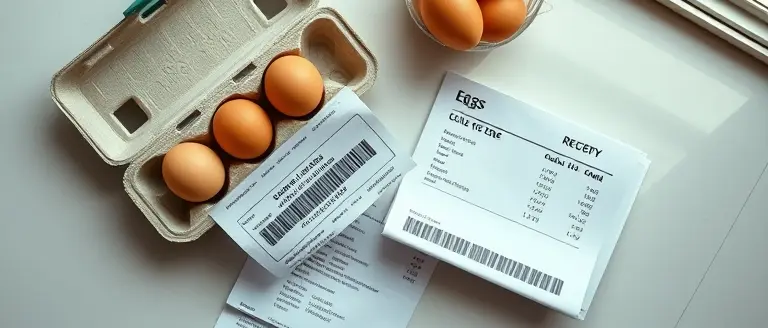
The egg recall July 2026 initiated by Midwest Poultry Services, L.P. has created widespread concern for consumers across the Southern and Southwestern United States. Because the eggs recalled salmonella risk is significant, retail distribution has been heavily impacted, particularly for shoppers at major chains. If you have purchased eggs recently, it is critical to verify your carton against the official recall list immediately.
Major Retailers and Geographic Reach
The distribution of the affected batches is concentrated in regions serviced by Midwest Poultry Services. The kroger salmonella egg recall represents the largest portion of this event, but other regional grocers have also been implicated. The following table identifies the primary areas of concern:
| Retailer / Partner | Primary States Affected |
| :— | :— |
| Kroger | Texas, Oklahoma, New Mexico |
| Brookshire’s | Texas, Louisiana |
| Independent Regional Grocers | Various Southwestern locations |
It is important to note that while 1.6 million dozen eggs are directly cited in the primary recall notice, aggregated reports suggest that up to 19 million individual eggs may be part of the broader safety investigation.
How to Verify Your Egg Cartons
To determine if your purchase is part of the eggs recall, you must inspect the physical carton. Do not rely solely on the brand name, as distribution channels vary by location.
- Locate the Lot Code: Look for the printed lot number and expiration date, typically found on the end or the side of the egg carton.
- Check the Plant Number: Many cartons feature a plant code (often starting with “P-“). Compare this number against the official FDA recall database or the store-specific lists published by your retailer.
- Verify the Expiration Date: Retailers are currently pulling specific batches based on production dates aligned with the contamination window.
If your carton matches a recalled lot code, do not consume the product. Instead, return the eggs to the place of purchase for a full refund or discard them safely according to local health department guidelines to prevent cross-contamination in your kitchen.
Immediate Safety Steps: What to Do With Recalled Eggs

If you suspect you have purchased eggs recalled for Salmonella during the July 2026 event, the most important rule is to stop using them immediately. Even if your eggs look, smell, or taste perfectly normal, they may still carry the bacteria. Salmonella is invisible to the naked eye, and consuming affected product—even after cooking—carries a significant risk of foodborne illness. If you have already consumed these eggs and feel unwell, consult a healthcare provider promptly.
How to Properly Dispose of or Return Affected Eggs
Once you have identified your purchase as part of the egg recall, you have two primary options: returning the product for a full refund or safely discarding it. Retailers like Kroger and other local grocers involved in the eggs recall are generally providing refunds upon presentation of the carton or a receipt. If you prefer to dispose of the eggs, follow these strict cross-contamination protocols to keep your kitchen environment safe:
- Double-Bagging: Place the affected cartons into a sealed plastic bag, then place that bag inside a second, opaque trash bag before putting it in an outdoor bin. This prevents pets or wildlife from accessing the contaminated eggs.
- Sanitization: Thoroughly wash any surface, utensil, or container that came into contact with the recalled eggs using hot, soapy water. Follow up with a sanitizer solution to kill any potential bacterial residue.
- Do Not Donate: Under no circumstances should you donate recalled eggs to food banks or community pantries.
Verifying Your Purchase
The egg recall July 2026 specifically highlights the need for careful inspection of your packaging. Check your carton against the official lot codes provided by the FDA or the retailer’s website. If you are unsure whether your specific carton is part of the Kroger Salmonella egg recall, treat it with caution and do not consume it. When in doubt, prioritize your health and dispose of the product rather than taking a risk with potential pathogen exposure. Always keep your refrigerator shelves clean and avoid cross-contact with other fresh produce or ingredients in your refrigerator.
Understanding Salmonella Risks and Symptoms

Salmonella is a group of bacteria that serves as a leading cause of foodborne illness in the United States. When consumers ingest products contaminated with this pathogen—such as the items involved in the recent eggs recalled Salmonella incident—they may experience acute gastrointestinal distress. The primary purpose of the egg recall July 2026 is to serve as a proactive public health measure. By removing these batches from supply chains, including major retailers like Kroger, officials aim to prevent the widespread contraction of salmonellosis before it reaches a critical health threshold.
Identifying Symptoms of Salmonella Infection
Symptoms typically manifest between six hours and six days after exposure to contaminated products. If you suspect you have consumed eggs from a recalled batch, monitor your health closely for the following indicators:
- Diarrhea: Often frequent and sometimes bloody.
- Abdominal Cramps: Ranging from mild discomfort to severe, localized pain.
- Fever: Often accompanied by chills.
- Nausea and Vomiting: Frequently associated with the onset of the infection.
- Headache: Persistent tension or throbbing sensations.
While many healthy individuals recover from Salmonella infections within four to seven days without specific treatment, the risks are higher for vulnerable populations, including young children, the elderly, and those with weakened immune systems.
When to Seek Professional Medical Care
You should seek immediate medical attention if you experience severe symptoms, such as high fevers exceeding 102°F, stools containing visible blood, or prolonged vomiting that prevents the intake of liquids. Dehydration is a significant concern during a Salmonella infection, so maintaining fluid intake is essential. If you have consumed eggs involved in the eggs recall and develop any of these symptoms, contact your primary care provider or visit an urgent care facility, informing them of your potential exposure to the recalled lot codes. Prompt communication with healthcare professionals is vital for ensuring you receive appropriate supportive care and for public health tracking purposes.
Take Control of Your Family’s Biological Defenses
Staying informed about food safety alerts is the first step in protecting your household, but true wellness extends beyond simply checking expiration dates and lot codes. When we face potential exposure to pathogens like Salmonella, our internal systems—specifically our oral and digestive microbiomes—often bear the brunt of the challenge. Managing your physical environment is critical, but fortifying your internal “biological shield” is what truly keeps you resilient during times of uncertainty.
While you are auditing your refrigerator and removing potentially contaminated goods, it is the perfect time to think about long-term systemic health. ProDentim offers a specialized approach to microbiome health, helping to restore balance and strengthen your body’s natural defense against harmful invaders. By proactively managing your internal microbial flora, you aren’t just reacting to a recall; you are building a foundation of resilience that supports your overall wellness regardless of external food safety fluctuations.
Choosing to support your microbiome is the natural next step for anyone concerned about the impact of foodborne pathogens. Don’t leave your internal health to chance when you can take proactive control starting today.
 Build your internal shield today—discover how a balanced oral microbiome supports your overall health and wellness.Protect My Microbiome Now!