
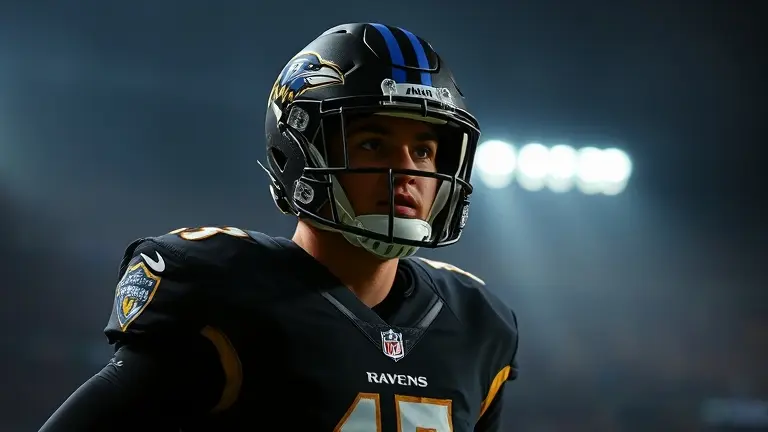
The abrupt departure of Diego Pavia from the Baltimore Ravens roster, mere days before the 2026 training camp, has sent shockwaves through the NFL landscape. Once heralded as a Heisman Trophy finalist whose unconventional play style captivated audiences, Pavia’s sudden release as an undrafted free agent highlights the brutal, cutthroat reality of professional football. Analysts are now scrambling to reconcile his undeniable collegiate success with the systemic barriers that often sideline ‘outsized personality’ quarterbacks in the NFL’s rigid developmental pipeline.
This isn’t just another story of a roster shuffle; it is an analytical look at the precise intersection of talent and professional viability. As speculation mounts regarding whether Pavia will pivot to a collegiate coaching role or pursue other ventures, the focus shifts to a broader question: what defines the ‘next step’ for an athlete whose professional identity is in immediate flux? We examine the technical hurdles facing rookie quarterbacks today and why the mental fortitude required to manage such a public transition is, perhaps, the most overlooked component of an elite career.
,slug:
The Sudden Release: Diego Pavia and the Baltimore Ravens
The professional journey of Diego Pavia hit an abrupt, unexpected detour in late July 2026 when the Baltimore Ravens officially waived the former Vanderbilt standout. The transaction, executed just days before the scheduled commencement of training camp, sent shockwaves through the league and among fans who had closely followed his transition from a prolific collegiate playmaker to an undrafted free agent trying to secure a spot on an NFL roster. While the Ravens have kept specific internal evaluations private, the timing of the release—right as teams solidify their depth charts—indicates a shift in the organization’s strategic approach to its backup quarterback room.
Analyzing the Roster Shift
The sudden nature of this move highlights the precarious reality for many players navigating the NFL developmental pipeline. For Diego Pavia, whose collegiate career was defined by high-impact performances and an “outsized personality,” the adjustment to professional-level expectations involves significant tactical hurdles. Several key factors likely contributed to the decision-making process within the Ravens’ front office:
- Systemic Compatibility: NFL coaching staffs often require a rigid adherence to specific offensive schemas that may differ from the improvised, high-mobility style that made Pavia a sensation at the university level.
- Depth Chart Logjam: Baltimore maintains a highly specialized offensive system, and competition for third-string or practice squad positions is notoriously fierce, leaving little room for error during rookie minicamps and OTA sessions.
- Performance Metrics: While his talent is undeniable, the transition from college to the pros requires consistent, error-free execution that scouts analyze under a microscope during the weeks leading up to camp.
Currently, Diego Pavia remains a free agent, effectively ending his brief tenure in Baltimore and forcing a re-evaluation of his immediate professional trajectory. Whether he seeks another NFL opportunity or considers alternative paths—such as the collegiate coaching speculation currently circulating—remains to be seen. His status as a free agent serves as a stark reminder of the volatility inherent in professional football, where even high-profile prospects must constantly prove their worth in an unforgiving, production-focused environment.
Bridging the Gap: Collegiate Dominance vs. NFL Realities
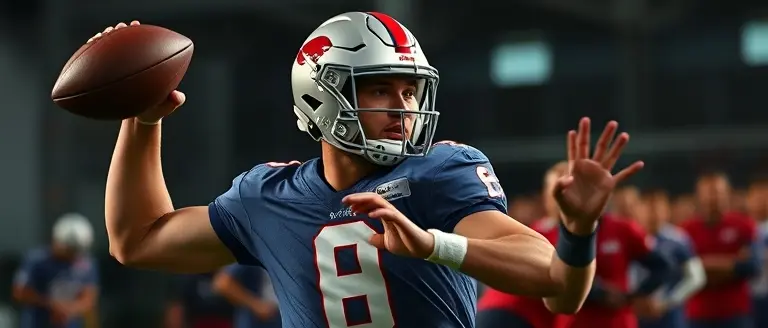
The transition from a standout collegiate career to the professional ranks is notoriously unforgiving, and Diego Pavia serves as a prime case study in the disparity between “college-ready” playstyles and NFL schematic requirements. During his tenure at Vanderbilt, Pavia was defined by his off-script improvisation, grit, and an ability to manipulate collegiate defensive coverages with his legs. His status as a Heisman Trophy finalist was a testament to his elite production and leadership within a system tailored to accentuate his dual-threat dynamism. However, the NFL operates on a different plane, where the windows for success are significantly tighter and defensive discipline is vastly superior.
Tactical Limitations and NFL Transitions
The primary hurdle for prospects like Pavia involves the shift from college-spread concepts to the pro-style complexity of the NFL. While his collegiate tape showcased a player who could extend plays, scouts frequently highlight specific technical areas that struggle to translate to the highest level:
- Arm Talent and Velocity: Pro defenses prioritize ball placement and high-velocity throws into tight windows. Analysts noted that Pavia’s delivery occasionally lacked the necessary zip to beat professional-grade defensive backs to the spot.
- Defensive Processing: At the collegiate level, Pavia thrived against zone-heavy schemes. Conversely, NFL defensive coordinators utilize intricate disguises and pressure packages that force a quarterback to make rapid, pre-snap reads—an area where undrafted free agents are often given a very short leash during training camp.
- Scheme Fit: While his playmaking is undeniable, the Ravens’ decision to waive him suggests that his specific skill set did not align with their offensive core requirements, highlighting the harsh reality that even elite collegiate performance does not always guarantee a role in a specialized professional depth chart.
Ultimately, while Pavia’s collegiate brilliance earned him legitimate accolades, the professional game demands a level of physical and mental precision that represents a massive leap. His release by the Baltimore Ravens underscores that the NFL scouting process prioritizes specific, repeatable technical proficiencies over the high-variance, improvisational style that often dominates on Saturdays.
Career Trajectory: What Happens After a Training Camp Cut?
The sudden release of Diego Pavia by the Baltimore Ravens serves as a stark reminder of the volatility inherent in the NFL for undrafted free agents. When a player with significant collegiate fanfare is cut just days before the commencement of training camp, they immediately enter the waiver wire process. During this phase, other franchises have a brief window to claim the player’s existing contract. If no team submits a claim, the player becomes an unrestricted free agent, free to sign with any club or, in some cases, explore professional opportunities in alternative leagues or collegiate coaching transitions.
Navigating Professional Sports Volatility
For a quarterback like Diego Pavia, the transition from a star collegiate environment to the cold calculus of professional roster management involves several critical hurdles. The reality of the NFL developmental cycle often dictates that even high-profile personalities must adjust their playing style to fit specific offensive schemes. When a team opts to cut an undrafted rookie, it is rarely a reflection of character, but rather a strategic decision based on:
- Roster Depth: Prioritizing veteran backups who offer immediate schematic familiarity.
- Skillset Specialization: The difficulty of transitioning “outsized personality” college QBs into traditional NFL pocket-passer or specialized utility roles.
- Financial Flexibility: Clearing cap space or roster spots for players with higher long-term developmental ceilings.
For athletes facing this crossroads, the path forward is rarely linear. Many players in this position evaluate their remaining eligibility or explore paths into coaching or administrative roles, leveraging their deep understanding of collegiate systems. While the dream of an NFL roster spot remains the primary objective, the ability to adapt to a post-cut reality—whether that involves pursuing a practice squad position or pivoting to a different area of the sports industry—is what defines a sustainable career trajectory in professional athletics. Success after such an abrupt departure requires both physical preparation and the tactical navigation of future opportunities.
Future Outlook: Assessing Potential Next Steps

The sudden release of Diego Pavia from the Baltimore Ravens roster just days before training camp serves as a sobering reminder of the volatility inherent in the NFL for undrafted free agents. While his collegiate tenure as a Heisman Trophy finalist demonstrated elite playmaking ability and leadership, the transition to the professional level requires a specific synthesis of technical precision and physical durability that remains a significant hurdle for “outsized personality” quarterbacks. With his immediate NFL future currently in flux, industry experts are closely monitoring his next move, as he sits at a pivotal juncture in his professional athletic career.
Navigating Professional Alternatives
Pavia now faces a landscape characterized by strategic career decisions rather than immediate guarantees. The following avenues appear most viable for a player of his specific profile:
- Practice Squad Opportunities: Other NFL franchises may express interest in Pavia’s unique skill set as a scout-team quarterback to mimic dual-threat opponents, though this path often offers limited long-term stability.
- Alternative Professional Leagues: Leagues such as the UFL or other developmental professional circuits could offer Pavia the consistent game-day repetitions necessary to refine his mechanics and adapt his collegiate success to a more professional speed.
- Collegiate Coaching and Administration: Given his extensive knowledge of high-level offensive schemes and his magnetic reputation in the college ranks, a pivot toward a graduate assistant or analyst role—potentially returning to Vanderbilt or a similar program—is a logical career hedge. This transition would allow him to leverage his football IQ while remaining within a high-stakes competitive environment.
Ultimately, Pavia’s next step will likely be dictated by his desire to continue competing on the field versus the opportunity to leverage his collegiate legacy in an advisory or coaching capacity. While the NFL door is not permanently closed, the immediate window has narrowed, requiring a calculated approach to maintain his professional viability in an increasingly crowded quarterback market.
Navigating the Next Pivot with Elite Cognitive Clarity
The sudden release of Diego Pavia from the Ravens serves as a sobering reminder of the volatility inherent in professional sports. For an athlete, the transition from collegiate hero to an uncertain professional future requires more than physical training; it demands an ironclad psychological framework to process disappointment and strategize the next move. Whether Pavia chooses to leverage his brand in a collegiate coaching capacity or seeks another shot at the gridiron, the ability to maintain sharp decision-making under intense pressure remains the ultimate differentiator.
Just as NFL teams prioritize mental acuity in their quarterbacks, high-stakes career transitions require you to operate at your peak cognitive capacity to evaluate your future effectively. When your professional trajectory feels as unpredictable as a waiver wire update, mental fog is a luxury you cannot afford. This is where The Brain Song becomes an essential asset in your performance toolkit.
By integrating a science-backed approach to cognitive enhancement, The Brain Song helps you sharpen your focus and reduce the mental load that often accompanies significant life changes. It provides the sustained mental clarity needed to navigate complex pivot points with the same composure as a veteran quarterback surveying a shifting defense. Position yourself for success by optimizing your most critical professional asset: your mind.
 Hone your mental edge and maintain peak cognitive performance throughout your own career transitions by incorporating The Brain Song into your daily routine.Unlock My Peak Performance Today!