
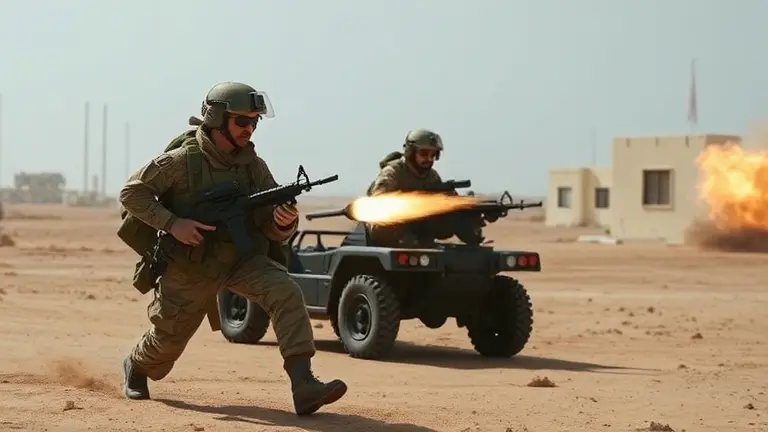
As of July 24, 2026, the geopolitical landscape of the Middle East is undergoing a seismic shift, with Bahrain news dominating international headlines. The rapid escalation of conflict between the United States and Iran has moved beyond proxy skirmishes, evolving into a high-intensity theater of war that now directly threatens critical U.S. infrastructure across the Gulf. With reports emerging of unprecedented, potentially undisclosed involvement by regional allies in strikes against Iranian military targets, the traditional balance of power is dissolving, replaced by a volatile environment that demands careful, analytical scrutiny rather than reactive speculation.
For observers attempting to decipher these developments, the complexity of shifting alliances and the looming threat to global energy security creates an overwhelming cognitive burden. It is no longer enough to track the daily updates; one must grasp the historical context and the strategic vulnerability of U.S. bases in Kuwait, Jordan, and Bahrain. In an era of relentless, high-stress news cycles, maintaining the sharp, analytical mental state required to parse these complex geopolitical events is as vital as the facts themselves. We provide here the necessary clarity to navigate this instability, ensuring you remain informed without falling prey to information fatigue.
Current Status: Escalation in the Gulf and Regional Conflict Update
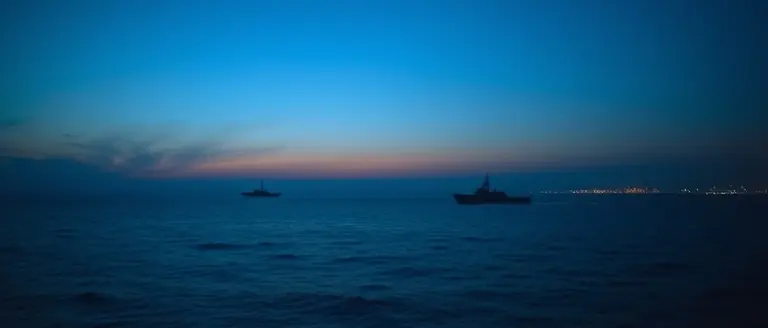
As of July 24, 2026, the security landscape in the Middle East has entered a period of extreme volatility, with Bahrain news at the epicenter of international concern. Following a sequence of strategic U.S. strikes against Iranian shipping routes in the Strait of Hormuz, the conflict has widened significantly. The Iranian military has reportedly launched retaliatory strikes targeting major U.S. installations, including bases in Bahrain, Kuwait, and Jordan. This exchange of fire marks a critical escalation in a confrontation that is now approaching its fifth month, testing the limits of regional security architectures and the existing military deterrents established by the U.S. administration.
Geopolitical Implications and Unverified Reports
Recent reports from various news outlets suggest a potential paradigm shift in the region, noting that Bahrain and Kuwait may have participated in earlier, previously undisclosed military operations targeting sites within Iran. While these claims, if substantiated, would represent a departure from the traditional diplomatic stance of regional neutrality, observers are cautioned to await official confirmation from the Bahraini Ministry of Foreign Affairs. The current situation remains fluid, and analysts are closely monitoring the following key developments:
- Heightened Vulnerability: The active targeting of U.S. bases in the Gulf has increased the threat level for Western personnel and regional infrastructure.
- Active vs. Passive Roles: There is intense international scrutiny regarding whether Gulf nations are moving from a role of providing host-nation support to active operational participation.
- Strait of Hormuz Security: Ongoing clashes are contributing to widespread fears regarding the stability of global energy supplies and maritime trade routes.
The U.S. administration is currently evaluating options for further engagement as the theater of war expands. Given the sensitive nature of the reports circulating today, it is essential for stakeholders to differentiate between verified geopolitical movements and unsubstantiated claims. Experts emphasize that the long-term impact on the Gulf security architecture remains the primary concern as tensions show no immediate signs of de-escalation.
Geopolitical Fact Sheet: The US-Bahrain-Iran Security Dynamic
The security architecture of the Gulf has been defined for decades by the strategic partnership between the United States and the Kingdom of Bahrain. Since 1947, and formalized through various defense cooperation agreements, Bahrain has served as the critical homeport for the U.S. Fifth Fleet. This maritime hub is instrumental in securing the Strait of Hormuz, a vital chokepoint for global energy supplies. As Bahrain news continues to report on the intensifying regional conflict, the role of this base has shifted from a logistical headquarters to a potential primary target in the ongoing escalation between Washington and Tehran.
Historical Tensions and Strategic Shifts
The friction between Iran and Gulf nations is rooted in long-standing ideological and territorial disputes, which have recently evolved into a high-intensity kinetic theater. Historically, Bahrain has maintained a delicate balance, hosting Western military assets while navigating regional diplomatic pressures. However, the current five-month conflict marks a departure from this status quo. Emerging reports, including allegations of direct involvement in operations inside Iran, suggest that the Kingdom is moving away from passive hosting toward a more active role in the regional security posture.
Key Factors in the Current Security Crisis
- Base Vulnerability: The U.S. presence in Manama makes it a central node in the regional defense network, now facing increased threats from Iranian drone and missile capabilities.
- Widening Theater of War: The reported participation of Bahrain and Kuwait in strikes against Iranian targets signals a potential transformation of the Gulf states into active combatants rather than mere staging grounds.
- Strait of Hormuz Stability: The ongoing hostilities have heightened the risk of physical blockades or maritime interference, creating significant volatility in global energy markets.
- Diplomatic Realignment: Observers are closely monitoring official statements from the Bahraini Ministry of Foreign Affairs, as the current atmosphere remains volatile with no immediate signs of de-escalation in the dispute.
This rapid transformation underscores the fragility of the Gulf security architecture as the U.S. administration weighs its next steps in a conflict that continues to threaten regional stability.
Official Statements and the Bahraini Foreign Policy Stance
As the geopolitical landscape in the Gulf experiences unprecedented turbulence, the Bahraini Ministry of Foreign Affairs has faced increasing pressure to clarify its position amid circulating reports of direct military involvement in strikes against Iran. Following the escalation on July 24, 2026, international media outlets, including the New York Post, have suggested that Bahrain moved beyond its traditional role as a host for U.S. naval assets to become an active participant in offensive operations. However, official communiqués from Manama remain notably cautious, emphasizing the state’s commitment to regional stability and the protection of its sovereign territory rather than confirming participation in extraterritorial strikes.
Distinguishing Policy from Wartime Rumors
The discrepancy between international headlines and government messaging underscores the complexity of modern information warfare. Discerning the reality of Bahrain news requires a focus on official diplomatic channels rather than fragmented field reports. Key factors to consider when evaluating these claims include:
- Sovereignty vs. Alliance Obligations: While Bahrain hosts the U.S. Fifth Fleet, official statements consistently frame their defensive posture as an exercise in domestic security, strictly avoiding rhetoric that would position the nation as a primary aggressor against Tehran.
- Diplomatic Neutrality: Historically, Bahrain has sought a delicate balance in its foreign policy. Any departure from this stance would mark a significant shift in Gulf security architecture, one that the Ministry would likely signal through formal policy declarations rather than covert military actions.
- Verification of Claims: In the current environment, reports alleging direct participation by Gulf states in strikes on Iranian soil often lack corroboration from primary military sources. Analysts suggest that the lack of official acknowledgement from the Bahraini government is an intentional effort to mitigate the risk of further retaliatory escalations.
Ultimately, observers must exercise caution when interpreting reports of “widening war.” Until the Bahraini government confirms a shift in its rules of engagement, the current narrative remains heavily contested. For stakeholders tracking the Strait of Hormuz situation, relying on verified ministerial briefings is the only effective way to distinguish between strategic disinformation and the actual, evolving state of Bahraini defense policy.
Impact on Gulf Security Architecture and Future Escalation Risks
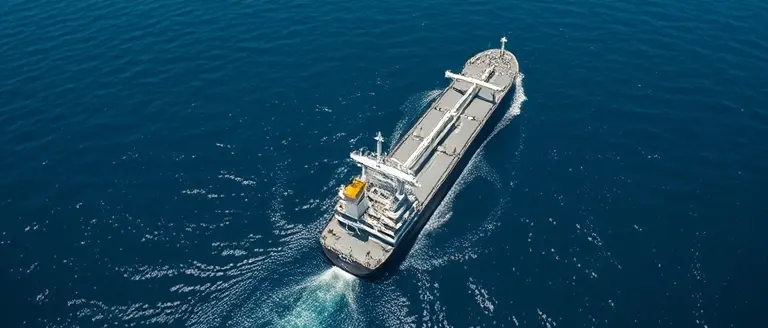
The current escalation in the Gulf signals a profound transformation in regional security architecture, challenging decades of established strategic norms. For years, the U.S.-Bahrain partnership was characterized by the hosting of the U.S. Fifth Fleet, a arrangement that provided deterrence while allowing Bahrain to maintain a degree of diplomatic insulation. However, recent reports suggesting that Bahrain and Kuwait may have participated in direct military operations against targets inside Iran represent a fundamental shift. This transition from passive hosting to active participation potentially exposes these nations to unprecedented retaliatory risks, fundamentally altering how regional powers evaluate the costs of their alignment with U.S. policy.
Strategic Implications for Regional Stability
The widening theater of war creates significant vulnerabilities for U.S. bases and critical infrastructure across the Middle East. As the Trump administration weighs further tactical escalations, the following factors remain central to the evolving instability:
- Vulnerability of Transit Routes: The ongoing volatility near the Strait of Hormuz—the world’s most critical maritime chokepoint for global oil—presents a severe threat to international energy security and could trigger immediate supply chain shocks.
- Shifting Military Alliances: The blurred lines between defensive hosting and offensive participation force neighboring Gulf Cooperation Council (GCC) states to re-assess their own neutrality, likely leading to more fragmented security responses.
- Asymmetric Warfare Risks: Iranian military doctrine has increasingly leaned into drone and missile swarms, making traditional static defenses like those at U.S. bases in Bahrain and Jordan increasingly difficult to secure without massive, long-term deployment of advanced air defense systems.
The lack of de-escalation signals suggests that the current cycle of tit-for-tat strikes could persist as the “new normal” for the foreseeable future. By moving toward a more overt role in regional kinetic operations, Bahrain is entering a high-stakes environment where the traditional security umbrella provided by Washington is increasingly tested by Iran’s demonstrated willingness to strike directly at host nations. Future developments will depend heavily on whether the U.S. can stabilize its forward-deployed assets while mitigating the risk of total regional contagion.
Maintaining Mental Clarity Amidst Geopolitical Turbulence
The current situation in Bahrain and the wider Gulf region is a critical inflection point in modern history, one that underscores the fragility of regional alliances and the constant threat of oil market volatility. Navigating these reports requires more than just access to data; it requires the cognitive resilience to differentiate between verified strategic shifts and the noise of a saturated media environment. By prioritizing accuracy and historical context, you position yourself to understand the true nature of this regional transformation.
Processing this level of high-stakes information is physically and mentally taxing, often leading to the exact kind of information-age fog that prevents clear analytical thinking. In this climate, your ability to remain objective and sharp is your greatest asset. We recommend integrating specialized mental clarity tools to support your focus as you digest these complex scenarios, ensuring your mind remains an instrument of precision rather than a casualty of stress.
To help you maintain the cognitive sharpness required to analyze these shifting alliances, we invite you to incorporate a specialized, science-backed approach to your daily routine. By aligning your mental state with your need for deep, analytical focus, you can navigate these developments with unwavering clarity.
 Support your analytical focus and combat information-age mental fatigue with The Brain Song’s 12-minute daily routine.Yes, I Want to Restore My Mental Clarity!