
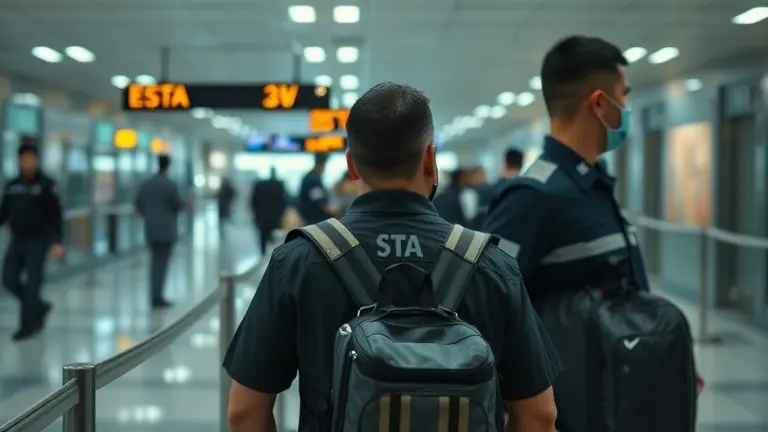
If you are a frequent flyer, the upcoming July 2026 rollout of TSA Gold+—a significant expansion of the federal Screening Partnership Program—might feel like just another shift in the already unpredictable landscape of air travel. With major hubs like Tampa and Charleston moving toward private, contractor-led security screening, the promise of increased efficiency is colliding with intense political debate and vocal opposition from federal unions. As a traveler, the headlines about labor disputes and federal policy shifts can feel like background noise, but the reality is that the way you navigate the checkpoint is about to change significantly.
Understanding these shifts is no longer optional for the high-functioning traveler; it is a prerequisite for seamless transit. Whether these new private protocols lead to faster lines or simply add more complexity to your pre-flight routine remains the primary concern for the modern business traveler. While the policy debates will continue to rage in Washington, your primary objective remains clear: reaching your destination with your time and sanity intact.
Understanding TSA Gold+: The New Federal Shift in Airport Security
In July 2026, the landscape of domestic air travel underwent a fundamental transformation with the rollout of the TSA Gold+ program. This federal policy shift marks a strategic pivot in the Screening Partnership Program (SPP), allowing major US airports to transition away from direct TSA-staffed security checkpoints in favor of private security contractors. While the federal government maintains strict oversight, the day-to-day operations at participating facilities are now managed by specialized private firms held to the same rigorous federal safety certifications as their public counterparts. Major hubs, including Tampa International Airport (TPA) and Charleston International Airport, are among the first to spearhead this transition, aiming to leverage private-sector agility to streamline passenger throughput and mitigate staffing shortages.
The Debate Over Privatization and Labor Relations
The shift toward private contractors has ignited significant political and labor friction. The union representing approximately 47,000 TSA employees has launched a vocal campaign against the expansion, arguing that privatization could undermine consistent safety protocols and erode job security. Supporters of the Gold+ model, however, contend that private contractors provide more flexible staffing solutions, which may lead to reduced wait times during peak travel hours.
Key aspects of the current transition include:
- Federal Oversight: All private contractors must comply with strict TSA security standards, meaning passengers should theoretically notice little difference in the actual screening technology or prohibited item lists.
- Labor Challenges: The ongoing conflict centers on the potential for reduced federal benefits for screeners and the broader implications of transitioning public-sector roles to private entities.
- Operational Efficiency: Airports like TPA are utilizing this program to experiment with new queue management systems, promising a more seamless experience for business and leisure travelers alike.
As this rollout continues, the focus remains on whether the “Gold+” branding will deliver on its promise of enhanced efficiency. For the average flyer, the transition represents a departure from the traditional model, necessitating a close watch on local airport communications regarding specific screening procedures at these new privatized checkpoints.
Efficiency vs. Security: Addressing Your Safety Concerns

The transition toward the TSA Gold+ program has sparked significant anxiety among frequent flyers, primarily centered on whether private contractors can maintain the same rigor as federal agents. For many travelers, the TSA represents a standardized, albeit imperfect, federal layer of security that provides a consistent experience across the United States. With airports like Tampa International Airport (TPA) and Charleston International Airport moving toward private operations, travelers are rightfully questioning if “efficiency” will come at the expense of vigilance. Government officials maintain that all private contractors must adhere to the exact same federal screening protocols as the traditional agency. However, the move away from direct federal oversight has fueled public skepticism regarding the consistency of training, background vetting, and long-term security performance across diverse, privately managed checkpoints.
Navigating the Human Interest Element
The primary friction point for passengers is the fear of inconsistent screening quality. When security operations are decentralized, travelers worry about potential variance in how procedures are applied. Addressing these concerns requires looking at the actual mechanisms of federal oversight:
- Federal Oversight Remains: Even under the Screening Partnership Program (SPP), private companies are legally bound to federal regulations, and their performance is monitored by federal inspectors.
- Standardized Certification: Contractors must undergo rigorous certification processes that mirror the training curricula used for federal employees.
- Performance Metrics: Proponents argue that private entities are often more incentivized to optimize throughput, which could theoretically reduce wait times without compromising the actual detection of prohibited items.
- The Union Perspective: The vocal opposition from the 47,000-member TSA employees’ union highlights valid concerns regarding labor stability, suggesting that lower staff turnover under federal employment might be safer than the potentially higher churn associated with private contractors.
Ultimately, while the promise of shorter lines is an attractive prospect for business travelers, the “human factor”—the professional judgment of the individual agent—remains the core of the TSA security model. Whether private firms can replicate the institutional knowledge of a veteran federal workforce remains the central question as this policy shift matures throughout 2026. Travelers should continue to expect high-level security scrutiny regardless of the operator, as federal requirements dictate that the screening standards remain non-negotiable, irrespective of who manages the checkpoint.
How ‘TSA Gold+’ Changes Your Pre-Flight Experience
As the TSA transitions select locations like Tampa International Airport to the new TSA Gold+ screening model, travelers may feel a sense of uncertainty regarding their security checkpoints. While the branding may shift, it is essential to understand that federal safety mandates remain the bedrock of the operation. Under the Screening Partnership Program (SPP), private security contractors must adhere to the exact same federal regulations, testing standards, and prohibited item lists as traditional TSA-staffed checkpoints. From your perspective as a passenger, the core requirements—such as presenting a valid ID, removing electronics, and adhering to liquid restrictions—remain strictly in force regardless of who is operating the scanner.
What Remains Consistent vs. What Changes
While federal oversight ensures uniformity in security protocols, you will notice distinct operational differences at participating airports:
- Uniforms and Staffing: You will likely encounter private employees wearing uniforms distinct from the standard blue TSA attire. These personnel are trained under federal certification but are managed by private firms rather than the TSA directly.
- Checkpoint Efficiency: A primary goal of the TSA Gold+ initiative is to optimize passenger flow. Proponents argue that private contractors can often deploy staff more dynamically during peak travel hours, potentially reducing wait times compared to rigid federal staffing schedules.
- Customer Interaction: Initial reports from airports transitioning to private models suggest a different approach to passenger management, often characterized by a heightened focus on hospitality and efficiency as contractors compete to meet contractual performance metrics.
For the average traveler, the transition at airports like Charleston or Tampa should not disrupt your pre-flight routine. The most significant change you will observe is a shift in the service delivery model, aimed at balancing rigorous security compliance with a smoother, faster transit through the terminal. Regardless of the staffing model, always arrive at the airport with the assumption that standard federal security measures apply, ensuring that your journey remains compliant and stress-free.
What to Expect at TPA, Charleston, and Other Participating Airports

As major hubs like Tampa International Airport (TPA) and Charleston International Airport transition to the TSA Gold+ program, passengers may notice changes in the screening environment. While the fundamental security regulations—governed by federal law—remain consistent, the personnel operating the checkpoints are shifting from federal employees to private security contractors. For the traveler, this means that while the “rules” of what you can bring through the checkpoint do not change, the management of the screening flow might feel different during this initial implementation phase.
To ensure a smooth transit through these transitioning checkpoints, travelers should adopt a more proactive approach to their pre-flight routine:
- Allow Extra Buffer Time: During the early months of the TSA Gold+ rollout, operational adjustments and staff training may lead to fluctuations in processing speed. It is advisable to arrive at the airport at least two hours before domestic flights to account for potential, though unconfirmed, transitional delays.
- Monitor Airport-Specific Updates: Check your departure airport’s official website or social media channels 24 hours before your flight. Many airports are using these platforms to issue real-time alerts regarding terminal-specific checkpoint changes or temporary closures.
- Maintain Standard Compliance: Regardless of the personnel, all passengers must continue to adhere to standard TSA procedures, such as the 3-1-1 liquids rule and the removal of electronics from carry-on bags unless you have TSA PreCheck status. The shift in staffing does not exempt passengers from federal security mandates.
The introduction of private contractors is intended to improve efficiency, but travelers should remain observant. If you encounter significant confusion or perceived inconsistencies at a private screening checkpoint, document your experience and provide feedback through the airport’s passenger service portal. While these facilities remain under the oversight of federal regulators to ensure safety standards are met, early adaptation to the new, private-sector-led flow will be the best strategy for frequent business travelers moving through these participating regions.
Mastering the Chaos of Modern Airport Transitions
While industry experts and policymakers debate the long-term efficacy of private security contractors versus traditional personnel, the immediate reality for you is an environment defined by uncertainty. Navigating these new, evolving ‘TSA Gold+’ checkpoints requires more than just knowing the rules—it requires a state of peak cognitive readiness. You cannot control federal policy or the shifting efficiency of security lines, but you can maintain total control over your internal response to these high-stress environments.
This is where your mental preparation becomes your greatest travel asset. We have identified that the true friction point in modern travel isn’t just the waiting; it is the mental tax of unpredictable transitions. By integrating neuroscience-based auditory stimulation into your routine, you can effectively neutralize the cortisol-spiking anxiety that accompanies airport uncertainty. The Brain Song acts as your essential mental pre-flight checklist, designed to anchor your focus and sustain cognitive clarity, ensuring that no matter how long the line or how new the protocol, you remain calm, sharp, and entirely in command of your experience.
You deserve to travel with the same level of performance you bring to the boardroom. Don’t let the unpredictability of airport security dictate your mood or your mental output. Prepare your mind for the chaos of modern air travel: Use The Brain Song to maintain focus and calm during your next journey.
 Prepare your mind for the chaos of modern air travel: Use The Brain Song to maintain focus and calm during your next journey.Protect My Focus Now!