
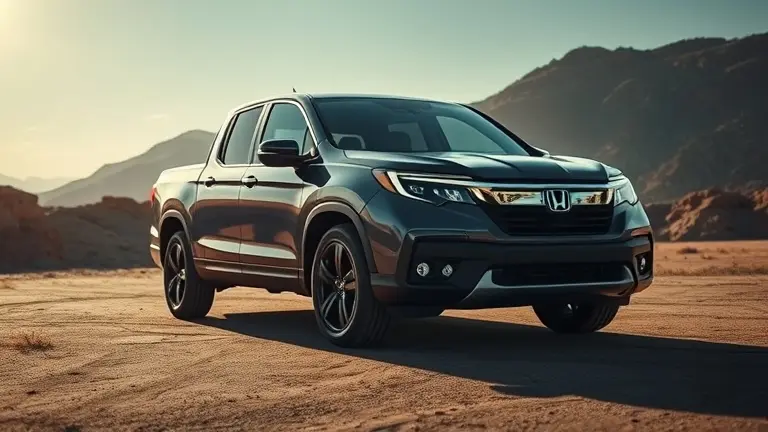
The automotive world is buzzing following Honda’s official July 2026 announcement: the beloved, albeit polarizing, Ridgeline is undergoing a dramatic metamorphosis. With the current model entering a production hiatus, the message from headquarters is clear: the third-generation Ridgeline is being engineered to abandon its ‘soft’ crossover roots in favor of a rugged, traditional pickup aesthetic. As enthusiasts dissect the shadowy silhouette of the upcoming truck, a critical question emerges—is this merely a cosmetic redesign, or is Honda orchestrating a fundamental platform shift to finally go toe-to-toe with the titans of the segment, like the Toyota Tacoma and Ford Ranger?
This strategic pivot represents more than just a styling update; it is an exercise in structural evolution. Just as Honda is moving from a ‘soft’ design to a more rigorous, engineered approach for the 2028 Ridgeline, many creators are realizing that the secret to a successful transformation—whether in a high-performance vehicle or a custom home workshop project—lies entirely in having the right, precision-tested plans to guide the process. As we look ahead to this new era of the Ridgeline, we must analyze not only the silhouette but the engineering intent behind the machine, bridging the gap between speculative design and the technical reality required for a true, rugged transformation.
The End of an Era: What the 2026 Honda Ridgeline Hiatus Means for the Future
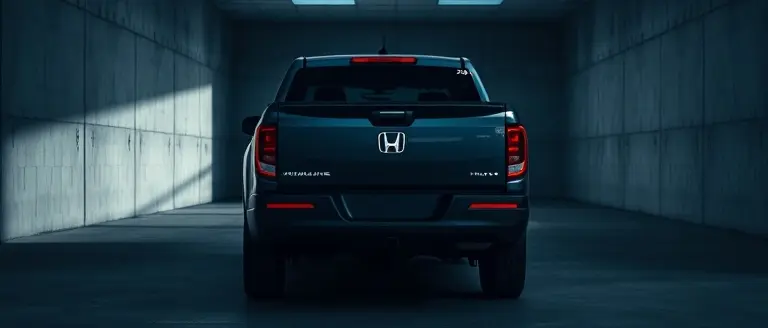
On July 23, 2026, Honda sent shockwaves through the automotive world with the official announcement that the Honda Ridgeline will enter a temporary production hiatus for the 2026 model year. While production pauses can often signal waning interest, this strategic move represents a definitive turning point for the brand. By clearing the assembly lines of the current, second-generation platform, Honda is signaling a transition away from the “crossover-truck” identity that defined the vehicle’s last decade and toward a bold, third-generation redesign.
This hiatus is not a retreat, but a preparation for a fundamental pivot. The current Ridgeline has long faced criticism for its softer, unibody-based aesthetic, which contrasted sharply with the aggressive, body-on-frame styling found in rivals like the Toyota Tacoma and Ford Ranger. The upcoming redesign aims to address these market pressures head-on. Evidence suggests that Honda is prioritizing a more rugged, traditional truck silhouette to align with consumer demand for a more imposing and capable mid-size pickup.
Why the Hiatus Matters
The decision to pause production underscores several key shifts in Honda’s long-term strategy:
- Brand Realignment: Moving away from the crossover-derived styling to compete directly with the aesthetic dominance of traditional body-on-frame competitors.
- Manufacturing Efficiency: By streamlining facilities for the 2028 market arrival, Honda can dedicate resources to integrating new off-road architectures and potential powertrain upgrades.
- Capitalizing on Anticipation: The shadowy design teaser has successfully shifted the narrative from “outdated styling” to “high-stakes evolution,” keeping the Ridgeline relevant during its time off the market.
As the industry pivots toward this 2028 launch, enthusiasts and potential buyers should view this hiatus as a necessary bridge. By effectively closing the chapter on the second generation, Honda is creating the space required to move the Ridgeline into a more competitive segment, signaling that the next iteration will be less of a comfort-focused commuter and more of a purpose-built trail warrior.
Deciphering the Teaser: Is the 2028 Ridgeline Heading Toward ‘Rugged’ Utility?
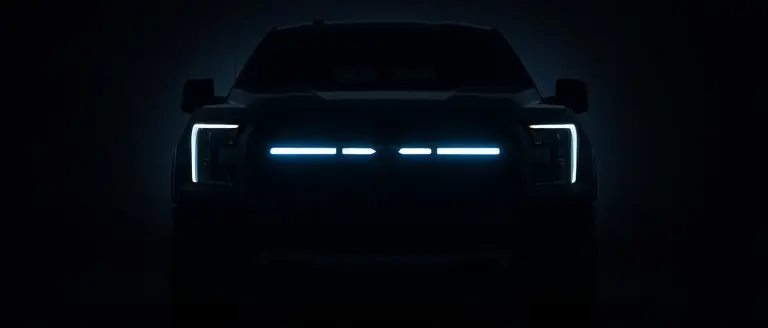
The recent official teaser for the next-generation Honda Ridgeline has sent a clear message to the automotive market: the era of the “soft” crossover-based aesthetic is ending. By embracing a boxier, more aggressive silhouette, Honda appears to be directly confronting the long-standing criticisms that have historically relegated the Ridgeline to the periphery of the mid-size truck segment. While the outgoing model prioritized refined handling and interior comfort—often at the expense of traditional pickup appeal—the shadowy outline of the 2028 model reveals an increased dash-to-axle ratio and a more upright front fascia that mimics the presence of heavy-duty competitors.
Visual Clues and Design Intent
The transition to a more traditional pickup aesthetic is more than just a stylistic refresh; it is a calculated effort to recapture market share from the Toyota Tacoma and Ford Ranger. The silhouette teaser suggests several key design shifts that align with modern consumer expectations for “rugged” utility:
- Boxier Geometry: Gone are the sloping C-pillars that previously blurred the lines between SUV and truck. The new design suggests a traditional, squared-off bed profile.
- Aggressive Stance: Increased fender flares and a higher hood line indicate a desire to project structural strength and off-road capability.
- Functional Exterior Elements: The teaser hints at improved approach and departure angles, addressing a primary pain point for current owners who felt the previous model’s ground clearance was insufficient for off-road trails.
While visual changes are evident, the industry remains divided on whether this redesign signals a shift to a body-on-frame platform or an evolution of Honda’s proven unibody architecture. If Honda can retain the superior on-road manners of a unibody build while masking it in a more rugged, boxy exterior, they may finally bridge the “Ridgeline Paradox.” By balancing the utilitarian visual language that buyers demand with the engineering refinement Honda is famous for, the 2028 Ridgeline aims to prove that a truck does not have to be crude to be considered “rugged.”
Platform Evolution: Cosmetic Facelift or Fundamental Mechanical Shift?
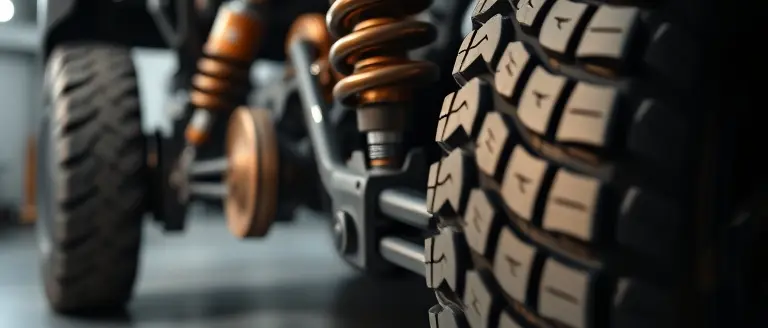
The industry is currently buzzing with speculation regarding the third-generation honda ridgeline, particularly concerning whether Honda’s promise of a “more rugged” aesthetic is merely skin-deep or indicative of a foundational engineering overhaul. Since the Ridgeline’s inception, its unibody architecture has served as its greatest competitive advantage—providing class-leading ride comfort and cabin isolation—while simultaneously acting as a lightning rod for criticism from traditionalists who equate “truck” durability with body-on-frame construction. To compete effectively with the Toyota Tacoma and Ford Ranger, the 2028 model must bridge the gap between crossover-like handling and legitimate off-road utility.
Engineering Challenges for the Next-Gen Ridgeline
Transitioning the honda ridgeline to a more “rugged” identity involves significant trade-offs. If Honda retains the current unibody platform, they will likely focus on structural reinforcement to increase towing capacity and payload stability. Conversely, a pivot to a new platform capable of true off-road performance would require:
- Increased Ground Clearance: Redesigning the suspension geometry to accommodate larger wheel-and-tire combinations without compromising the low center of gravity.
- Drivetrain Robustness: Upgrading the i-VTM4 all-wheel-drive system to handle sustained low-speed crawling and higher torque loads.
- Chassis Rigidity: Enhancing the subframe mounting points to prevent the “flex” often associated with unibody trucks under heavy towing conditions.
Evidence suggests that Honda is acutely aware of the “Ridgeline Paradox.” Simply adding aggressive body cladding to the current architecture would likely disappoint consumers expecting genuine capability improvements. Therefore, a fundamental mechanical shift—likely involving high-strength steel integration and a more sophisticated, active-damper suspension setup—is the most probable path forward. By reinforcing the existing architecture while drastically sharpening the exterior design cues, Honda aims to provide the utility shoppers demand without sacrificing the highway refinement that has defined the brand’s unique entry into the mid-size truck segment.
The Competitive Landscape: Can Honda Reclaim Market Share from Tacoma and Ranger?

The midsize truck segment has long been defined by the aggressive posture of the Toyota Tacoma and the versatile utility of the Ford Ranger. For years, the Honda Ridgeline has occupied a unique niche, favoring a unibody construction that offers superior ride comfort and handling at the expense of traditional “truck” aesthetics. With the recent announcement of a third-generation pivot toward a more rugged, boxy silhouette, Honda is clearly signaling its intent to challenge the hegemony of these established segment leaders. By aligning the upcoming 2028 model with the visual expectations of off-road enthusiasts, Honda aims to capture a larger slice of the market share currently monopolized by rivals that prioritize high ground clearance and utilitarian styling.
Bridging the Gap: Performance vs. Perception
The core challenge for Honda lies in the “Ridgeline Paradox”—the task of evolving the vehicle’s design without alienating its loyal, comfort-focused customer base. While the silhouette teaser hints at a more conventional, upright pickup profile, market analysts remain divided on whether a cosmetic redesign will suffice. To successfully compete with the Tacoma and Ranger, the next-gen Honda Ridgeline must balance its signature ride quality with genuine mechanical upgrades. Success will likely depend on the following factors:
- Platform Versatility: Can Honda retain its smooth unibody architecture while reinforcing the chassis for heavy-duty towing and trail performance?
- Powertrain Competitiveness: The move toward a 2028 launch suggests Honda is benchmarking the latest forced-induction and hybrid offerings from Ford and Toyota to ensure competitive torque delivery.
- Visual Identity: Moving away from the “crossover-truck” stigma is essential to attracting buyers who currently view the Ridgeline as soft compared to its body-on-frame competitors.
If the upcoming Honda Ridgeline can successfully marry a rugged exterior with the refined driving dynamics that have always been its hallmark, it could force a fundamental shift in the midsize segment. By targeting both the traditional truck buyer and the pragmatic daily-driver, Honda is positioning its future flagship not just as an alternative, but as a direct disruptor to the existing industry status quo.
Mastering the Blueprint of Your Next Great Build
The transition of the Honda Ridgeline from a crossover-inspired platform to a bold, rugged contender proves that even the most established designs require a fundamental shift in technical strategy to remain relevant. Whether in the high-stakes automotive industry or your own personal workshop, the difference between a project that feels ‘soft’ and one that commands authority lies entirely in the precision of the planning phase. When you move beyond guesswork and start working from professional-grade foundations, you ensure that every angle, structural support, and aesthetic choice serves a deliberate, high-performance purpose.
Just as Honda is recalibrating their engineering approach for the 2028 Ridgeline, many DIY enthusiasts are realizing that the secret to a successful transformation lies in having the right, precision-tested plans to guide the process. Amateur design often leads to incomplete results, but by leveraging a comprehensive, library-based approach to your projects, you eliminate the risk of structural failure and gain the confidence of a master builder.
To achieve that same level of technical rigor in your own space, look to a resource that offers the exact structural certainty you need for professional-grade accuracy. With access to over 16,000 workshop-tested plans, you can turn any vague concept into a functional, tangible reality, ensuring your craftsmanship stands the test of time just as surely as a ground-up truck redesign.
 If you want to apply that same level of technical precision to your own workshop projects, explore the blueprint library that turns design concepts into finished, structural realities.Get Professional-Grade Plans Now!