
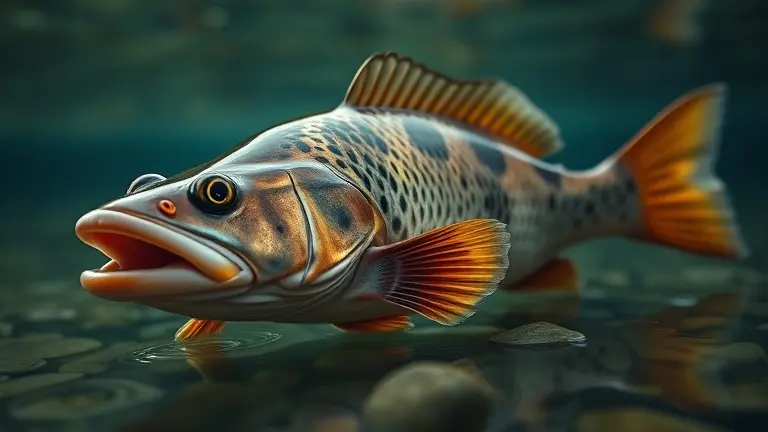
For over a decade, anglers casting lines into the depths of Lake Memphremagog have occasionally pulled up brown bullhead catfish bearing unsettling tumors and lesions. For years, these sightings remained a localized mystery, but a groundbreaking scientific report released in late July 2026 has finally confirmed the cause: a transmissible form of cancer. This discovery marks a historic and concerning milestone as the first documented case of a contagious cancer in a freshwater fish species, echoing the ecological alarms once raised by the Tasmanian Devil facial tumor disease.
As the regional fishing community processes this news, the focus must shift from speculation to science-backed safety. Understanding the nature of this disease is not just vital for the long-term health of our lake, but for the responsible enjoyment of the sport we love. Whether you are a weekend enthusiast or a seasonal regular, staying informed is our first line of defense. In this deep dive, we break down what this discovery means for the ecosystem, how to identify these fish safely, and why patience—and perhaps a change in scenery—might be the best approach for every angler right now.
Understanding the Discovery: Contagious Cancer in Lake Memphremagog’s Brown Bullheads

In a landmark scientific development confirmed in July 2026, researchers identified the first documented case of transmissible cancer in a freshwater fish species. This discovery centers on the brown bullhead catfish population residing in Lake Memphremagog, which straddles the Vermont-Quebec border. For more than a decade, local anglers and residents had reported disturbing sightings of fish plagued by physical deformities, specifically raised black lesions and lumpy tumors. While these observations were initially met with localized concern, the recent study provides a definitive biological explanation: the disease is spreading between individual fish, behaving more like a parasitic infection than a standard, environmentally induced mutation.
The Biological Nature of the Outbreak
Unlike most cancers, which originate from an individual’s own DNA mutations, this phenomenon is categorized as contagious. Scientists emphasize that this is a rare biological event, drawing parallels to well-known cases like the Tasmanian Devil facial tumor disease, where cancerous cells can physically move from one host to another. In the context of Lake Memphremagog:
- Transmission Dynamics: The cancer likely spreads through direct contact or proximity among bottom-dwelling bullheads, which are known for their social, schooling behaviors in shallow lake sediments.
- Prevalence Rates: Current estimates suggest that approximately one-third of the population in the affected regions of the lake displays clinical symptoms of the disease.
- Species Specificity: Evidence currently suggests this pathology is confined to these specific catfish populations, rather than posing a systemic threat to the entire lake’s biological diversity.
By demystifying this occurrence as a specific biological interaction rather than a chemical or toxicological collapse of the entire aquatic ecosystem, researchers hope to calm public anxiety. This scientific verification marks a critical shift from anecdotal reporting to a structured, evidence-based management approach for the region’s wildlife health.
What to Look For: Field Identification Guide for Anglers
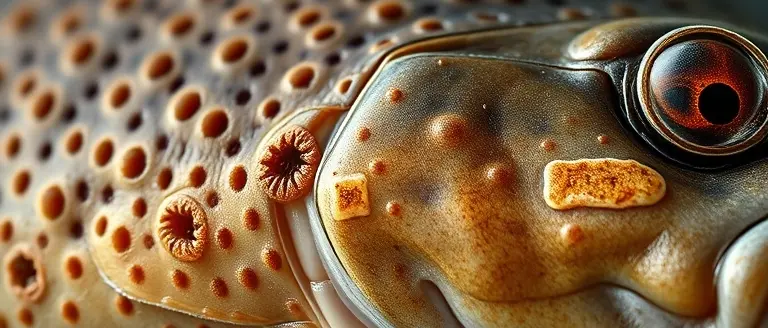
For anglers frequenting Lake Memphremagog, the emergence of brown bullhead catfish cancer requires a new level of vigilance. While not all lesions on fish indicate this specific contagious condition, scientists urge the public to be observant of distinct physical markers. The disease primarily manifests as dermal abnormalities that differ significantly from common parasites or standard environmental scarring.
Key Visual Indicators
When inspecting your catch, look for the following characteristics that distinguish the transmissible cancer from routine surface irritation:
- Raised Black Lesions: Look for clusters of dark, hyper-pigmented spots that appear raised or thickened rather than flat or superficial.
- Lumpy Tumors: Distinct, localized masses that feel firm to the touch and distort the fish’s natural silhouette. These may appear anywhere on the body, though they are frequently found on the head and lateral regions.
- Irregular Growth Patterns: Unlike symmetrical scarring, these tumors often present with cauliflower-like textures or abnormal tissue proliferation that disrupts the natural distribution of the fish’s slime coat and scales.
Safe Handling and Reporting Protocols
If you suspect you have caught a fish exhibiting signs of this condition, your primary goal should be to minimize contact and prevent the potential spread of pathogens. Wildlife experts provide the following guidance for anglers:
- Avoid Physical Contact: Do not touch the lesions directly. Use a pair of pliers or a net to manage the fish, and wear nitrile gloves if possible.
- Photo Documentation: Without risking your health, capture high-resolution, clear photographs of the lesions from multiple angles. This evidence is vital for biologists monitoring the spread of the contagious cancer in the Lake Memphremagog ecosystem.
- Report to Authorities: Note the exact GPS coordinates or the specific sector of the lake where the fish was caught. Contact the local Vermont Department of Fish and Wildlife or the Quebec equivalent to share your findings.
By practicing these protocols, the fishing community acts as a front-line surveillance network, providing essential data to help researchers understand the mechanics of this rare, contagious fish disease. Following these steps ensures your safety while contributing to the broader scientific effort to manage the ecological health of the region.
Safety and Consumption: Current Guidance from Wildlife Experts
As investigations into the brown bullhead catfish cancer outbreak in Lake Memphremagog continue, public health officials and wildlife biologists are prioritizing clear, science-backed guidance for the local angling community. The most critical takeaway from recent reports is that there is currently no evidence of zoonotic transmission, meaning this transmissible cancer is not a direct threat to human health. However, in an abundance of caution, authorities strongly advise against the consumption of any fish exhibiting external signs of disease, such as the characteristic raised black lesions or lumpy tumor-like growths.
Best Practices for Responsible Angling
To protect yourself and maintain the ecological integrity of the lake, local environmental agencies recommend the following handling protocols:
- Avoid Consumption of Affected Fish: If you catch a brown bullhead displaying visible lesions or abnormal growths, do not keep or consume the fish. While the disease is not known to cross the species barrier, eating fish with compromised immune systems or unknown infections is never recommended.
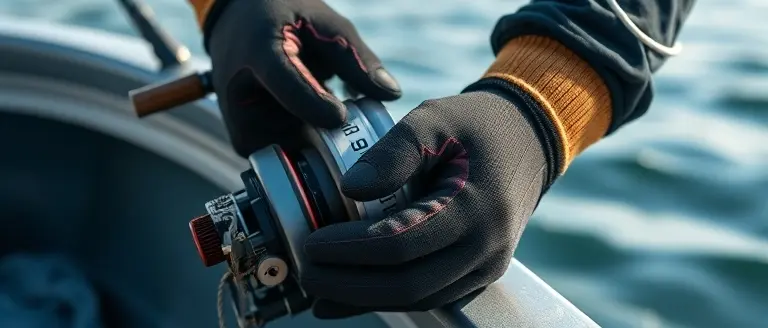
- Utilize Protective Gear: When handling fish, especially those suspected of carrying diseases, wear nitrile or rubber gloves. This minimizes direct contact with biological material and reduces the risk of skin irritation or accidental transmission of pathogens to other sensitive areas.
- Practice Strict Gear Sanitation: Because this condition is documented as a contagious cancer, anglers must prevent its spread to other water bodies. Thoroughly clean your livewells, nets, and waders with a diluted bleach solution or high-pressure spray after fishing in Lake Memphremagog.
- Report Significant Findings: If you encounter a high cluster of fish showing these symptoms, document the location and notify your regional wildlife management office. Accurate data collection is vital for biologists to monitor the progression of the disease and implement effective management strategies.
By following these proactive steps, the fishing community plays a vital role in preventing the unintended spread of aquatic pathogens while ensuring that recreational activities remain safe and sustainable for everyone involved.
Expert Insights: A Biologist’s Perspective on Freshwater Ecosystems
The emergence of a transmissible cancer within the brown bullhead catfish population of Lake Memphremagog represents a paradigm shift in aquatic pathology. Dr. Elena Vance, a lead limnologist overseeing the collaborative research effort, notes that this discovery is unique because it mirrors mechanisms observed in terrestrial species, such as the Tasmanian Devil facial tumor disease. Unlike conventional cancers caused by genetic mutation or environmental carcinogens, this condition behaves as an infectious agent. Biologists are currently investigating whether the cellular transmission occurs through direct contact during spawning or via aggressive territorial interactions common among bottom-dwelling species.
Understanding Transmission and Ecological Impact
While the scientific community remains cautious, early evidence suggests that the cancer utilizes a cell-to-cell transfer method that evades the host’s immune system. This contagious cancer effectively acts as an allograft, where malignant cells are physically transplanted from one individual to another. For the broader Lake Memphremagog basin, the long-term implications are still being modeled, but experts are focusing on several key areas of concern:
- Host-Parasite Dynamics: Studying how this condition influences the life cycle and reproductive success of the brown bullhead.
- Vector Potential: Determining whether other benthic organisms could act as reservoirs or mechanical vectors for the cancerous cells.
- Ecosystem Stability: Assessing the risks to the food web if the bullhead population, a vital scavenger, experiences a significant decline due to this disease.
“We are not looking at a standard environmental pollutant scenario,” explains Dr. Vance. “This is a biological anomaly that requires a rigorous, evidence-based approach to understand its transmission route.” For anglers and researchers alike, the focus must remain on documentation and careful observation, ensuring that data collection helps delineate the geographical extent of the outbreak without inciting panic regarding the general health of the lake’s water quality.
Refining Your Craft While the Waters Heal
The discovery of transmissible cancer in Lake Memphremagog’s brown bullhead population is a sobering reminder of the complexities within our freshwater ecosystems. While this news demands caution and ongoing observation from anglers and biologists alike, it also serves as a poignant moment to step back and re-evaluate our connection to the outdoors. Stewardship isn’t just about what we take from the water; it is about respecting the rhythm of the environment, even when that rhythm forces us to pause our favorite pastimes.
While we wait for further ecological updates and official clearance to safely return to our favorite fishing spots, many enthusiasts are looking for other ways to stay productive and hands-on with their outdoor projects. This is the perfect time to pivot your focus and channel that same passion for the outdoors into honing a new, rewarding craft. Whether you are building custom tackle storage or crafting high-quality outdoor gear, shifting your energy to the workshop keeps your skills sharp and your connection to the hobby alive.
Ted’s Woodworking offers the ultimate resource for the dedicated outdoor enthusiast. With over 16,000 professional-grade plans at your fingertips, you can master complex projects and create custom equipment that stands the test of time. It is the essential ‘stay-ready’ tool for those who want to remain productive while the lake ecosystem recovers, allowing you to build your own legacy from the comfort of your home workshop.
 Check out these 16,000+ workshop-tested plans to start your next big outdoor project while you’re off the water.Start My Woodworking Journey Today!