

The climate forecast for 2026 has sent shockwaves through the international meteorological community, with emerging data signaling the arrival of a potential Super El Niño. With projections suggesting global temperature anomalies could exceed 3°C, the focus is rapidly shifting from abstract scientific models to the stark reality of global food security and infrastructure resilience. Reports suggest that as many as 36 million people face an heightened risk of hunger, driven by the volatile weather patterns associated with this phenomenon. As we look at the historical context—drawing comparisons to the catastrophic events of 1997-1998 and 2015-2016—it is clear that we are entering a period of significant atmospheric instability.
While news headlines are dominated by the alarmist potential of these climate shifts, there is a critical need for actionable intelligence. Understanding the meteorological drivers is only half the battle; the other half is climate readiness. Preparing for potential supply chain disruptions and extreme weather impacts at the household level is no longer just a recommendation—it is a necessity. By bridging the gap between high-level scientific forecasting and practical home fortification, we can transform this period of uncertainty into an opportunity to build robust, self-reliant living spaces that stand ready for whatever 2026 brings.
The 2026 Super El Niño: Understanding the Latest Climate Alerts

As of July 2026, the scientific and meteorological communities have issued urgent alerts regarding a potential 2026 super El Niño forecast. Recent data from international forecasting centers suggests that this climatic event could be the most significant in the last 150 years. The primary concern fueling these reports is a projected 3°C warming threshold in the central Pacific, a development that, if realized, would far exceed the impacts observed during the historically devastating events of 1997-1998 and 2015-2016. While NOAA and other global monitoring agencies are still refining their long-range probabilities, the consensus among climate experts is that the convergence of Pacific El Niño and Atlantic La Niña patterns is creating a highly complex and volatile environmental outlook.
The Human Cost: Addressing Global Food Security
The alarm surrounding this weather pattern is not merely meteorological; it is rooted in socio-economic projections regarding global stability. Current reports indicate that approximately 36 million people are already identified as being at high risk of food insecurity. This figure, cited in recent findings from sources like Tech Times and MSN, highlights the vulnerability of global supply chains even before the event reaches its peak intensity. The urgency in the discourse reflects a shift in climate modeling, where researchers are increasingly integrating agricultural yield forecasts with ocean-atmospheric temperature data.
Key drivers of this concern include:
- Supply Chain Fragility: Increased volatility in staple crop yields across major agricultural zones.
- Complex Weather Patterns: The unpredictable interaction between Pacific and Atlantic oscillations making regional preparedness difficult.
- Escalating Climate Data: New modeling techniques are providing earlier, albeit more alarming, indicators of long-term climatic shifts.
By moving beyond fear-mongering and examining the raw data, stakeholders can better understand that the “36 million” figure is a modeled estimate designed to trigger early intervention. The focus remains on evaluating these projections against historical trends to distinguish between atmospheric volatility and predictable long-term climate crisis management.
What is a Super El Niño?

A Super El Niño refers to a high-magnitude phase of the El Niño-Southern Oscillation (ENSO) cycle, characterized by sea surface temperature anomalies in the central and eastern Pacific Ocean that significantly exceed typical threshold values. While a standard El Niño event often involves surface warming of 0.5°C to 1.5°C, a “Super” event—such as the one currently signaled in the 2026 super el nino forecast—is categorized by sustained, intense warming often exceeding 2.0°C to 3.0°C. These events fundamentally disrupt global atmospheric circulation, shifting jet streams and altering precipitation patterns on a planetary scale.
Mechanics of the ENSO Cycle
The transition from neutral conditions to a Super El Niño occurs when the trade winds that normally push warm surface waters toward Indonesia weaken or reverse. This leads to:
- Thermocline Depression: A deep descent of the cold-water thermocline in the eastern Pacific, preventing nutrient-rich upwelling.
- Atmospheric Coupling: A feedback loop where the warmer ocean surface alters air pressure systems, further weakening trade winds and fueling additional warming.
- Teleconnections: Distant climate impacts, including severe droughts in Australia and Southeast Asia, and catastrophic flooding in parts of the Americas.
150-Year Historical Context
Climate scientists view the potential 2026 event as a successor to the most potent climatic shifts in modern history. The two primary benchmarks for comparison are the 1997-1998 and 2015-2016 events. Both periods saw record-breaking spikes in global mean temperatures and profound socio-economic disruption.
Data suggests the 2026 projection may rival or exceed these benchmarks in both intensity and duration. While the 1997-98 event was defined by its rapid onset and surprising scale, the 2015-16 event was notable for its longevity. If current forecasting holds, the 2026 event will be analyzed not only through its meteorological peak but also through its compounding impact on global food security, specifically concerning the 36 million individuals currently identified as highly vulnerable to resource scarcity. Understanding these historical parallels is essential for assessing the veracity of long-range climate models.
The 2026 Forecast Explained: Probabilities vs. Certainty

The current 2026 super El Niño forecast has triggered global concern, but it is essential to distinguish between localized weather modeling and long-term climate certainty. Recent reports from international meteorological agencies indicate a heightened risk profile, with some projections warning of temperature anomalies exceeding 3°C. However, experts emphasize that these figures represent statistical probabilities derived from complex ocean-atmospheric models rather than fixed environmental outcomes. While NOAA and other climate centers have increased their alert status, long-range forecasting remains inherently probabilistic due to the chaotic nature of the Pacific-Atlantic climate coupling.
Understanding the Forecasting Models
To contextualize these findings, it is helpful to understand the limitations of current climate science:
- Dynamic Modeling vs. Historical Analogues: Current forecasts rely on a synthesis of supercomputing simulations and historical comparisons to extreme events like the 1997-1998 and 2015-2016 occurrences.
- The Probability Gap: Meteorological alerts often report the “worst-case scenario” to ensure policy-level preparedness. Current data suggests an elevated potential for a historic event, but “probability” does not equate to “certainty.”
- The 36 Million Figure: Socio-economic models projecting that 36 million people face hunger are based on compounding variables, including agricultural output and regional supply chain stability, which may fluctuate as the El Niño event evolves.
Dissecting the distinction between raw meteorological data and socio-economic risk is vital for public readiness. While the scientific consensus points toward a significant climatic shift, the actual peak intensity of the 2026 super El Niño will be shaped by real-time oceanic temperature shifts in the coming months. Stakeholders and the public should view these reports as a framework for proactive risk mitigation rather than an inevitable timeline of disaster. By focusing on regional resilience and infrastructure hardening, communities can better navigate the uncertainty inherent in these complex global weather patterns.
Climate Readiness Guide: Mitigation and Preparedness
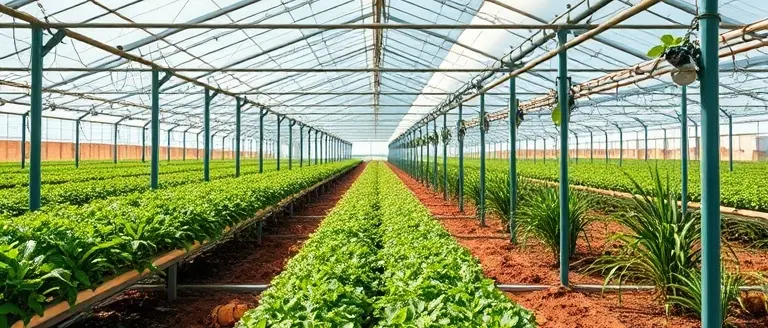
As meteorological agencies highlight the severity of the 2026 super el nino forecast, moving from alarm to proactive resilience is essential for stakeholders, agricultural producers, and local communities. With reports suggesting potential 3°C warming thresholds and significant threats to global food security, the emphasis must shift toward robust risk management strategies. Strengthening the global supply chain and bolstering local agricultural infrastructure are no longer secondary concerns; they are primary components of disaster risk reduction.
Strategies for Agricultural Resilience
For producers, the priority lies in adaptive farm management. Implementing drought-resistant crop varieties and upgrading irrigation efficiency can buffer against the rainfall irregularities inherent in high-intensity climate cycles. Stakeholders should prioritize the following actions to mitigate volatility:
- Diversification of Supply Sources: Reduce dependence on single-region inputs to prevent total stock depletion during localized climate anomalies.
- Enhanced Storage and Silo Capacity: Increasing on-site storage for grains and essential commodities provides a buffer against temporary logistical bottlenecks.
- Data-Driven Planting Cycles: Utilize real-time climate monitoring from agencies like NOAA to adjust planting and harvesting schedules, minimizing exposure to predicted heat spikes.
Strengthening Community and Supply Chain Infrastructure
Beyond the farm gate, systemic fortification is required. Communities in high-risk zones—particularly in regions historically vulnerable to El Niño-induced flooding or arid conditions—should invest in modular infrastructure that can withstand extreme weather events. Supply chain managers should conduct comprehensive stress tests on logistics networks to identify “weak links” that could exacerbate food shortages. By focusing on resource conservation and long-term infrastructure investment, we can dampen the socio-economic impacts that threaten 36 million people, ensuring that essential goods reach those most in need even as the global climate undergoes this historic shift.
Securing Your Future: From Forecasts to Action
The 2026 Super El Niño forecast serves as a definitive signal: the climate landscape is changing, and the time for passive observation has passed. While global agencies and governments work to manage the macro-level socio-economic impacts, true resilience is forged in the home. Whether it is reinforcing your property against extreme weather or building secure, climate-controlled storage for essential supplies, taking control of your physical environment is the most effective way to mitigate uncertainty.
Preparedness is not merely about stockpiling; it is about building the infrastructure that allows you to weather the storm. This is where Ted’s Woodworking becomes an essential component of your climate readiness toolkit. By providing access to over 16,000 professional-grade blueprints, this library removes the guesswork from critical home-hardening projects. From custom-built storage systems to structural reinforcements, you gain the technical certainty required to secure your home to professional standards, ensuring your family is shielded from the volatility ahead.
Don’t wait for the weather to force your hand. Leverage these precise technical blueprints to transform your living space into a stronghold of self-reliance today, ensuring you have the time and resources protected when it matters most.
 Access the 16,000-plan library today and build the custom storage or safety structures you need to secure your home for the 2026 climate outlook.Secure My Home Today!