

As Tropical Storm Bertha churns through the Gulf of Mexico, residents across the northern Gulf Coast—from the beaches of Florida to the Texas coastline—are once again faced with the sobering reality of the 2026 Atlantic hurricane season. With government-issued tropical storm warnings in effect, the focus has shifted from daily routines to urgent safety preparations. While meteorologists monitor the storm’s trajectory, wind speeds, and potential for storm surges, the public is left grappling with a singular, pressing concern: how to best protect their homes and families when the winds begin to howl.
Understanding the difference between a tropical storm watch and a warning is more than just a matter of terminology; it is a critical step in assessing your immediate risk and insurance requirements. Beyond the immediate need for sandbags and supplies, the arrival of Bertha acts as a vital wake-up call for long-term home hardening. True resilience requires more than just reacting to the current forecast—it demands a strategic approach to structural reinforcement that keeps your property safe not just today, but throughout the remainder of this volatile season and beyond.
Current Status: Tropical Storm Bertha in the Gulf of Mexico

As of July 22, 2026, Tropical Storm Bertha is actively churning through the northern Gulf of Mexico, marking a significant weather event for the Atlantic hurricane season. According to the latest data from the National Hurricane Center (NHC), the storm is maintaining a steady trajectory toward the northern Gulf Coast, bringing threats of storm surge, heavy rainfall, and dangerous gusty winds. Meteorological updates indicate that Bertha is currently moving at a moderate forward speed, with sustained wind speeds that place it firmly in the tropical storm category. Residents across the impact zone are urged to monitor real-time forecast updates closely as the system’s interaction with the coastline continues to evolve.
Areas Under Tropical Storm Warnings
Official government-issued tropical storm warnings are currently in effect for several vulnerable coastal regions. Authorities have prioritized safety across the following areas:
- Coastal Alabama: Local officials have initiated emergency protocols, including beach closures and sandbagging operations, to mitigate the risks of localized flooding.
- Florida Panhandle: Residents are advised to prepare for tropical-storm-force winds and significant coastal erosion as the system approaches.
- Texas Coastal Regions: Despite the storm’s current position, specific portions of the Texas coast remain under high-alert monitoring due to the potential for outer rain bands and unpredictable shifts in the storm’s path.
The immediate focus for those in the path of tormenta tropical bertha should be on securing loose outdoor items and finalizing evacuation plans if advised by local emergency management. Given the high-urgency nature of this weather system, the public is encouraged to rely on official meteorological channels for specific localized evacuation orders and safety instructions rather than unverified social media updates. As Bertha progresses, the risk of flash flooding and marine hazards remains elevated; residents should prioritize personal safety by staying away from flooded roadways and following instructions from local authorities until the system officially clears the region.
Live Tracker and Impact Projections

As of July 22, 2026, the tormenta tropical bertha is actively tracking through the northern Gulf of Mexico, bringing significant atmospheric instability to the coastal United States. Residents across Alabama, Florida, and Texas must remain vigilant as current meteorological data indicates a trajectory that brings sustained tropical storm warnings to these regions. Experts are tracking the storm’s movement using satellite imagery and Doppler radar to provide real-time trajectory adjustments, as the system interacts with warmer Gulf waters, which may influence both speed and intensity.
Projected Meteorological Impacts
The primary concern regarding the tormenta tropical bertha involves the combination of high-velocity wind gusts and localized flash flooding. Based on current forecast models, the following impacts are projected for the impacted coastal corridor:
- Storm Surge Potential: Low-lying coastal zones may experience a surge of 2 to 4 feet above tide levels, particularly during high tide cycles.
- Rainfall Totals: Meteorologists expect widespread rainfall accumulation between 4 to 8 inches, with isolated areas possibly seeing higher amounts that could trigger significant flash flooding in urban centers.
- Wind Gust Projections: Sustained winds are currently within tropical storm force parameters, but sudden gusts could exceed 50-60 mph, posing a risk to power infrastructure and loose outdoor items.
Zones to Monitor for Flooding
Public safety officials have identified specific high-risk areas that are particularly vulnerable to inundation. Residents in these zones should prioritize finalizing safety preparations, such as securing sandbags and monitoring local emergency broadcasts:
- Alabama Coastline: Low-lying communities near Mobile Bay should prepare for rapid water rise due to surge dynamics.
- Florida Panhandle: Areas with poor drainage and coastal streets are at high risk for localized pooling.
- Texas Gulf Coast: Municipalities currently under tropical storm warnings should exercise caution, as saturated soil conditions from previous weather events may exacerbate runoff.
Monitor official National Hurricane Center (NHC) updates frequently. If you are in a designated warning zone, prioritize immediate safety measures over property preservation as the system nears landfall.
Public Safety and Emergency Preparations

As Tropical Storm Bertha tracks across the northern Gulf of Mexico, residents in Alabama, Florida, and Texas must prioritize immediate safety measures. Official meteorological updates indicate a high risk of storm surge, heavy rainfall, and gusty winds, necessitating proactive disaster mitigation. Local authorities have already mandated beach closures and are encouraging residents in low-lying areas to secure their property before weather conditions deteriorate. If you are located in a designated flood zone, monitor local emergency alerts continuously to determine if evacuation orders have been issued for your specific zip code.
Essential Preparedness Steps
To protect your household, focus on securing the physical structure of your home and organizing emergency supplies:
- Secure Outdoor Hazards: Bring in patio furniture, garden tools, trash cans, and decorative items that could become dangerous projectiles in high winds.
- Flood Mitigation: Use sandbags to protect doorways and garage thresholds. If time permits, elevate critical documents and electronics to higher shelves or a second floor.
- Emergency Kits: Ensure your “go-bag” is packed with at least three days of non-perishable food, one gallon of water per person per day, flashlights, extra batteries, and a battery-powered weather radio.
- Transportation Readiness: Keep your vehicle’s fuel tank full. Identify the nearest evacuation routes provided by your county’s emergency management office, as traffic congestion may occur if mandatory evacuations are ordered.
Understanding Official Warnings
It is vital to distinguish between a tropical storm watch and a warning. A watch means conditions are possible within 48 hours, while a warning—which is currently in effect for several coastal regions—means tropical-storm-force winds are expected within 36 hours. During this critical window, verify the location of your nearest public shelter if your home does not meet building safety codes. Do not wait for conditions to worsen before acting; finishing your preparations during daylight hours is the most effective way to ensure the safety of your family and property during the passage of Tropical Storm Bertha.
Essential Hurricane Preparedness Checklist
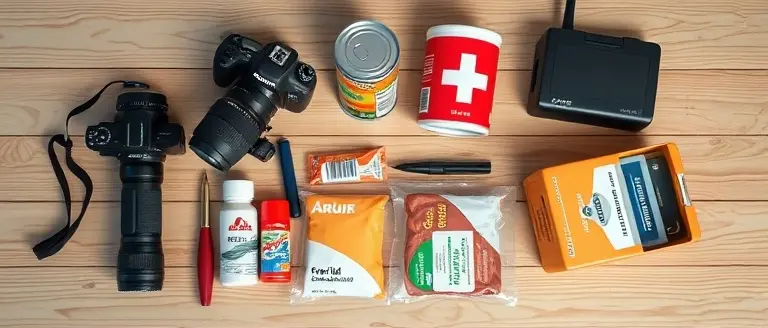
As Tropical Storm Bertha impacts the northern Gulf Coast, residents in affected regions must prioritize immediate safety and long-term readiness. Whether you are facing potential isolation due to localized flooding or the threat of extended power outages, having a well-organized emergency kit is the most effective way to mitigate risks. Preparedness is not merely about stockpiling goods; it is about ensuring your household remains functional and safe when standard utilities and supply chains are disrupted.
Emergency Supply Essentials
To build a resilient emergency plan, focus on the “72-hour rule,” which suggests you should have enough supplies to be self-sufficient for at least three days. Ensure your kit is stored in a portable, waterproof container that is easily accessible in case of an emergency evacuation order.
- Water Supply: Aim for one gallon of water per person per day for at least three days, intended for both drinking and sanitation.
- Non-Perishable Food: Stock up on canned proteins, energy bars, and dry goods that require no refrigeration or cooking. Do not forget a manual can opener.
- Power and Light: Keep multiple heavy-duty flashlights and a battery-powered or hand-crank weather radio on hand. Ensure your portable chargers are fully charged to keep mobile devices operational for emergency updates.
- Medical Needs: Maintain a two-week supply of vital prescription medications, along with a stocked first-aid kit, pain relievers, and antiseptic wipes.
- Documentation: Safeguard important documents—such as insurance policies, identification, and medical records—inside a sealed, waterproof plastic bag or a fire-resistant safe.
Household Safety Protocols
Beyond physical supplies, establish a communication plan with family members. If Tropical Storm Bertha brings heavy rainfall or gusty winds to your area, clear your yard of loose debris like patio furniture or potted plants that could become projectiles. Should power fail, refrain from using generators indoors or in enclosed garages to prevent carbon monoxide poisoning. By taking these methodical steps now, you can better navigate the storm’s path and ensure your family is protected against the unpredictable nature of the 2026 Atlantic hurricane season.
Take Command of Your Home’s Resilience
As Tropical Storm Bertha continues to challenge the Gulf Coast, it serves as a stark reminder that reactive measures like sandbagging are only a temporary defense. True peace of mind comes from long-term home hardening, ensuring that your property can withstand the increasing intensity of modern storm seasons. Preparing for the next weather event isn’t just about watching the radar; it is about taking active, structural steps to fortify your sanctuary against high winds and driving rain.
While standard storm shutters can be costly and difficult to source during a crisis, you have the power to create professional-grade, custom-fitted reinforcements yourself. By building structural shields and specialized barriers, you move from passive anxiety to active protection, significantly increasing your home’s resistance to debris and storm damage. This is the ultimate form of hurricane preparedness—transforming your living space into a hardened, resilient fortress.
Don’t wait for the next alert to realize you are underprepared. Gain the skills and designs necessary to fortify your property with precision-engineered solutions today.  Build your own custom storm-ready reinforcements today with these professional-grade blueprints. Yes, I Want to Secure My Home Now!