
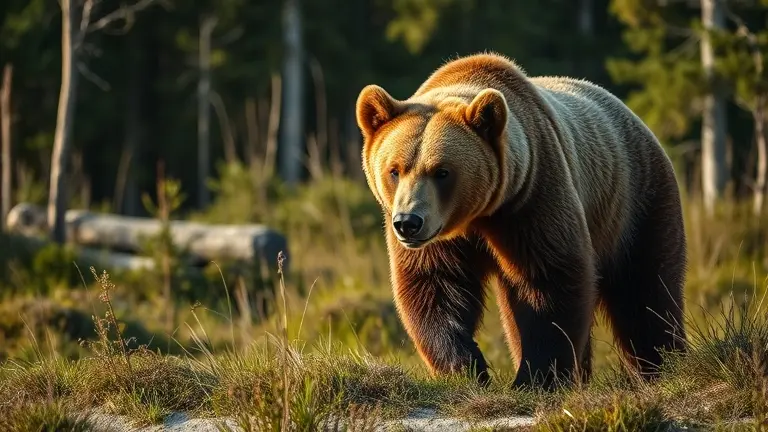
The image is mesmerizing: a trail-cam snapshot from the rugged wilds of the Yukon capturing a massive grizzly bear, its paws tipped with rare, ghostly white claws. It is a striking reminder of the raw, untamed beauty that still exists in North America. Yet, as this viral footage circulates alongside sober headlines detailing tragic incidents in Glacier and Chugach, a vital question emerges for every outdoor enthusiast: How do we coexist with such power without becoming part of the narrative? The reality of the wilderness is a delicate balance between awe and acute vulnerability.
Recent safety reports have sparked a necessary conversation about the realities of grizzly bear encounters. While the media often highlights the fear factor, the truth is that most incidents are born from surprise, not malice. True safety isn’t found in staying home; it is found in superior preparation. From mastering the mechanics of bear spray to implementing rigorous, DIY-hardened gear storage, we can transform our approach to wilderness exploration, moving away from reactive anxiety and toward proactive, expert-driven readiness.
The Dual Reality of the Grizzly: From Viral Sightings to Essential Safety

In July 2026, the public fascination with the grizzly bear has reached a fever pitch, driven by two starkly different narratives. On one hand, the wilderness of the Yukon has gifted us with a rare, awe-inspiring glimpse into nature’s diversity: a grizzly captured on trail-cam footage possessing striking, distinct white claws. This viral sighting serves as a poignant reminder of the majesty inherent in North American apex predators, sparking curiosity among wildlife enthusiasts and researchers alike regarding rare genetic traits within bear populations.
However, this romanticized view of the wilderness must be balanced with the sobering reality of recent safety incidents. The tragic May 2026 fatal encounter in Glacier National Park, alongside a recent brown bear attack near Chugach State Park in Alaska, has triggered a necessary surge in public anxiety. These events serve as a critical inflection point for hikers and backcountry travelers. When exploring these landscapes, it is vital to reconcile the beauty of the grizzly with the reality of its defensive nature.
Why Balancing Awareness Matters
While sightings of unique wildlife are a privilege, they underscore the need for constant, evidence-based vigilance. Understanding the dual nature of these animals—as both protected natural wonders and powerful, unpredictable creatures—is the first step toward responsible wilderness exploration. To navigate this summer season safely, hikers should adopt a mindset of proactive caution rather than reactionary fear.
Key pillars for safely coexisting with grizzly bears include:
- Situational Awareness: Always remain alert to your surroundings, particularly in dense brush or near moving water where bears may not hear your approach.
- Preparedness: Carrying bear spray is not optional in grizzly country; it is a critical safety tool that requires prior practice for effective deployment.
- Group Travel: Evidence consistently suggests that hiking in groups of three or more significantly reduces the risk of a surprise encounter.
- Evidence-Based Behavior: Recognize that most aggressive incidents are defensive responses to human surprise, rather than predatory intent, reinforcing the need to make noise and avoid traveling at dawn or dusk.
By bridging the gap between our fascination with viral wildlife spectacles and the rigorous demands of backcountry safety, we can ensure that our appreciation for the North American wilderness remains both respectful and secure.
Understanding Grizzly Behavior: Why Vigilance Matters in 2026
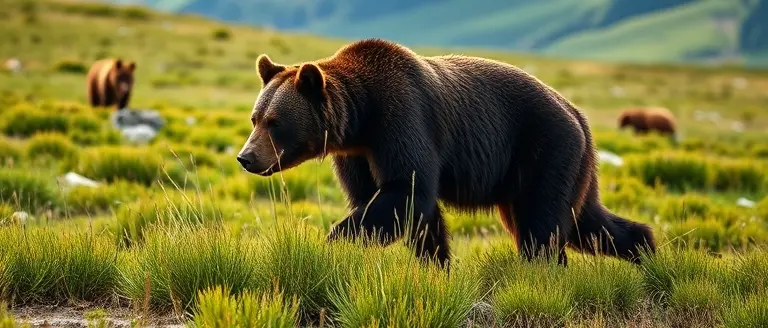
As we navigate the peak hiking season of 2026, understanding grizzly bear behavior is more critical than ever. Recent high-profile encounters—ranging from viral sightings of unique specimens to tragic safety incidents in places like Glacier and Chugach—highlight the thin line between wildlife appreciation and dangerous conflict. Grizzlies are not inherently malicious; they are apex predators driven by biological imperatives, primarily the need to forage, conserve energy, and protect their young. During the mid-to-late summer months, bears are often preoccupied with hyperphagia—a period of intense feeding to pack on fat for winter. When hikers inadvertently surprise a bear preoccupied with food or maternal instincts, the animal’s defensive survival mechanism can trigger a physical reaction.
The Dynamics of Bear Territory
The increased frequency of human-bear interactions is largely a byproduct of overlapping habitats. To coexist safely in bear country, visitors must respect the ecological boundaries of these animals.
- Surprise Encounters: Most defensive attacks occur when a bear feels startled at close range. Loud, human-generated noise, such as talking or singing, helps signal your presence early.
- Territorial Instability: Mother grizzlies with cubs are hyper-vigilant, and their defensive instincts are magnified during the summer, making them significantly more prone to charging if they perceive a threat.
- Foraging Distractions: A bear focused on a berry patch or a carcass is less aware of its surroundings. Being aware of your environment—and avoiding areas with fresh scat or tracks—is your first line of defense.
By prioritizing situational awareness, hikers can move through the wilderness with confidence rather than fear. Respecting a grizzly’s need for space is the fundamental rule of National Park hiking safety. Vigilance is not about expecting an attack, but about understanding the biological drivers of the animals you share the landscape with, ensuring that both human explorers and local wildlife remain safe throughout the season.
Your Summer 2026 Safety Kit: Essential Protocols for Hikers
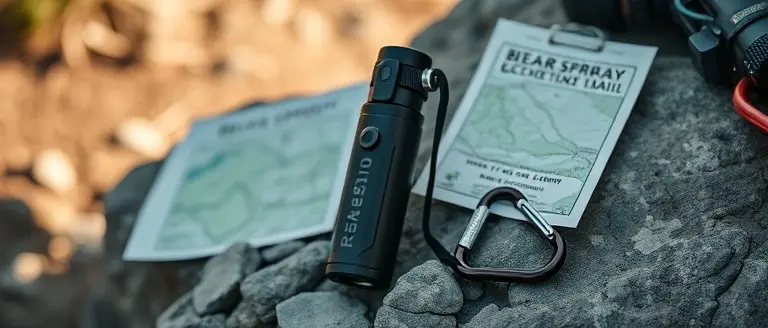
As peak summer hiking season hits its stride, the recent uptick in wildlife sightings—including the viral Yukon grizzly with rare white claws—serves as a timely reminder of the wild nature of the North American landscape. While the beauty of these animals is undeniable, responsible wilderness exploration requires rigorous preparation. Whether you are navigating the backcountry of Glacier National Park or exploring Alaskan trails, your safety hinges on proactive measures rather than reactionary panic.
Essential Bear Safety Equipment
Carrying the right gear is non-negotiable. Bear spray is your most effective deterrent, but only if it is accessible. A canister buried at the bottom of a pack is useless in a surprise encounter.
- Accessibility: Use a dedicated hip holster or a chest-mounted harness. Ensure the safety clip is easy to remove with one hand under stress.
- Practice: Regularly practice drawing the canister and firing a short test burst to understand the spray pattern and distance.
- Maintenance: Check the expiration date on your canister before every trip; pressurized propellants lose effectiveness over time.
Strategic Trail Behavior
The most dangerous encounters often occur when a bear is surprised at close range. By modifying how you move through the wilderness, you drastically reduce your risk profile.
- Hike in Groups: Larger groups are noisier and present a more significant presence to a grizzly bear, making them less likely to be approached.
- Make Noise: Call out periodically, especially near rushing water, dense brush, or blind corners, to avoid startling an animal.
- Check Advisories: Before setting foot on a trail, consult the latest ranger reports. Local agencies often provide real-time updates on active bear activity or temporary trail closures.
- Secure Your Gear: Never leave food or scented items unattended. Use bear-resistant canisters or designated food lockers to ensure you do not attract wildlife to campsites or trailheads.
By integrating these evidence-based safety protocols into your summer excursions, you move from a state of anxiety to a position of prepared, confident stewardship of the outdoors.
In the Field: Best Practices for Grizzly Encounters

Encountering a grizzly bear in the wild is an awe-inspiring experience, but it requires immediate, calm, and deliberate action to ensure safety. Whether you are trekking through the backcountry or navigating popular trails in Glacier National Park, understanding the difference between defensive and non-defensive behavior is critical. Most grizzly attacks are triggered by surprise encounters; when a bear feels threatened or is protecting cubs or a food source, its instinct is to neutralize the perceived threat.
Managing a Surprise Encounter
If you encounter a grizzly unexpectedly, your primary objective is to signal that you are not a threat. Do not run, as this may trigger the bear’s predatory chase instinct. Follow these expert-verified protocols:
- Remain Calm and Stand Your Ground: Speak to the bear in a low, monotone, and calm voice. This helps the bear identify you as a human rather than prey.
- Avoid Direct Eye Contact: Intense eye contact is often perceived by bears as a challenge or a threat. Keep your head slightly averted while keeping the bear in your peripheral vision.
- Back Away Slowly: Move away slowly in a diagonal direction. Never turn your back on the animal. If the bear follows you, stop and stand your ground again.
- Deploy Bear Spray Correctly: Keep your bear spray accessible on your belt or chest—never inside your pack. Remove the safety clip and aim slightly downward in front of the bear, creating a cloud of deterrent between you and the animal. Most evidence suggests that a two-second burst is sufficient to deter an approaching bear.
Assessing Defensive Behavior
If the grizzly displays signs of agitation, such as huffing, jaw-popping, or swatting the ground, it is warning you to leave. If the bear charges, hold your ground until the final second before discharging your spray. Should physical contact occur, you must protect your vitals. Use your hands to protect the back of your neck, lie flat on your stomach, and spread your legs to make it harder for the bear to flip you over. By staying informed and maintaining high situational awareness, you can minimize risk and coexist responsibly with these apex predators.
Mastering Your Wilderness Safety Protocol
True wilderness confidence isn’t just about reacting to a bear encounter; it is about proactive preparation before you ever leave home. While understanding grizzly behavior and carrying deterrents like bear spray are foundational, the most critical safety layer is ensuring your gear and food sources remain impenetrable to wildlife, effectively neutralizing the curiosity that leads to dangerous surprise encounters.
By hardening your basecamp, you significantly reduce the risk factors that draw grizzlies to your site. This is where your personal readiness meets professional-grade engineering. Utilizing expert-verified, custom construction plans allows you to build specialized bear-resistant food caches and secure gear storage that outshines generic, store-bought alternatives. It transforms your safety strategy from a passive hope into an active, tangible defense system tailored exactly to your equipment.
You are the architect of your own safety in the backcountry. Whether you are prepping for a weekend in Glacier or a remote Alaskan trek, having the right blueprints is your greatest asset in creating a secure, bear-proof environment. Take the final step in your preparedness journey today by accessing the exact tools required to protect your gear and master your campsite security.
 Download the Ultimate Wilderness DIY Planning Library to build your own bear-resistant gear protection and master your campsite safety.Yes, I Want to Secure My Basecamp Now!