
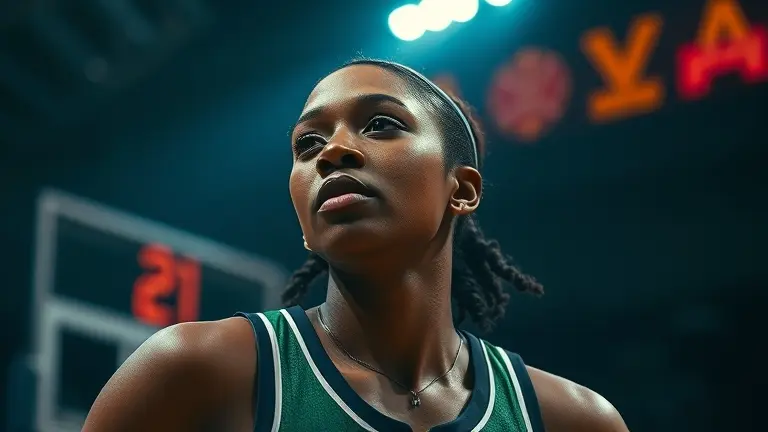
In the high-stakes arena of the WNBA, few figures have commanded the cultural and commercial spotlight quite like Caitlin Clark. As of July 2026, the Indiana Fever phenomenon is navigating a defining intersection in her career: she has shattered boundaries by becoming the first WNBA player to grace the global cover of NBA 2K27, a milestone that underscores her status as the face of basketball’s next generation. Yet, this meteoric rise is not without its turbulence. Her strategic choice to decline the 2026 WNBA 3-point Contest has sparked a firestorm of debate, pitting the harsh reality of athlete workload management against the insatiable expectations of a global fanbase.
Beyond the highlights and the headlines, Clark sits at the center of a profound shift in sports consumption. Whether it is her record-breaking TV viewership or the ongoing, often heated discourse surrounding officiating and playstyle, Clark is effectively stress-testing the modern WNBA infrastructure. To truly understand the gravity of her impact, we must look beyond the stat sheet and examine the immense cognitive and physical demands required to sustain excellence at this level. This is not just a story of talent; it is a masterclass in navigating professional pressure.
The Caitlin Clark Effect: A Summer of Records, Covers, and Controversy
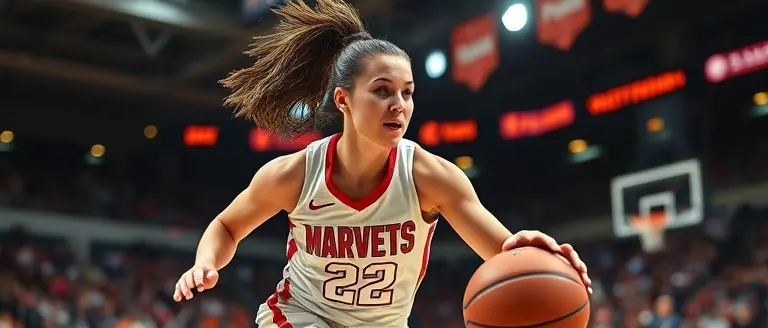
As of July 2026, Caitlin Clark occupies a singular space in the American sports zeitgeist, acting as the primary engine for the WNBA’s unprecedented growth. Her influence is currently defined by a “triple-threat” of media narratives: her historic selection as the first female athlete to grace the global cover of NBA 2K27, her strategic decision to skip the WNBA 3-point contest, and a intensifying public debate regarding her physical playstyle and the league’s officiating standards. While these events have generated massive engagement, they have also highlighted the growing pains of a league transitioning into a mainstream entertainment juggernaut.
The Marketing Power of a Global Icon
The decision to feature Caitlin Clark on the cover of NBA 2K27 marks a watershed moment for sports marketing. By bridging the gap between digital gaming culture and professional basketball, the move has solidified her status as the league’s primary brand ambassador. However, the promotional rollout—which sparked heated discourse over the use of AI-generated imagery—mirrors the wider, often polarized nature of her career.
Navigating Workload and Public Expectations
Her choice to withdraw from the 2026 WNBA 3-point contest serves as a focal point for the tension between fan desires and athlete welfare. While some critics labeled the move as “ducking the smoke,” a more objective analysis suggests a calculated focus on workload management. With Indiana Fever games consistently shattering TV viewership records, the physical and mental demands on Clark are at an all-time high. Key takeaways from this current discourse include:
- Commercial Dominance: The 2K27 partnership signals that the WNBA’s market value is now directly tied to individual superstar branding.
- Performance Analytics: The “flopping” and physicality debates have led to deeper scrutiny of officiating, forcing the league to address how it protects its marquee talent.
- Viewership Trends: Data from recent broadcasts confirms that regardless of individual controversy, the “Caitlin Clark Effect” remains the most reliable driver of ratings in women’s professional sports.
Ultimately, Clark’s summer of 2026 demonstrates that in the modern era, the “face of the franchise” must navigate not only on-court excellence but also the relentless pressures of a digital-first media environment.
Prioritizing Longevity: Why Clark Stepped Back from the 3-Point Contest

The decision by Caitlin Clark to decline an invitation to the 2026 WNBA 3-point contest has ignited a firestorm of debate across social media, with critics unfairly labeling the move as “ducking the smoke.” However, a closer look at the physical demands placed on the Indiana Fever superstar reveals a calculated professional decision centered on long-term sustainability. As a high-usage player who anchors her team’s offense, Clark’s workload has been relentless. In the modern era of professional basketball, where player empowerment and injury prevention are paramount, choosing to prioritize recovery over an exhibition event is an increasingly common strategy used by the league’s elite to protect their longevity.
The Economics of Physical Recovery
For a player of Clark’s caliber, the physical toll of a condensed WNBA schedule is significant. Between travel demands, rigorous practice sessions, and maintaining record-breaking TV viewership figures, the risk of burnout is tangible. By opting out of the 3-point contest, Clark is not demonstrating a lack of competitiveness; she is acknowledging the reality of a demanding season. Key factors supporting her decision include:
- Mitigating Cumulative Fatigue: High-intensity shooting drills require specific muscle engagement that can exacerbate existing micro-injuries accumulated during regular-season play.
- Strategic Load Management: Professional athletes increasingly view off-court exhibition appearances as an additional tax on their physical reserves, which are better preserved for the playoff push.
- Prioritizing Team Success: The focus remains on the Indiana Fever’s primary objectives, where her presence on the floor during competitive games carries significantly more weight than success in a standalone skill showcase.
Ultimately, Clark’s choice mirrors the career management styles of legendary athletes who understood that playing fewer, higher-quality minutes is more beneficial than participating in every event. While fans naturally want to see the league’s brightest stars at every opportunity, viewing her absence through the lens of performance science suggests that protecting her health is the smartest move for both her career and the long-term health of the WNBA brand.
Beyond the Court: The Cultural Milestone of NBA 2K27

The selection of Caitlin Clark as the global cover athlete for NBA 2K27 marks a watershed moment in the intersection of professional sports and interactive digital entertainment. By becoming the first WNBA player to achieve this distinction, Clark has effectively bridged the gap between traditional basketball fandom and the massive, tech-driven gaming culture that characterizes the modern sports landscape. This commercial milestone does more than provide aesthetic appeal; it serves as a powerful validation of the WNBA’s growing influence, signaling to global markets that women’s basketball is a premier pillar of sports entertainment.
Shaping the Future of Sports Marketing
The inclusion of a female athlete on the global cover of a multi-million-selling franchise carries significant weight for long-term brand growth. Marketing experts view this move as a strategic expansion of the “face of the franchise” concept, placing Clark alongside historical icons of the sport. The cultural impact of this decision includes several key developments:
- Mainstream Normalization: Elevating the WNBA to the global stage of 2K27 forces the gaming community to engage with women’s basketball as a standard component of professional hoops, rather than a separate, secondary entity.
- Economic Validation: Sustained visibility through a marquee video game title reinforces the viability of league-wide marketing, proving that female stars can drive consumer engagement at the same scale as their NBA counterparts.
- AI and Digital Representation: While the transition to digital cover art has sparked debates regarding AI-generated imagery and authenticity, the discourse itself highlights the intense, hyper-focused attention currently directed toward every facet of Clark’s brand identity.
Ultimately, the 2K27 cover slot positions Caitlin Clark not just as a talented guard for the Indiana Fever, but as a global icon whose reach extends well beyond the hardwood. As the league continues to see record-breaking viewership, this gaming milestone serves as both a reflection of her current star power and a catalyst for future investment in the sport’s digital footprint.
The Numbers Don’t Lie: Decoding the Viewership Surge

The arrival of Caitlin Clark in the WNBA has fundamentally altered the economic landscape of women’s professional basketball. Industry analysts often refer to the “Clark Effect,” but the data suggests this phenomenon is more than just a passing trend—it is a sustainable shift in television viewership and commercial interest. Indiana Fever games have consistently shattered internal broadcast records, often outperforming high-profile matchups featuring established league dynasties. By tracking game-day metrics against historical league averages, it is evident that the demand for Fever content has created a new baseline for WNBA reach across both linear networks and streaming platforms.
This economic surge is supported by several key performance indicators:
- Broadcast Dominance: Games featuring Clark frequently rank as the most-watched events in WNBA history, with peak concurrent viewership often doubling the figures recorded by league leaders from previous seasons.
- Arena Economics: The impact is not limited to digital screens; arena attendance has seen a historic uptick. Visiting teams frequently report sell-outs or record-breaking attendance figures specifically tied to the arrival of the Indiana Fever, directly increasing revenue for host franchises.
- Engagement Multipliers: Beyond live broadcast numbers, social media sentiment analysis and search volume spikes during game nights indicate a massive, highly engaged audience that bridges the gap between traditional basketball fans and a younger, digitally native demographic.
When comparing these figures to the league’s historical performance, the delta is undeniable. While the WNBA had been trending upward in popularity prior to her professional entry, Caitlin Clark has served as a catalyst that accelerated this growth trajectory by several years. Objective metrics demonstrate that her presence on the court provides a tangible lift to the entire ecosystem, forcing a re-evaluation of media rights valuations and marketing strategies for the league at large. The sustaining nature of these numbers, even amidst ongoing debates regarding her playstyle, proves that the market appetite for her brand of basketball remains at an all-time high.
Physicality and the Whistle: A Statistical Analysis of WNBA Officiating

The discourse surrounding Caitlin Clark and the physical nature of the modern WNBA has reached a fever pitch, often centering on whether current officiating standards adequately protect high-usage perimeter players. To understand this tension, one must look at the evolution of league play. As the game has shifted toward a perimeter-oriented, high-pace style—often driven by the gravity Clark exerts on defenses—the disparity between standard physical play and “dangerous” contact has become a focal point of debate. Statistical trends indicate that while the volume of fouls remains consistent with previous seasons, the nature of these calls has shifted toward contact initiated during off-ball movement and transition screens, areas where star guards are most vulnerable.
The Impact of Rule Enforcement on High-Usage Players
Data suggests that the “whistle” in the WNBA is currently struggling to keep pace with the league’s rapid increase in offensive efficiency and player speed. For athletes like Clark, who lead the league in offensive usage and distance traveled per game, the cumulative impact of physical “dead-ball” contact—often labeled by critics as overly aggressive—creates a complex officiating challenge.
Key factors contributing to the heated debate include:
- The “Landing Zone” Protocol: Recent scrutiny of how referees interpret contact during perimeter jump shots, specifically regarding the freedom of movement for shooters.
- Transition Physicality: The increased use of “tactical fouling” or heavy-contact screens by defenders attempting to disrupt the flow of high-octane offenses.
- Consistency of Application: The perceived variance in how officials manage the game between the first and fourth quarters, which often leads to accusations of uneven enforcement.
Ultimately, the debate is not merely about “flopping” or soft play; it is a fundamental clash between traditional, rugged WNBA defensive norms and the modern mandate to protect the league’s most marketable playmakers. As viewership reaches record levels, the pressure on the league to standardize officiating becomes paramount. Evidence suggests that for the WNBA to maintain its current momentum, the balance between rewarding tough defense and protecting offensive superstars will remain the most critical metric for long-term growth and brand integrity.
Optimizing Your Own Cognitive Edge
Caitlin Clark’s ability to remain the focal point of the basketball world—despite the physical toll of a relentless schedule and the intense mental burden of public scrutiny—is a testament to the importance of peak cognitive performance. Just as elite athletes like Clark must prioritize recovery and sharpen their focus to maintain high-level decision-making under fire, fans and analysts alike need a strategy to process the complexities of modern sports. High-level analysis requires more than just passion; it requires deep, sustained concentration and a mind free from the fatigue of information overload.
This is where The Brain Song serves as an indispensable tool for the modern enthusiast. By integrating science-backed auditory stimulation into your routine, you can mirror the professional-grade focus needed to decode the nuances of the game at the highest level. It is designed to act as a cognitive recovery tool, offering an innovative way to achieve the mental clarity required to stay engaged with the analytical evolution of professional sports, whether you are breaking down playstyles or keeping pace with the rapid growth of the league.
Positioning your brain for peak performance is the ultimate advantage in a fast-paced world. By reclaiming your focus, you move from merely observing the game to truly understanding the strategic depth that defines champions like Clark. Start your journey toward superior mental acuity today.
 Experience the same mental clarity and cognitive edge that top-tier analysts use to decode the game; start your daily 12-minute audio routine with The Brain Song today.Unlock My Cognitive Potential Now!