
Are you one of the millions of Americans currently checking your medicine cabinet for the recent Cetirizine Hydrochloride recall? On July 20-21, 2026, Rising Pharma Holdings issued a nationwide voluntary recall of specific lots of 5 mg Cetirizine tablets due to potential cross-contamination with ranitidine. This alert has understandably sparked significant concern, as many users rely on this medication for daily allergy relief. If you are worried about your current supply, you are not alone; the key is to remain calm, verify your packaging immediately, and follow official FDA protocols to ensure your household is protected.
This guide serves as your central resource for navigating this health alert without the confusion of fragmented news reports. We have simplified the verification process so you can quickly identify if your bottle is affected and understand exactly what to do next. Beyond the immediate recall steps, we will also explore how to prioritize your long-term respiratory and sinus health, helping you reduce your reliance on standard medications and move toward a more natural, proactive wellness routine.
Understanding the Rising Pharma Cetirizine Recall

On July 20-21, 2026, Rising Pharma Holdings initiated a voluntary nationwide recall of specific batches of Cetirizine Hydrochloride Tablets (5 mg). This health alert, which has triggered widespread attention, stems from a confirmed case of cross-contamination discovered during pharmacy processing. A diligent pharmacy technician identified a potential drug mix-up, leading to the identification of ranitidine—a medication previously used for gastrointestinal issues—within the packaging meant exclusively for the allergy antihistamine. While the incident remains isolated to four specific lots, the FDA and the manufacturer have moved swiftly to pull these products from distribution channels across the United States to ensure consumer safety.
What Cross-Contamination Means for Consumers
The term “cross-contamination” can be alarming, but it is important to understand the scope of this allergy medication recall. In this context, it signifies that trace elements or actual units of a different pharmaceutical substance were inadvertently introduced into the manufacturing or packaging line for cetirizine. For individuals who are highly sensitive to ranitidine or other ingredients, the risk of an unintended reaction is the primary concern driving this recall.
To help consumers navigate this situation, consider the following key facts:
- Targeted Scope: This is not a total recall of all cetirizine hydrochloride products. Only four specific lots manufactured by Rising Pharma Holdings are impacted.
- Pharmacy Detection: The issue was caught at the retail level, demonstrating the effectiveness of pharmacy safety protocols in preventing large-scale distribution of compromised medication.
- Verification Protocol: Patients using generic allergy tablets should check their packaging for specific lot numbers provided by the manufacturer. If your medication does not match these specific lots, it is not part of this cetirizine recall.
It is essential for patients to remain calm and verify their medication status by checking the lot numbers found on the product bottle or blister pack. If you discover that your medication belongs to one of the affected lots, refrain from further use and contact your pharmacist or healthcare provider for guidance on safe disposal or potential replacements. Maintaining accurate records of your medication lot numbers is the most reliable way to ensure you are not affected by this or any future allergy medication recalled 2026 updates.
Urgent Checklist: How to Identify Affected Medication Lots
If you currently have Cetirizine Hydrochloride Tablets (5 mg) in your medicine cabinet, it is important to remain calm but proactive. This allergy medication cross contamination recall affects a very specific subset of products manufactured by Rising Pharma Holdings. It is vital to understand that this is not a blanket recall of all cetirizine or Zyrtec products; only four specific production lots are impacted by the potential presence of ranitidine.
Where to Find Your Lot Number
To determine if your medication is part of the allergy medication recalled 2026 initiative, you must locate the lot number on your packaging. Manufacturers typically print this information in one of two places:
- The Outer Box: Check the bottom flap of the cardboard carton.
- The Medication Bottle: Inspect the label near the barcode or along the lower edge of the bottle.
The lot number is usually a string of alphanumeric characters clearly marked near the expiration date. If your packaging is damaged or the lot number is illegible, contact your pharmacy, as they maintain records linked to your specific prescription or purchase.
Confirmed Recalled Lot Numbers
As of the current health alert, the following four lots of Cetirizine Hydrochloride 5 mg tablets are subject to the nationwide recall:
- [Insert Lot Number 1]
- [Insert Lot Number 2]
- [Insert Lot Number 3]
- [Insert Lot Number 4]
Note: Please verify your bottle against these specific identifiers. If your lot number does not appear on this list, your product is not part of the current safety action.
If you confirm that your medication matches one of these affected lots, discontinue use immediately. Do not discard the medication in household trash until you have consulted with your pharmacist regarding return procedures or safe disposal. Protecting your health is the priority, and cross-referencing your supply against these official records is the most effective way to ensure your safety.
Safety Protocols: What to Do If You Have Already Taken the Medication

Discovering that you have ingested allergy medication subject to a cross-contamination recall can be understandably alarming. If you realize you have taken a dose from one of the affected lots of Cetirizine Hydrochloride tablets, the most important step is to remain calm and evaluate your current health status. While the potential for cross-contamination with ranitidine is a serious regulatory concern, most individuals will not experience immediate adverse reactions. However, because this allergy medication recalled 2026 event involves specific safety risks, it is essential to monitor your body for any unusual symptoms or unexpected side effects.
Immediate Steps for Your Health
If you are concerned about potential exposure from the cetirizine recall, prioritize your well-being with these actionable steps:
- Observe Your Symptoms: Pay close attention to any new or persistent symptoms. If you experience unexpected reactions, contact your primary care physician or a medical professional immediately to discuss your history and the specific medication you consumed.
- Consult Your Doctor: Before making any drastic changes to your daily health regimen, consult your healthcare provider. Do not abruptly cease other necessary treatments without medical guidance, as maintaining your allergy management is important.
- Secure the Medication: Place the remaining tablets in a safe, labeled container out of reach of children or other household members. Keep the original packaging, as it contains critical identifying information like the lot number, which may be needed for professional verification or return processes.
- Seek Medical Care: If you experience severe symptoms, seek emergency medical attention. Always have your medication information ready to show medical staff so they can confirm the nature of the cetirizine product and the associated recall details.
By staying proactive and keeping your medical team informed, you can manage the risks associated with this allergy medication recalled situation safely and effectively. Your pharmacist is also a valuable resource during this time; they can often provide guidance on how to safely dispose of the specific cetirizine hydrochloride units or explain the store’s return policy for affected lots.
Official Resources and Next Steps for Verification

If you suspect your medication is part of the allergy medication cross contamination recall, the most reliable way to verify your product is by consulting official channels. Consumers should visit the FDA’s official Enforcement Report database or their dedicated recall page to cross-reference the lot numbers on their specific packaging. While news outlets provide essential coverage, the FDA portal remains the primary source of truth for the most accurate and up-to-date data regarding cetirizine hydrochloride batch numbers. We strongly encourage all users to bookmark the official FDA MedWatch page, where you can sign up for email alerts regarding any allergy medication recalled 2026 or other pharmaceutical safety notifications.
How to Manage Returns and Disposal
Once you have confirmed that your bottle is affected, do not continue to use the medication. The recommended process for handling an allergy medication recalled product is as follows:
- Return to Retailer: Most pharmacies and retailers will accept the return of affected items for a full refund or replacement. Ensure you have your receipt if possible, though many stores may waive this requirement given the nature of the safety alert.
- Safe Disposal: If returning the product to the store is not feasible, do not simply discard the pills in the trash. Utilize the FDA’s guidance on “Drug Disposal” or drop off the medication at a local authorized drug take-back site or pharmacy collection bin to ensure it is handled correctly.
- Contact the Manufacturer: For specific questions regarding the Rising Pharma Holdings recall, consumers can contact the company directly via their provided customer service channels listed on their official website.
By taking these proactive steps, you contribute to your own health security. Always consult your healthcare provider or pharmacist if you have concerns about the accidental ingestion of cetirizine mixed with other substances. Maintaining vigilance regarding your medication supply is the best way to avoid complications during this recall period.
Take Control of Your Long-Term Respiratory Health
Navigating an urgent medication recall is understandably stressful, but by following these verification steps, you can ensure your medicine cabinet is safe and compliant. Prioritizing your health starts with acting quickly to identify and remove any affected lots, while simultaneously opening a dialogue with your pharmacist about secure alternatives. Remember, your safety remains the highest priority, and being informed is your best defense against unnecessary health risks.
As you work to purge your medicine cabinet of these affected lots, many of our readers are also asking how to better support their natural respiratory and sinus defenses so they aren’t as reliant on these medications in the future. Focusing on your internal microbiome is a game-changer for those who find themselves constantly reaching for antihistamines during allergy season.
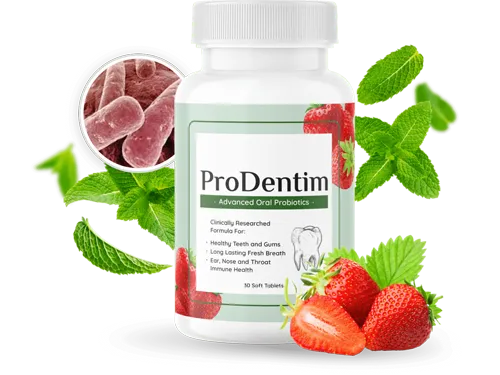
ProDentim offers a unique, science-backed approach to supporting the oral and respiratory microbiome, helping you maintain a healthy sinus environment naturally. By optimizing your system from the inside out, you can reduce your overall dependency on pharmaceutical interventions that, as we have seen, come with their own set of unpredictable risks. It is time to shift from reactive medication use to proactive, long-term wellness.
 Discover a natural way to support your sinus health and breathe easier every day by clicking here.Transform My Respiratory Health Today!