

The latest NYC weather forecast has once again placed the entire Tri-State area under a critical flood watch, leaving residents on edge as they brace for another wave of severe thunderstorms. Following a weekend that saw streets in Queens submerged and public transit crippled, the reality of living in a vulnerable urban landscape is impossible to ignore. For many, checking the weather in New York has transformed from a daily habit into a nerve-wracking exercise in risk assessment, as flash flooding becomes a recurring threat to both homes and daily commutes.
While minute-by-minute updates are essential for navigation and immediate safety, it is time to move beyond the screen and look at the physical vulnerability of our living spaces. Understanding the infrastructure challenges of your borough is the first step toward true preparedness. In this guide, we break down actionable strategies to mitigate urban flood impacts, providing you with the practical steps needed to turn your home into a fortified defense against the rising tide of climate uncertainty.
Current Weather Alert: Severe Storms and Flood Watches for NYC

As of July 21, 2026, the National Weather Service has issued a widespread flood watch affecting all five boroughs of New York City and the surrounding Tri-State region. Following the intense weekend storms that resulted in significant localized infrastructure damage, particularly across parts of Queens, residents must prepare for a second, more expansive wave of severe activity. Meteorological data indicates that this volatile weather pattern is shifting, bringing the threat of flash flooding and severe thunderstorms directly into the path of the metropolitan area. The urgency of this situation cannot be overstated, as the ground remains saturated from previous rainfall, significantly increasing the risk of rapid surface flooding.
Key Risks and Expected Impact
Residents should remain vigilant as Tuesday approaches, with meteorologists tracking the potential for “punishing rain” that could overwhelm urban drainage systems. The following factors are critical for those navigating the NYC weather situation today:
- Flash Flood Threat: Low-lying areas and known flood-prone neighborhoods are at the highest risk. If you live in a basement apartment, monitor local news outlets for immediate evacuation orders.
- Infrastructure Disruptions: Expect significant delays across transit networks. Weather conditions are likely to impact both MTA subway lines and major commuter rail services.
- Property Protection: Ensure that drains and gutters are clear of debris. Residents in flood-prone zones should elevate valuable items and secure outdoor furniture that could become hazardous during high winds.
Current updates confirm that this is a rapidly evolving event. Because this weather in New York remains highly unstable, it is essential to rely on official channels rather than speculative social media reports. Keep your mobile devices charged and monitor real-time local alerts, as conditions are expected to deteriorate quickly on Tuesday. Prioritizing safety by limiting non-essential travel is strongly recommended until the system has fully cleared the region.
Hyper-Local Impact: Subway Delays and Flood-Prone Neighborhoods

As the current flood watch continues to intensify across the five boroughs, the weather NYC pattern is placing significant strain on the city’s aging transit infrastructure. Commuters are advised to prioritize real-time updates from the MTA, as flash flooding frequently leads to rapid, localized service suspensions. Current evidence suggests that low-lying stations, particularly those in areas with poor drainage, are at the highest risk of track flooding. During severe storms, the subterranean nature of the system makes it a primary collection point for street-level runoff, often resulting in significant delays on lines that transition from tunnels to elevated structures.
Transit Vulnerabilities and Affected Areas
Historical data and current reports indicate that commuters should exercise extreme caution when traveling through these high-risk zones:
- Queens (Low-lying corridors): Neighborhoods such as Woodside, Flushing, and parts of Jamaica remain the most susceptible to street-level flash flooding, often leading to temporary bus route diversions and station closures.
- Subway Lines to Monitor: The B, D, F, and N lines frequently experience “slow-speed” orders or partial suspensions during heavy rainfall. Always check the official MTA dashboard before heading underground.
- Surface Transit: Bus commuters should anticipate significant delays as “punishing rain” creates pooling on major arterial roads, rendering some bus lanes temporarily impassable.
For those navigating the city, the current weather New York conditions require a shift in travel strategy. Avoid attempting to traverse flooded street corners or subway stairwells where water appears to be accumulating rapidly. If you are commuting, favor above-ground transit options when possible, as these provide better visibility of environmental hazards. Stay informed by monitoring live-blogging updates provided by major city outlets, as transit conditions can shift from “minor delays” to “service suspended” in under 15 minutes during peak downpours. Planning ahead remains the most effective way to mitigate the risks associated with this volatile NYC weather event.
Essential Safety Guidelines for Flash Flooding
Given the volatile weather patterns currently impacting the Tri-State area, residents must prioritize proactive safety measures. As NYC weather conditions shift rapidly, understanding how to respond to a flood watch can be a life-saving necessity. Urban environments like New York City present unique challenges, particularly regarding subway infrastructure and basement apartment safety. When authorities issue a flash flood warning, every second counts. If you are caught in a flood-prone area, avoid walking or driving through flooded streets; even six inches of moving water can knock an adult off their feet or destabilize a vehicle.
Emergency Preparedness and Immediate Action
For those navigating the city, ensure you are registered for Notify NYC, the city’s official emergency communication system, to receive real-time alerts regarding transit disruptions and street closures. If you are caught in a vehicle during a surge, do not attempt to drive through deep water; if the vehicle stalls, exit immediately and move to higher ground.
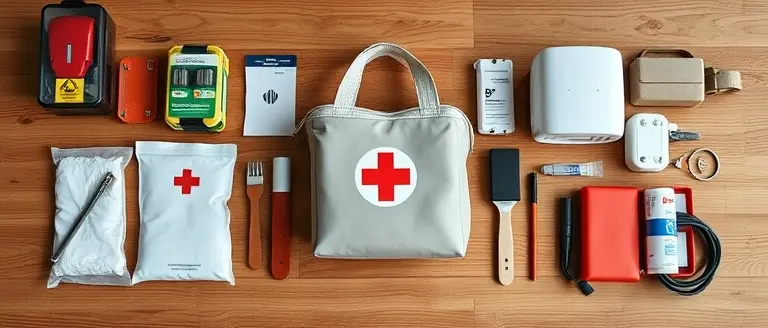
To ensure you are prepared for the next wave of weather in New York, keep an emergency “go-bag” accessible at all times. Essential items should include:
- Digital copies of important documents: Keep these on an encrypted cloud service or a waterproof USB drive.
- Portable power bank: A fully charged, high-capacity battery is vital for maintaining communication.
- Non-perishable snacks and water: Enough for 24 hours of self-sufficiency.
- Personal hygiene items and basic first aid: Include necessary prescription medications.
- Flashlight with extra batteries: Essential for potential power outages in residential buildings.
If you reside in a basement or ground-level unit, identify your nearest exit routes and discuss an evacuation plan with your building manager. By monitoring weather NYC updates from official channels, you can better anticipate risk and protect your household before conditions deteriorate further. Always prioritize personal safety over property protection when flood watches are active.
Navigating Flood Zones: Real-Time Maps and Resources

As volatile weather NYC patterns persist, understanding your specific risk profile is critical for resident safety. The NYC flood hazard map serves as the primary tool for homeowners and tenants to determine their vulnerability to surging waters. To access these resources, visit the official NYC Flood Hazard Mapper portal, where you can input your exact address to see if your residence lies within a designated evacuation zone or a high-risk area prone to flash flooding. By reviewing these maps, you can better prepare for the current flood watch and understand why certain neighborhoods in Queens and Brooklyn face recurring infrastructure challenges.
Essential Real-Time Tracking Tools
Beyond static maps, staying informed during a severe weather event requires access to live data feeds. You should monitor the following resources to track current conditions and infrastructure impacts:
- Notify NYC: This is the city’s official source for emergency alerts. Sign up for texts or emails to receive immediate updates regarding street closures and subway disruptions.
- MTA Service Status: Always check the MTA website or app for real-time alerts on subway flood delays, as station-level flooding can occur rapidly during downpours.
- National Weather Service (NWS) NYC: Monitor their official page for the latest updates on severe thunderstorms and the duration of any active flood watch.
- NYC OEM Dashboard: Utilize the New York City Emergency Management dashboard for visual data on active emergencies and high-water incidents across the five boroughs.
When navigating weather New York updates, prioritize official, verified channels over social media rumors. If you live in a basement apartment or a low-lying coastal zone, identify your closest elevated path well before the next wave of rain begins. By integrating these digital resources into your emergency plan, you can shift from reactive panic to proactive safety management as this ongoing weather event unfolds.
Taking Control of Your Home’s Resilience
As NYC weather patterns continue to evolve, relying solely on real-time alerts is no longer enough to safeguard your property. While monitoring the latest flood watch is vital for immediate safety, building resilient, flood-resistant home infrastructure is the most effective way to protect your assets long-term. Transitioning from reactive anxiety to proactive preparation is the only way to stay ahead of the next storm.
This is where your personal readiness becomes your greatest defense. Instead of waiting for costly contractors, you can take control of your home’s physical security today. Ted’s Woodworking offers an essential emergency preparedness toolkit, providing 16,000 professional blueprints that empower you to build custom flood-mitigation structures, such as elevated storage platforms and reinforced barriers, with precision and ease.
By leveraging these foolproof, DIY-friendly plans, you are not just securing your living space; you are investing in peace of mind. Whether you need to build protective window covers or raised storage for valuables, these designs provide the technical solution to recurring climate threats, ensuring your home remains a sanctuary regardless of what the forecast predicts.
 Build your own flood-mitigation defenses today: Get instant access to 16,000 professional blueprints and start securing your NYC home.Yes, I Want to Secure My Home Now!