
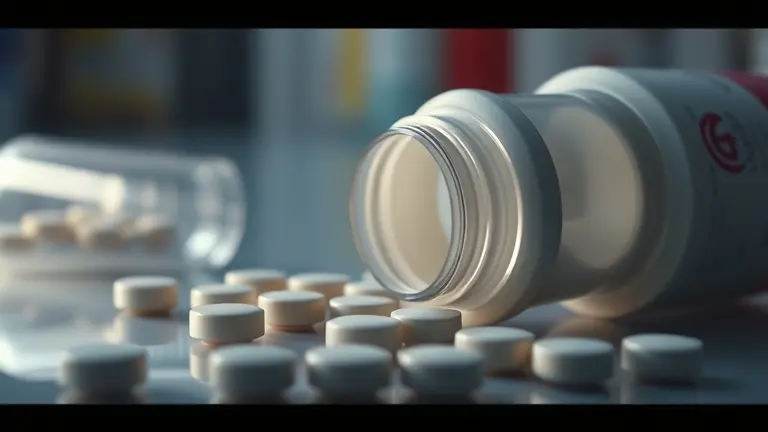
On July 21, 2026, a critical public health alert was issued following the discovery of potentially life-threatening cross-contamination in commonly used antihistamine tablets. This nationwide allergy medication recall affects four specific lots, raising immediate concerns for consumers who rely on these products for daily relief. The presence of trace amounts of ranitidine—a substance previously linked to serious health risks—has prompted urgent warnings from health officials. If you or a loved one regularly use antihistamines, it is imperative to stop consumption immediately and verify your current supply against official pharmacy records.
This situation serves as a stark reminder of the complexities within pharmaceutical manufacturing and the importance of vigilance when managing your health. Beyond the headlines, thousands of households are now left wondering how to safely identify these compromised products and what steps to take next. This guide is designed to provide you with a clear, actionable pathway to ensure your medicine cabinet is safe, offering the essential information you need to protect your wellbeing and make informed decisions about your ongoing respiratory and sinus care.
Urgent Safety Alert: Nationwide Allergy Medication Recall (July 21, 2026)
On July 21, 2026, a significant nationwide allergy medication recall was officially initiated, impacting four specific lots of a widely distributed antihistamine tablet. This urgent safety action follows the discovery of potential cross-contamination reported by a vigilant pharmacy technician. Preliminary investigations have confirmed that the affected medication tablets may contain trace amounts of ranitidine, a pharmaceutical agent previously utilized in heartburn medications but currently subject to rigorous safety scrutiny due to stability and impurity concerns.
Health authorities and regulatory bodies have classified this contamination as a potentially life-threatening risk. This designation is particularly critical for consumers who live with specific hypersensitivities or underlying health conditions that could be exacerbated by inadvertent exposure to ranitidine. Because the medication was distributed through mainstream retail channels, the recall has prompted immediate public alarm across the United States.
Why Ranitidine Cross-Contamination is a Serious Health Risk
The presence of ranitidine in antihistamine products is considered a major failure in manufacturing protocols. Historically, ranitidine has been flagged for its propensity to degrade into unsafe substances over time, which complicates the safety profile for patients relying on clean, uncontaminated allergy relief.
- Risk Mitigation: Patients are urged to cease use of the affected product immediately to prevent further exposure.
- Identification: The recall is limited to four specific production lots. Consumers should prioritize checking their medicine cabinets against the manufacturer’s list of affected lot numbers.
- Consultation: If you have ingested medication from the impacted lots, seek medical guidance promptly, especially if you experience adverse reactions or have known history of severe drug sensitivities.
While investigations into the root cause of the manufacturing cross-contamination remain ongoing, the current priority is the swift removal of these products from household supplies and pharmacy shelves nationwide. Accurate identification of your medication is the single most important step you can take today to ensure your ongoing safety.
Recall Quick-Guide: How to Identify Affected Lots
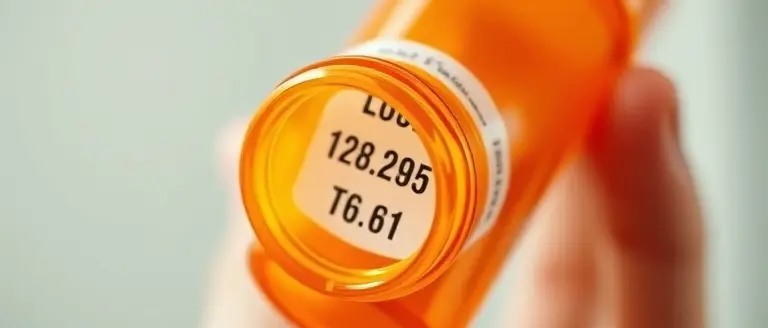
If you are concerned that your allergy medication recalled status impacts your household, the most immediate step is to physically inspect your product packaging. On July 21, 2026, health authorities issued a critical alert regarding four specific lots of antihistamine tablets found to be contaminated with ranitidine. Because this cross-contamination poses a potentially life-threatening risk, verify your supply using the steps below before ingesting any further doses.
Where to Locate Product Identifiers
Most pharmaceutical packaging displays critical tracking information on the bottom flap of the outer cardboard box or printed directly onto the foil backing of the blister pack. Do not rely on the store receipt, as these often lack specific manufacturing identifiers. Look for a series of numbers and letters labeled as “Lot Number,” “Batch,” or “LOT.”
Checklist for Identifying Affected Lots
To confirm if your medication is part of the nationwide recall, compare your packaging data against the official manufacturer criteria:
- Locate the Lot Number: Search for an alphanumeric string on the side or bottom panel of the container.
- Cross-Reference: Compare this number against the four specific lots flagged by the manufacturer. If your lot number matches one of the identified segments, do not consume the tablets.
- Check Expiration Dates: While the primary focus is on the lot number, note the expiration date. If your product is within the dates cited in the official FDA recall announcement, it is safer to return the medication regardless of visual appearance.
- Visual Inspection: While trace contamination of ranitidine is often invisible to the naked eye, inspect the tablets for any unusual discoloration or structural crumbling. If the tablets appear inconsistent with previous purchases, discontinue use immediately.
If you cannot find a clear lot number or the packaging is damaged, contact your local pharmacist. They maintain access to the latest pharmaceutical databases and can scan the product’s UPC code to confirm its safety status instantly. Protecting your health requires vigilance, and confirming your medication’s safety is the most reliable way to mitigate the risks associated with this contamination event.
Steps to Take If You Have Consumed the Product

If you discover that you have ingested allergy medication recalled due to ranitidine cross-contamination, it is essential to remain calm while taking immediate, structured steps to protect your health. While panic is an understandable reaction to the news of a “potentially life-threatening” contaminant, most adverse reactions can be managed effectively if addressed promptly by a healthcare professional. First, discontinue the use of the affected medication immediately. Do not attempt to finish the remainder of the prescription or take additional doses, even if your allergy symptoms persist. Store the remaining tablets in a secure, dry place away from children and pets until you have clear instructions from your pharmacist regarding disposal or return.
Immediate Medical Guidance
Contact your primary care physician or a licensed pharmacist as soon as possible to report your ingestion of the contaminated lot. Provide them with the specific lot number found on your medication packaging, as this information is vital for their clinical assessment. When consulting with your medical provider, be prepared to share the following:
- The approximate date and time you consumed the medication.
- Any physical symptoms you have experienced since ingestion, such as unexpected abdominal pain, nausea, dizziness, or allergic reactions.
- A list of any other medications you are currently taking, which may interact with the trace substances identified in the recall.
Monitor your health closely over the next 48 to 72 hours. While reports indicate the contamination involves trace amounts of ranitidine, individuals with specific hypersensitivities may be at higher risk for side effects. Seek immediate emergency medical attention if you experience symptoms of a severe allergic reaction, such as difficulty breathing, swelling of the face or throat, or rapid heart rate. Do not wait for symptoms to worsen; professional medical advice is the most reliable way to navigate the risks associated with this pharmaceutical recall. Your healthcare provider can determine if diagnostic testing or a change in treatment plan is necessary based on your personal medical history.
How to Safely Return or Dispose of Recalled Medication
If you find that your medicine cabinet contains the allergy medication recalled due to ranitidine cross-contamination, you must take immediate action to mitigate health risks. Even if you have consumed the product and feel symptom-free, you should discontinue use immediately. Ranitidine, when present as an unintended impurity, poses stability concerns that may trigger severe hypersensitivity reactions in vulnerable individuals. Consumption should be halted because the potential for a life-threatening reaction is not always correlated with the quantity ingested; rather, it relates to the individual’s physiological sensitivity to the contaminant.
Steps for Returning or Disposing of Recalled Products
To protect yourself and others, follow these standardized protocols for handling affected pharmaceutical lots:
- Do Not Consume: Regardless of your current health status, cease taking the tablets immediately. Place the bottle in a secure location away from children or pets while you arrange for disposal.
- Return to Pharmacy: The most effective way to manage the recall is to return the affected units to the place of purchase. Most pharmacies are prepared to offer a full refund or a safe, non-recalled alternative upon verification of the lot number. Bring your receipt if available, though many retailers are honoring returns for identified lots without one.
- Safe Disposal Guidelines: If returning the medication to a pharmacy is not possible, do not simply flush the tablets down the toilet or throw them in the trash where they could be scavenged. Use an FDA-recommended drug take-back site or mix the medication with an unpalatable substance—such as used coffee grounds or cat litter—seal it in a container, and place it in your household trash.
- Consult Your Healthcare Provider: If you have ingested any amount of the recalled medication, contact your primary care physician to report the exposure, especially if you have a history of complex allergies or pre-existing cardiovascular conditions.
By removing these products from your home, you eliminate the risk of accidental ingestion during future allergy flare-ups. Always verify that your replacement medication is not part of the current safety alert by checking the manufacturer’s official website or consulting your pharmacist before beginning a new regimen.
Reclaiming Your Health Naturally
Navigating a medical recall can be an unsettling experience, highlighting the fragility of relying solely on synthetic solutions for everyday health management. Now that you have cleared your cabinet of the recalled products, you might be looking for a more natural, holistic approach to supporting your respiratory health without the risks associated with synthetic pharmaceuticals. It is the perfect time to shift your focus from reactive symptom management to proactive, foundational wellness.
By prioritizing the health of your oral and upper respiratory microbiome, you can foster a body that is inherently more resilient. ProDentim stands out as a unique, natural solution, specifically formulated to support the very systems often compromised by pharmaceutical reliance. Unlike standard treatments, it works to naturally reduce inflammation and soothe sinus congestion by balancing your internal defense systems, effectively serving as a long-term ‘probiotic upgrade’ for your wellbeing.
Choosing to move away from potentially hazardous chemicals is a powerful step toward reclaiming your health. ProDentim offers the peace of mind you deserve, allowing you to support your respiratory system using science-backed, natural ingredients. Take control of your long-term health today and discover the benefits of a more natural approach to sinus and respiratory support.
 Support your respiratory system naturally: Discover the science behind ProDentim here.Yes, I Want to Restore My Health Now!