
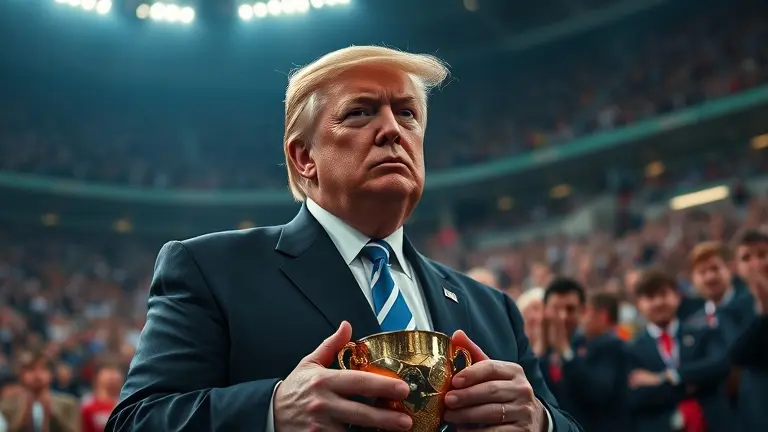
The 2026 FIFA World Cup final at MetLife Stadium was meant to be a pinnacle of international sporting diplomacy, yet the images from the trophy ceremony have sparked a firestorm that transcends the game of soccer. When President Donald Trump joined FIFA President Gianni Infantino on the pitch following Spain’s 1-0 victory over Argentina, the atmosphere shifted instantly. What followed was a wave of audible boos from the stands—a raw, visceral reaction that has since fueled intense online debate. This event has rapidly evolved from a standard trophy presentation into a high-stakes case study on political polarization, the limitations of official digital narratives, and the complex protocol of hosting global dignitaries in an increasingly fractured American landscape.
As footage of the crowd’s reaction circulated and reports emerged regarding FIFA’s decision to crop President Trump from official victory photos, observers were left to navigate a minefield of conflicting media portrayals. Was this a genuine expression of public sentiment, or a carefully managed digital narrative? Understanding this incident requires moving beyond the viral soundbites and examining the intersection of sports etiquette, political optics, and the digital tools used to frame our perception of global history. In an era where media manipulation is as common as the game itself, discerning the reality behind the lens has never been more critical for the informed spectator.
The 2026 World Cup Final Incident: A Timeline of the Trophy Ceremony
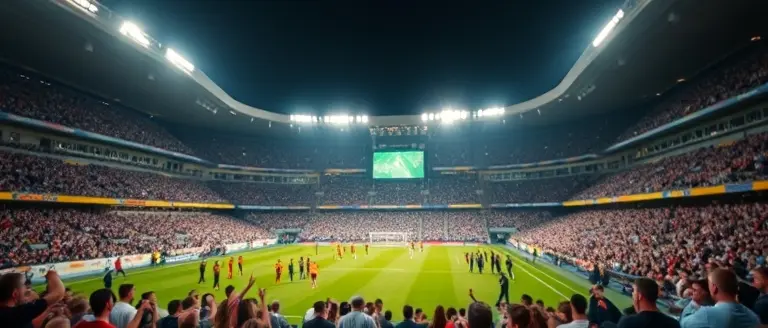
The 2026 FIFA World Cup final, held at MetLife Stadium in New Jersey, culminated in a historic 1-0 victory for Spain over Argentina. While the match itself was a masterclass in tactical play, the post-match ceremony became the focal point of international media discourse. Following the final whistle, President Donald Trump descended to the pitch to participate in the official trophy presentation, a standard diplomatic gesture for the host nation’s leader. Alongside FIFA President Gianni Infantino, the President moved to the temporary stage erected on the turf. However, as he appeared on the stadium’s massive screens, the atmosphere shifted perceptibly.
Audible reports and various videos circulating online confirm that the President was met with significant, widespread booing from the crowd as he approached the podium. The reaction, which was clearly captured by broadcast microphones, persisted throughout his interaction with the players and officials. The following sequence provides a factual breakdown of the event:
- Final Whistle: Spain secures a 1-0 win, setting the stage for the medal ceremony.
- The Appearance: President Trump enters the field alongside FIFA leadership to oversee the ceremony.
- The Crowd Reaction: Upon his introduction and physical arrival at the stage, a loud, sustained chorus of boos emanates from the stands at MetLife Stadium.
- Trophy Presentation: Despite the audible disapproval from segments of the crowd, the ceremony proceeded according to standard protocol, with the President assisting in the distribution of medals to the Spanish team.
The intensity of the negative reception has led to a high volume of public interest, with many seeking video evidence of the event to verify the scale of the reaction. This moment has sparked intense debate regarding the role of political figures in high-stakes international sporting events. The controversy was further fueled by reports that official FIFA social media accounts subsequently shared edited versions of the celebration photographs, effectively cropping the President out of the frames where he appeared with the victors. This digital curation has raised questions about the intersection of sports, diplomacy, and modern narrative management in the age of global, instantaneous media consumption.
Analyzing the 2026 World Cup Political Controversy: Crowd Sentiment and Optics
The appearance of President Donald Trump at the 2026 FIFA World Cup final at MetLife Stadium underscored a significant collision between global sporting traditions and the realities of domestic political polarization. When the President stepped onto the pitch to participate in the trophy presentation alongside FIFA President Gianni Infantino, the immediate, audible trump world cup boo from the crowd became the defining narrative of the evening. Unlike standard sporting rivalries where stadium noise is directed toward the opposing team or referee decisions, this incident was distinctly political, serving as a visceral reflection of the deep-seated divisions within the United States.
Interpreting Crowd Dynamics and Media Optics
The viral spread of the trump booed at world cup 2026 video served as a digital catalyst, allowing millions to dissect the intensity of the reaction in real-time. Analysts distinguish this event from historical precedents—where presidents typically received respectful, if sometimes mixed, welcomes—by noting the unique visibility of the trump booed at world cup 2026 sentiment on social platforms. The atmosphere appeared to transcend casual sports fandom, reflecting a broader public response to the intersection of political presence and international diplomacy. Key observations regarding the incident include:
- Digital Narrative Control: The subsequent reports that FIFA social media accounts actively cropped the President out of official photos highlighted a shift in how sports governing bodies manage political optics.
- Global vs. Domestic Impact: The presence of the spain president and international dignitaries created a high-stakes environment where any sign of public dissent was broadcast to a global audience of millions.
- Standardized Protocol vs. Reality: While FIFA protocol mandates the involvement of heads of state, the reaction suggests a growing tension when high-profile figures attend non-political global spectacles.
The “cropping controversy” functions as a critical case study in digital narrative management. By opting to omit the President from victory imagery, FIFA effectively navigated a diplomatic tightrope, though the decision only intensified public curiosity regarding the original, unedited footage. Ultimately, the event confirms that modern sporting venues in the U.S. now serve as high-visibility forums for public feedback, challenging traditional notions of how political leaders should engage with the world’s most popular sport.
Digital Narrative Control: The FIFA Trophy Ceremony Cropping Incident
The aftermath of the 2026 FIFA World Cup final at MetLife Stadium sparked a debate that extended far beyond the pitch, centering on FIFA’s digital curation of official imagery. Following the moment when President Donald Trump was audibly booed while participating in the trophy presentation for the Spanish national team, observers noted a stark discrepancy between global broadcast footage and the images shared via FIFA’s official social media channels. In several widely circulated posts, the President was conspicuously cropped out of frames that otherwise featured the Spanish players and FIFA President Gianni Infantino. This digital exclusion has led to intense speculation regarding narrative control and the extent to which global governing bodies attempt to sanitize political optics during high-stakes international events.
Implications of Strategic Image Editing
The incident serves as a significant case study in modern media management. While international sporting organizations typically maintain a veneer of political neutrality, the decision to alter images—whether for aesthetic focus or to avoid the viral association of Trump being booed at the World Cup 2026—suggests a calculated approach to managing brand sentiment. Key observations from this digital incident include:
- Broadcast vs. Curated Media: Independent broadcast footage captured the full, unedited reality of the stadium’s reaction, creating a “truth gap” between live viewers and those relying solely on official FIFA social media feeds.
- Corporate Neutrality: The controversy highlights the pressure on organizations like FIFA to navigate the intersection of high-level diplomacy and volatile public sentiment.
- The “Censorship” Narrative: By cropping the President out, FIFA inadvertently fueled a separate wave of scrutiny, as digital-native audiences are quick to compare raw footage against official agency photographs to verify the sequence of events.
Ultimately, the cropping controversy demonstrates that in the digital age, “official” archives are no longer passive records. Instead, they act as strategic assets that global bodies utilize to curate their public image. As viewers increasingly demand transparency, the reliance on digital narrative control risks undermining the perceived authenticity of the global game, especially when official documentation appears to deliberately omit prominent figures present at the venue.
Video Verification: Assessing the Intensity of the Crowd Reaction
In the aftermath of the 2026 FIFA World Cup final at MetLife Stadium, the digital landscape was flooded with inquiries seeking video verification of the crowd’s response to President Donald Trump. As reports surfaced regarding the trump booed at world cup 2026 incident, numerous verified primary sources, including broadcast feeds and fan-captured mobile footage, confirmed a sustained, audible negative reaction from a significant portion of the spectators during the trophy presentation ceremony. These videos, which circulated rapidly across social media platforms, captured the precise moment the President joined FIFA President Gianni Infantino on the field, providing concrete evidence of the intensity of the noise that reverberated through the stadium.
Technical analysis of the available media indicates a high-decibel reaction that was difficult to mistake for standard crowd ambient noise. News outlets such as Yahoo Sports and USA Today have corroborated these accounts, noting that the volume of the response created a distinct interruption during the formal medal presentation. When reviewing the trump booed at world cup 2026 video footage, analysts point to several factors that clarify the crowd’s sentiment:
- Audio Clarity: The microphones positioned near the stage captured clear, non-rhythmic booing rather than the celebratory cheers typically associated with high-stakes international sporting events.
- Synchronicity: The reaction intensified specifically as the President appeared in the visual frame alongside the world cup trophy, signaling a direct correlation between his presence and the crowd’s vocal disapproval.
- Broadcast Integrity: While some viewers speculated about potential audio balancing by broadcasters, the consistency across multiple, independent camera angles—ranging from network feeds to amateur smartphone captures—renders the event an objective reality rather than a product of post-production editing.
For those analyzing the intersection of political polarization and global athletics, these recordings serve as a definitive record. The viral nature of the event was further compounded by the subsequent controversy surrounding official photography, which saw FIFA cropping the President out of key frames. This digital narrative control, when juxtaposed with the visceral audio evidence, highlights the challenges organizations face when attempting to maintain neutral ground during high-profile political appearances at major sporting venues.
Navigating the Noise of Modern Political Optics
The controversy surrounding President Trump at the 2026 World Cup serves as a potent reminder that in our hyper-connected world, objective reality is often obscured by the lens of political narrative. Whether it is the intensity of the boos or the calculated cropping of images, the digital environment we consume is designed to sway perception rather than inform. To remain an independent thinker, one must develop the mental resilience to filter through this editorialized noise, distinguishing between verified events and the tactical framing that surrounds them.
In an era where digital narratives are meticulously cropped and framed to influence our perception, maintaining high cognitive clarity is the ultimate defense against manipulation. This is where The Brain Song becomes an indispensable tool for the modern information consumer. Designed to combat the mental fatigue inherent in processing high-volume, controversial news, this non-invasive audio routine sharpens focus and enhances cognitive processing. By integrating this practice into your daily life, you gain the neuro-scientific edge needed to parse complex stories with total precision, ensuring that you remain grounded, alert, and immune to the fog of digital polarization.
Reclaim your mental clarity by mastering your ability to process the news without succumbing to the exhaustion of media manipulation. Reclaim your mental clarity today—start your 12-minute daily audio routine and process the news with total cognitive precision.
