
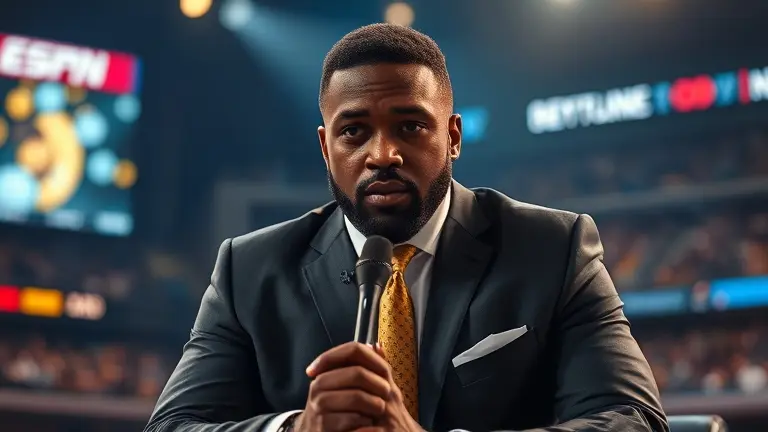
The sudden exit of Ryan Clark from ESPN on July 20, 2026, has sent shockwaves through the sports media landscape. As a cornerstone of the network’s NFL coverage for over a decade, Clark’s abrupt departure—often described in media circles as a jarring, mid-show exit—has become the focal point of a wider conversation regarding the network’s fiscal restructuring. While reports of the latest wave of ESPN layoffs have sparked intense speculation across social media, the real story goes far beyond the clickbait headlines of a career transition.
This moment serves as a professional inflection point, highlighting the complex economics of modern sports broadcasting and the evolving role of the ex-player analyst. As networks recalibrate their budgets in a tightening media economy, the pressure on top-tier talent to provide unparalleled insight while maintaining elite-level cognitive performance has never been greater. By examining Clark’s 11-year trajectory, we can better understand the shifting demands placed on those at the very top of their game—and what it truly takes to remain indispensable in an increasingly volatile professional environment.
The End of an Era: Ryan Clark’s Departure from ESPN

On July 20, 2026, the sports media landscape shifted significantly as ESPN officially parted ways with veteran NFL analyst Ryan Clark, concluding an impactful 11-year tenure at the network. This decision, confirmed by outlets such as The Athletic and Sports Business Journal, is reportedly part of a sweeping, company-wide wave of ESPN layoffs aimed at aggressive cost-cutting measures. While the network has not issued a detailed statement regarding individual exits, the timing of the departure suggests a strategic pivot in talent management and fiscal planning as the corporation faces broader industry-wide economic pressures.
The nature of the exit has drawn considerable attention due to its abruptness. Observers described an “awkward mid-show exit” that caught viewers off guard, fueling immediate viral speculation across social media platforms. Fans and media analysts alike have spent the days following the news dissecting his career trajectory, with some attempting to link the move to past on-air tensions or specific segments from his time on Monday Night Countdown. Despite the noise, it is essential to view this event through the lens of institutional restructuring rather than individual performance.
Key Factors Surrounding the Transition
- Corporate Restructuring: The move aligns with a larger corporate mandate to stabilize ESPN finances following high-profile contract negotiations in recent years.
- Economic Realignment: With Ryan Clark having reportedly secured a significant contract in 2024, the network is likely trimming high-priced talent to recalibrate its budget for the latter half of the decade.
- Industry Shift: The saturation of the NFL analyst market has forced major networks to rethink the “star-power” model, moving toward more streamlined, cost-effective broadcasting structures.
Ultimately, the departure of Ryan Clark marks a turning point for the network. As ESPN navigates these personnel changes, the focus remains on how the sports media giant will balance its long-standing legacy of high-quality analysis with the current realities of modern broadcasting economics. Whether this move represents a long-term strategy for sustainability or a temporary adjustment remains to be seen.
Defining the Modern NFL Analyst: Clark’s Professional Evolution

The transition of Ryan Clark from a hard-hitting Pittsburgh Steelers safety to a fixture at ESPN serves as a masterclass in the professionalization of the modern NFL analyst. During his 11-year tenure, Clark successfully navigated the difficult pivot from the gridiron to the broadcast booth by shedding the “hot take” persona common among former athletes in favor of a nuanced, tactical approach to the game. By blending his firsthand experience of NFL physicality with a refined ability to break down complex defensive schemes, he became a central pillar for Monday Night Countdown, offering viewers a bridge between locker-room culture and high-level strategy.
Elevating the Standard for Broadcast Excellence
Clark’s impact on sports media is defined by his commitment to rigorous preparation. Unlike commentators who rely solely on star power, Clark earned a reputation for being among the most well-researched voices in the industry. His trajectory suggests a new standard for ex-player analysts: one that demands the same level of accountability and technical literacy as veteran journalists. His work at ESPN helped reshape the network’s NFL coverage, moving the needle toward deeper analytical segments that favored depth over spectacle.
His contributions helped standardize the “analyst-as-insider” model, characterized by:
- Tactical Breakdown: Moving beyond basic play-calling to explain defensive leverage and personnel mismatches.
- Cultural Context: Leveraging his background as a former Super Bowl champion to provide human-interest insights into athlete psychology and team dynamics.
- Balanced Discourse: Maintaining professional composure while debating high-stakes NFL topics, which set a professional tone for the network’s flagship programs.
As espn ryan clark content continues to circulate following the recent corporate restructuring, observers note that his departure highlights a shifting landscape. The network’s decision—regardless of the surrounding ESPN layoffs narrative—marks a pivot away from the high-salary, premium-analyst model toward a leaner, potentially more digital-first strategy. Clark’s tenure ultimately proved that a player-turned-broadcaster could sustain a lengthy, high-impact career by prioritizing substance, setting a professional template that will likely influence future generations of analysts.
The Changing Business Model of Sports Broadcasting

The departure of Ryan Clark from ESPN is less a commentary on his individual performance and more a clear indicator of the tectonic shifts occurring within the sports media landscape. For over a decade, the network relied on a model defined by premium, high-salary contracts for marquee talent. However, the current wave of ESPN layoffs reflects a transition toward a leaner, more agile fiscal structure necessitated by the decline of traditional cable subscribers and the rising costs of broadcasting rights. By parting ways with veteran voices like Clark, who had recently secured a contract exceeding $2 million annually, ESPN is signaling a strategic pivot away from expensive, long-term talent retention toward more flexible, digital-first content creation.
The Sustainability of High-Priced Analyst Contracts
The economics of modern sports broadcasting are increasingly hostile to the “star system” that dominated the 2010s. As viewership fragments across streaming platforms and social media, networks are finding it difficult to justify multi-million dollar annual salaries for studio analysts. The exit of Ryan Clark highlights several critical pressures facing major sports networks today:
- Platform Diversification: Networks are shifting budget from linear television talent to proprietary streaming technology and short-form digital content, which often requires a different, less expensive talent profile.
- Market Saturation: The NFL analyst market is currently oversaturated, allowing networks to replace legacy voices with emerging creators who command smaller salaries while still maintaining audience engagement.
- Fiscal Responsibility: Following the 2024 contract negotiations, the industry has seen a cooling effect on talent pay. Corporations are prioritizing the bottom line, often viewing expensive analysts as legacy expenses rather than essential growth drivers.
This restructuring suggests that the era of the “lifer” analyst may be drawing to a close. As espn ryan clark discussions continue to dominate social discourse, industry analysts point to this moment as a hallmark of a broader, systemic move to preserve profit margins in a digital-first economy. The sustainability of sports media now depends on balancing high-profile branding with the realities of a shrinking cable revenue pie, leaving many veteran personalities vulnerable to the ongoing, company-wide restructuring efforts.
Legacy and What Comes Next for the Ex-Player Analyst

The departure of Ryan Clark from ESPN marks a significant inflection point in the evolution of the modern sports broadcaster. Over his 11-year tenure, Clark successfully transcended the traditional role of a former athlete, moving beyond superficial commentary to become a staple of high-profile programming like Monday Night Countdown. His career trajectory provides a blueprint for what is now known as the “Clark model”—a synthesis of rigorous tactical knowledge, unfiltered personal charisma, and a deep understanding of the athlete’s psychological state. As the industry grapples with the fallout of the latest ESPN layoffs, the exit of a high-earning talent like Clark signals a broader shift in how networks value and manage top-tier media assets in a post-cable environment.
The Changing Landscape of Sports Media
As the traditional broadcasting model faces fiscal pressure, the industry is seeing a permanent migration of talent toward decentralized platforms. The future for analysts following the Ryan Clark ESPN era will likely mirror the broader trend of athlete-led media, where individual brands often command as much authority as the networks that employ them. Factors currently reshaping the profession include:
- Diversification of Platforms: Athletes are increasingly leveraging podcasts and independent digital outlets to bypass traditional media gatekeepers, building direct audiences that provide leverage during contract negotiations.
- The Content-First Strategy: Networks are prioritizing “personality-forward” talent who can drive engagement across social media, a shift from the purely analytical, play-by-play focus of the previous decade.
- Fiscal Restructuring: The high costs associated with veteran talent are being scrutinized, leading to a leaner model where networks prioritize cost-efficiency over historical name recognition.
Clark’s legacy remains secure because he successfully bridged the gap between professional, ESPN-grade broadcast standards and the raw, conversational tone favored by modern digital audiences. While the news of Ryan Clark being fired has dominated headlines, the long-term industry impact lies in how networks scout and retain talent. As the sports media landscape continues to consolidate, the ability for an analyst to own their narrative—while maintaining the credibility Clark demonstrated—will be the defining currency for the next generation of sports media stars.
Mastering Your Mental Edge in a Volatile World
The departure of a marquee talent like Ryan Clark from ESPN serves as a stark reminder that even at the pinnacle of one’s career, the professional landscape is subject to rapid, often unpredictable shifts. While media headlines focus on the spectacle of the exit, the true lesson lies in the necessity of sustained cognitive agility. Navigating a changing career landscape requires more than just experience; it demands the mental clarity to pivot, adapt, and perform under immense pressure.
This is where your cognitive maintenance becomes your greatest competitive advantage. Just as elite analysts must process vast amounts of data in real-time, your ability to maintain sharp focus determines your trajectory in any high-stakes environment. To mirror that same level of intellectual acuity and poise, you need a strategy that goes beyond standard self-improvement.
The Brain Song offers a science-backed approach to sharpening your focus, providing the cognitive capacity needed to stay ahead of the curve. By integrating this tool into your professional development, you are not just managing your health—you are actively investing in the clarity and mental endurance required to excel during your next major career move. It is the natural step for those who refuse to compromise on their potential.
 Unlock your peak mental potential and maintain the clarity needed for your next career move with The Brain Song.Transform My Mental Performance Now!