
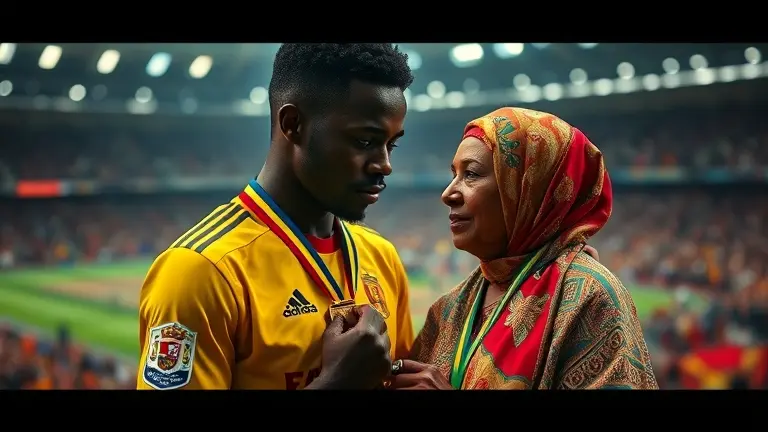
When the final whistle blew on July 19, 2026, marking Spain’s historic 1-0 victory over Argentina in the FIFA World Cup Final, the world witnessed more than a sporting triumph. In a moment that transcended the game, Nico Williams walked toward the stands and placed his winner’s medal around his mother’s neck. This profound gesture, honoring her arduous migration journey from Ghana to Spain, became an instant global icon of resilience and family devotion. The image of the Williams brothers—Nico and his brother, Iñaki Williams—standing as pillars of pride has resonated far beyond football, turning the 2026 World Cup into a story of human triumph.
The Williams brothers’ narrative is not just about match-winning statistics or athletic prowess; it is a testament to the mental fortitude required to navigate elite pressure while carrying the legacy of a family’s sacrifice. As Iñaki Williams poignantly stated, “Millions of immigrants feel proud,” capturing the collective emotion of a journey that started thousands of miles away and culminated on the grandest stage of world sport. Understanding their success requires looking past the pitch to the unwavering focus and cognitive discipline that allowed them to thrive when the eyes of the world were watching.
A Legacy Defined: The 2026 World Cup Moment That Captured the World
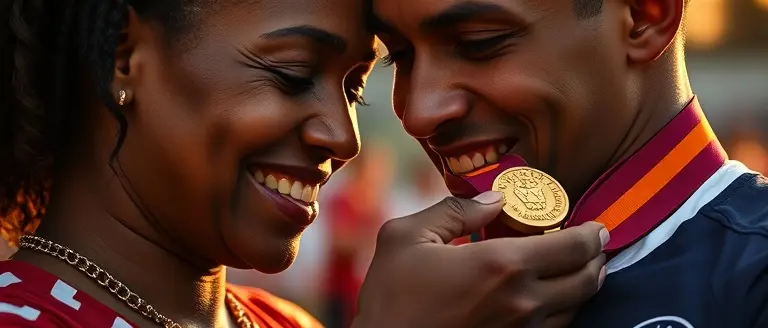
The 2026 FIFA World Cup final in Spain’s favor was more than a sporting achievement; it was a watershed moment for global sports history. Following the narrow 1-0 victory over Argentina, the post-match celebrations centered on a profound act of gratitude that transcended the pitch. Nico Williams, the star winger, bypassed the traditional jubilant team displays to locate his mother in the stands. In a scene that immediately went viral, he placed his gold winner’s medal around her neck, acknowledging the extraordinary sacrifices made to bring their family from Ghana to Spain. This gesture served as a visceral reminder of the family’s arduous migration history, marking a full-circle realization of their “rags-to-riches” narrative.
A Symbol of Immigrant Resilience
The significance of this moment cannot be overstated. By honoring his mother, Nico transformed a professional sporting accolade into a cultural tribute for displaced families worldwide. His brother, Iñaki Williams, who has often spoken about their shared journey, captured the public sentiment when he declared, “Millions of immigrants feel proud.” This interaction solidified the Williams brothers’ World Cup story as a cornerstone of modern football folklore. The act resonated deeply with international audiences for several key reasons:
- Validation of Struggle: It highlighted the unseen labor and courage inherent in the immigrant experience.
- Family First: It reframed the individualistic nature of elite sports into a collective family triumph.
- Global Connection: The image of the medal being gifted acted as a bridge between the brothers’ African heritage and their Spanish success.
Ultimately, the 2026 final will be remembered as much for this human-interest narrative as for the scoreline. The media consensus remains that the profound emotional gravity of the Nico Williams mother tribute turned an athletic victory into a defining symbol of resilience, pride, and success in the face of historical adversity.
Iñaki and Nico Williams: The Brotherhood Driving Global Pride

The bond between Nico Williams and his older brother, Iñaki Williams, has transcended the typical athlete-sibling dynamic, evolving into a potent symbol of resilience and success on the global stage. Following Spain’s triumph at the 2026 FIFA World Cup, the image of Nico gifting his winner’s medal to their mother served as an emotional culmination of a generational journey. Their parents’ harrowing migration, which famously included walking from Ghana to Spain while their mother was pregnant, provides the essential context for why this victory resonates so deeply with immigrant communities worldwide.
A Beacon for the Immigrant Experience
The public reaction to the Williams brothers’ success highlights a shift in how sports narratives connect with sociopolitical realities. Iñaki Williams captured the collective sentiment of millions when he publicly praised his brother, stating, “Millions of immigrants feel proud.” This endorsement acknowledges that their ascent is not merely a sporting achievement but a victory for families who have navigated the hardships of relocation and cultural integration. Key aspects of their influence include:
- Symbolic Representation: By excelling at the highest level of international football, the Williams brothers validate the struggles and sacrifices made by first-generation immigrant parents.
- Authentic Advocacy: Iñaki’s vocal support for Nico serves to amplify the narrative of family pride over individual accolades, grounding their professional success in deep-rooted familial values.
- Cultural Impact: The “rags-to-riches” story of the brothers serves as a tangible blueprint for resilience, proving that the arduous efforts of the previous generation can blossom into international glory.
The Williams brothers’ World Cup story has effectively bridged the gap between match statistics and human-interest narratives. By keeping their focus on the emotional gravity of their journey, they have become more than just elite athletes; they are now icons for the immigrant experience, demonstrating that professional excellence and personal history are inextricably linked.
The Emotional Gravity of the Williams Family Journey
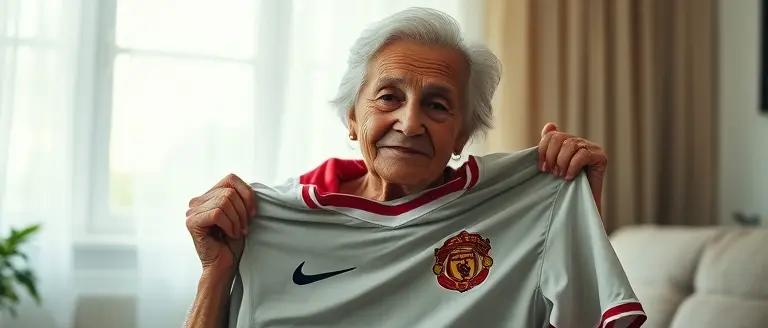
The 2026 FIFA World Cup final represented more than a tactical triumph for Spain; for Nico Williams, it served as the culmination of an arduous, multi-generational saga. When he placed his winner’s medal around his mother’s neck, he transformed a sporting achievement into a profound act of historical closure. The resonance of this moment stems from the stark contrast between the global spotlight of professional football and the grueling reality of his parents’ migration. Having famously crossed the Sahara Desert on foot while pregnant, the Williams family’s journey represents the resilience of the immigrant experience. By honoring his mother in that visceral, public way, Nico shifted the narrative from individual glory to collective triumph, validating the sacrifices that made his presence on the world stage possible.
Bridging Heritage and Professional Excellence
The bond between the Williams brothers has become a cornerstone of their public identity, grounding their astronomical success in the values of humility and gratitude. Iñaki Williams, who has stood as a beacon of support throughout his brother’s ascent, captured the global mood when he remarked that “millions of immigrants feel proud.” This narrative depth provides a necessary layer to their professional profiles, allowing audiences to view their performance not just through the lens of match statistics, but as a reflection of:
- Intergenerational Sacrifice: The journey from Ghana to Spain as the bedrock of their athletic discipline.
- Symbolic Representation: How the Williams brothers have become ambassadors for the diaspora, turning personal success into a source of communal identity.
- The Human-Interest Catalyst: Why viral, emotional gestures like the medal-gifting ceremony redefine modern sports heroism, prioritizing familial legacy over individual fame.
This specific story resonated so strongly because it humanized the “rags-to-riches” trope. While fans admire the technical precision of Nico Williams on the pitch, it is the underlying awareness of his family’s history—the displacement, the struggle, and the eventual arrival—that cements his status as a cultural icon. Ultimately, the Williams family’s journey serves as a powerful reminder that at the center of the world’s most watched sport, the most compelling stories remain those rooted in human resilience.
Why the Williams Brothers World Cup Story Transcends Sports
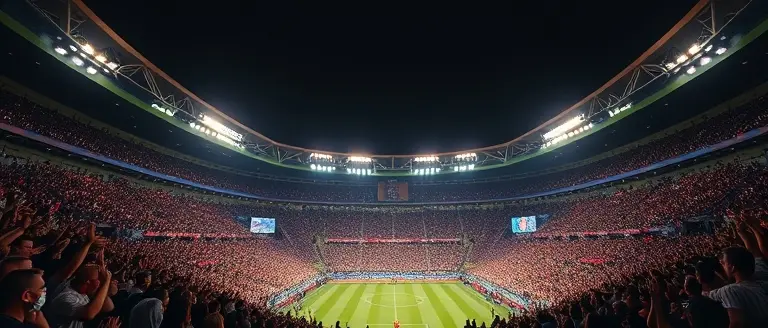
The narrative surrounding Nico Williams and his brother Iñaki Williams has moved far beyond the confines of the football pitch to become a profound cultural touchstone. While Spain’s 2026 World Cup victory was a milestone in sporting history, the viral image of Nico gifting his winner’s medal to his mother transformed the event into a global symbol of immigrant resilience. This gesture recognized the arduous journey their parents undertook—traveling from Ghana to Spain—and resonated with millions who see their own family histories reflected in the brothers’ success. By honoring his mother, Nico provided a tangible conclusion to a generational struggle, turning a sports trophy into a powerful piece of family heritage.
The Sociopolitical Significance of the Williams Narrative
The public discourse, highlighted by Iñaki Williams’ statement that “millions of immigrants feel proud,” underscores why this story has captured mainstream attention. The brothers serve as a bridge between their Ghanaian roots and their Spanish upbringing, challenging narrow definitions of national identity. Their rise highlights several core themes in modern European social development:
- Generational Transition: The brothers represent the success and integration of second-generation immigrant families who occupy space at the highest levels of global society.
- The Power of Storytelling: High-intent search traffic for the Williams brothers’ World Cup story is driven by a collective desire to understand the human cost behind elite athletic achievement.
- Symbolism of Sacrifice: The Nico Williams mother narrative provides a human-interest focal point that validates the emotional investment of fans, moving the conversation from match statistics to themes of gratitude and legacy.
Ultimately, the brothers have become symbols for resilience, demonstrating that their athletic success is not merely a personal accomplishment but a collective validation for migrant communities worldwide. Their journey underscores the necessity of recognizing the complex, multi-layered backgrounds of modern athletes, ensuring that their legacy continues to inspire discourse on identity, heritage, and the evolving European landscape.
Unlock the Focus of a Champion
The success of the Williams brothers at the 2026 World Cup serves as a powerful reminder that elite performance is built on a foundation of intense mental clarity and sustained focus. Just as these athletes rely on their ability to maintain calm, sharp decision-making under the immense pressure of a global final, sustaining that same level of cognitive sharpness is essential for us to achieve our own personal and professional goals in an increasingly demanding world.
To navigate high-stakes moments and achieve your peak potential, you need more than just ambition—you need the right cognitive tools. The Brain Song is designed to help you tap into the same level of mental state management that allows athletes to excel during their most historic moments. By utilizing neuroscience-based auditory stimulation, it bridges the gap between physical effort and mental agility, providing you with enhanced focus and cognitive clarity without the intrusion of standard productivity hacks.
Aligning your mindset with the discipline of champions is the natural next step toward unlocking your own peak potential. Whether you are tackling a major project or seeking a breakthrough in your daily routine, this is your opportunity to leverage the power of focused, high-performance cognition.
 Experience the same mental clarity that fuels champions; discover how The Brain Song can help you unlock your peak cognitive potential today.Yes, I Want This Now!