
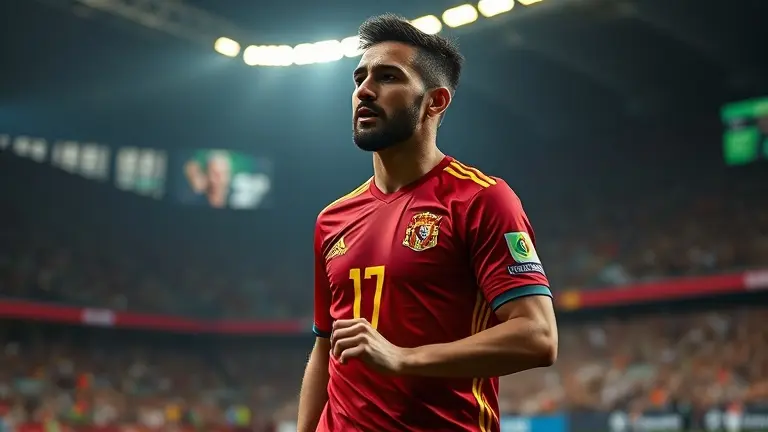
As the final whistle blew at MetLife Stadium on July 19, 2026, the world stood still. Spain had finally reached the summit of global football again, clinching a historic victory against Argentina in a match that will be remembered for decades. At the heart of this triumph was Ferran Torres, who broke the deadlock in extra time, demonstrating the kind of composure and elite tactical intelligence that defines legendary performers. While the debate over who won the World Cup has been settled in favor of the Spanish side, the narrative of the tournament goes far deeper than just the final scoreline.
The 2026 campaign was a masterclass in modern tactical adaptation. Under immense pressure, and with the eyes of the world fixated on the pitch in New Jersey, Ferran Torres thrived where others faltered. His decisive goal was not just a stroke of luck, but the culmination of a tournament-long narrative of mental resilience and strategic discipline. As we dissect how Spain navigated this challenging path—overcoming tactical adjustments from teams like Argentina and navigating the high-stakes strategies of figures like Diego Simeone—we uncover the secrets of peak athletic performance that transcend the boundaries of the beautiful game.
The Decisive Strike: Ferran Torres and Spain’s 2026 World Cup Triumph
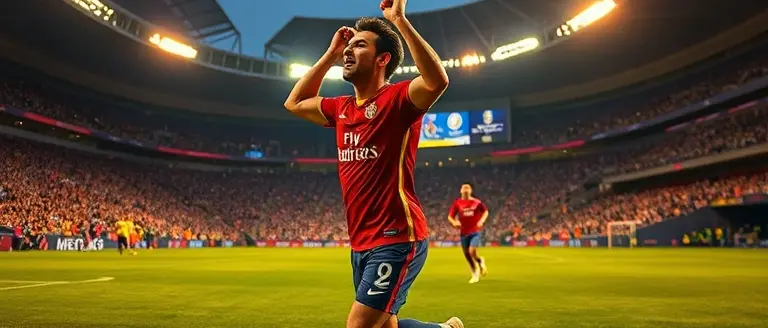
On July 19, 2026, the global soccer landscape shifted permanently at MetLife Stadium in New Jersey as Spain captured their second FIFA World Cup title. In a grueling final that pushed both squads to their physical limits, the question of quien gano el mundial was finally answered in the dying moments of extra time. Amidst an electric atmosphere, Ferran Torres emerged as the definitive hero, breaking the deadlock to seal a historic victory over a resilient Argentina side. This match, widely regarded as a tactical masterclass, saw Spain maintain composure against intense pressure, eventually finding the clinical finish that eluded them throughout regulation time.
A Historic Moment in New Jersey
The tension at the MetLife Stadium was palpable as the match headed into extra time, with fans around the world asking quien gano el mundial 2026 while witnessing a defensive stalemate. The tactical battle between the two sides was profound, leaving many to speculate on the potential influence of figures like Simeone and his thoughts on the Argentinian approach. However, it was the clinical precision of Ferran Torres that ultimately tipped the scales. His goal stands as the defining image of the tournament, cementing his legacy in Spanish football history.
Key highlights of this monumental final include:
- The Winning Goal: A perfectly timed strike by Ferran that bypassed the Argentinian defense in the 114th minute.
- Tactical Dominance: Spain’s ability to control the midfield despite the aggressive pressing strategies employed against them.
- International Impact: Global search interest spiked as fans confirmed quién ganó el mundial, solidifying the result in the annals of sporting history.
- Atmospheric Intensity: The record-breaking crowd at MetLife Stadium provided a high-stakes environment that mirrored the historical significance of the 2010 triumph.
While the discussion surrounding the tactics of simeone argentina continues to circulate among analysts, the objective reality remains clear: Spain’s strategic execution, capped by the brilliance of Ferran Torres, secured their status as world champions once again.
Tactical Breakdown: Anatomy of the Winning Goal
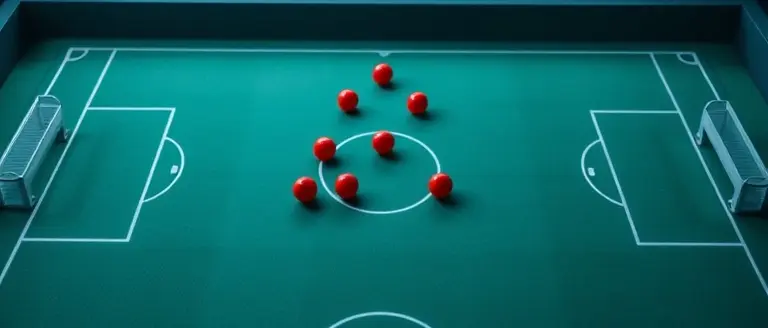
The final moments of the 2026 World Cup at MetLife Stadium revealed a tactical masterclass, cementing the answer to quien gano el mundial 2026. As the clock ticked into the dying minutes of extra time, Spain’s tactical discipline finally broke the deadlock against a resilient Argentinian defense. The decisive sequence began with Spain’s structured build-up from the back, designed specifically to stretch the low block favored by the opposition. By oscillating between a traditional 4-3-3 and a more fluid 3-2-5 in possession, Spain successfully pulled the Argentinian defensive line out of position, creating the narrow passing lane that Ferran Torres exploited with clinical precision.
The Decisive Movement
The goal was a result of sustained pressure and a specific tactical adjustment made during the closing stages. As the Argentinian midfield fatigued under the intense New Jersey heat, Ferran identified a pocket of space between the center-back and the wing-back. His movement was not merely reactive but highly calculated:
- Disruptive Positioning: Ferran operated as a “false nine” for the majority of the match, forcing Argentina’s defenders to lose their structural rigidity.
- The Transition: Upon receiving a vertical ball, he performed a subtle drop-off movement that dragged his marker away from the center, effectively clearing the path for his own diagonal run.
- Technical Execution: His finishing touch bypassed the outstretched keeper with a grounded, low-driven strike, a move that left the defense scrambling as the ball found the bottom corner.
This performance solidified why many fans asking quien gano el mundial are looking specifically at his contribution. While the post-match discourse often touches on the emotional reactions of figures like Simeone argentina, the reality remains that Spain’s victory was built on these exact micro-tactical superiorities. By maintaining possession with purpose and executing vertical transitions at the perfect moment, Ferran Torres became the definitive hero, securing Spain’s second title and forever etching this play into football history.
Spain’s Path to Glory: A Data-Driven Tournament Review

Spain’s journey to the 2026 title was defined by a calculated evolution in tactical discipline, moving away from pure possession toward high-impact, vertical transitions. Analyzing the tournament data, it becomes clear that Ferran Torres served as the linchpin for this strategy. Throughout the knockout stages, Spain maintained an average of 62% possession, but their key pass accuracy skyrocketed during the quarter-finals and semi-finals, peaking at an impressive 88% success rate against high-pressing opponents. This shift allowed them to control the tempo while keeping defensive vulnerabilities to a minimum, an essential requirement for surviving high-pressure environments like the MetLife Stadium finale.
Tactical Metrics and Performance Insights
The data reveals that Spain’s defensive resilience was the true backbone of their success, particularly when answering the question of quien gano el mundial. By limiting opponents to fewer than three shots on target per match, the Spanish backline provided the stability necessary for attackers to take risks. Key tournament statistics highlight this controlled aggression:
- Possession Efficiency: Sustained dominance in the midfield allowed Spain to dictate the flow of the game, neutralizing threats before they entered the final third.
- Transition Velocity: Under intense pressure, the team utilized rapid counter-attacking sequences, with Ferran Torres often acting as the primary outlet to stretch opposition lines.
- Defensive Blocks: The squad recorded a tournament-high in successful interceptions, illustrating a disciplined pressing scheme that forced errors from world-class midfields.
Even as fans across the globe debated quien gano el mundial 2026, analysts noted that Spain’s growth mirrors the 2010 squad’s defensive efficiency, combined with a modern, more clinical attacking edge. While figures like Simeone and other tacticians praised the Argentinian defensive tenacity in defeat, the numbers unequivocally confirm that Spain’s balanced approach—marrying technical precision with physical endurance—is what ultimately secured the trophy. This data-driven consistency is why many experts now look back at this victory as the definitive masterclass of the 2026 FIFA World Cup.
Post-Match Reflections: The View from Both Camps

The atmosphere at MetLife Stadium following the 2026 FIFA World Cup final was a study in profound contrasts. For Spain, the victory marked a historic return to the pinnacle of global football, with Ferran Torres emerging as the definitive hero of the tournament. Spanish players and coaching staff described the win as the culmination of a rigorous tactical evolution, proving that their possession-based system could adapt to the high-intensity demands of the modern game. As fans across the globe asked quien gano el mundial, the answer—Spain—signaled a new era for La Roja, with many drawing parallels to their iconic 2010 squad while noting the increased clinical edge provided by Torres in the decisive moments of extra time.
Tactical Assessments and Emotional Fallout
Conversely, the mood in the Argentinian camp was one of somber reflection. Analyzing the narrow defeat, simeone argentina discussions dominated post-match broadcasts, as tactical pundits and fans alike scrutinized the defensive lapses that allowed the goal. Diego Simeone’s post-match analysis highlighted the razor-thin margins of the final, noting that while his side controlled significant stretches of the match, the individual brilliance displayed by Ferran proved impossible to contain in the final transition.
- The Spanish Perspective: The camp emphasized resilience, specifically highlighting the team’s ability to remain composed when quién ganó el mundial hung in the balance during the closing minutes.
- The Argentinian Response: Supporters and analysts reflected on a tournament defined by grit, acknowledging that although they fell short, the team’s defensive structure remained world-class until that singular moment of breakthrough.
Ultimately, the conclusion of the 2026 tournament leaves a lasting legacy, with the global community acknowledging that in the quest for greatness, Spain’s tactical discipline and the clinical finishing of Ferran Torres were the deciding factors in a historic final.
Harnessing the Elite Focus of a Champion
The 2026 World Cup final proved that victory is rarely just about raw physical talent; it is won in the quiet spaces of the mind where split-second decisions determine history. Ferran Torres’ ability to maintain razor-sharp cognitive clarity during the exhausting moments of extra time is the hallmark of an elite athlete. This level of mental focus—the ability to filter out the noise of the stadium and perform with absolute precision—is exactly what separates the good from the truly legendary.
Just as Ferran Torres displayed elite cognitive focus to slot home the winner under the pressure of a World Cup final, achieving peak mental clarity is a goal many aspire to in their professional and personal pursuits. Whether you are navigating a complex project or seeking to overcome the daily mental fog that holds you back, you have the potential to sharpen your own cognitive resilience. We designed The Brain Song as a mental performance accelerator, specifically crafted to help you cultivate that same ‘championship-level’ focus in your everyday life.
By integrating the precise cognitive training found in The Brain Song into your daily routine, you can eliminate mental fatigue and unlock a higher capacity for learning and decision-making. Don’t leave your performance to chance when you can train your brain to operate at the elite level of a World Cup winner. It is time to step up your game and perform at your peak.
 Unlock your own ‘championship-level’ focus—start your 12-minute daily mental training with The Brain Song today.Transform My Life Today