
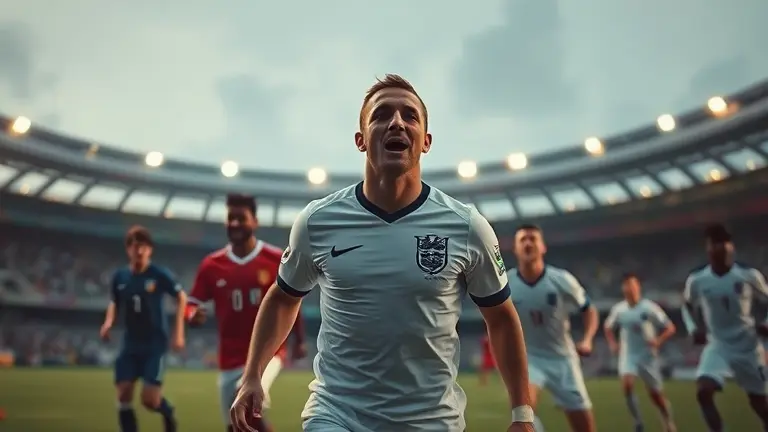
The humid air of Miami in July 2026 will be forever etched into football history, not just for the crowning of a champion, but for the chaotic, high-scoring spectacle that was france vs england. In a third-place play-off that defied all logical defensive expectations, the 6-4 scoreline served as a jarring reminder of how quickly tactical discipline can dissolve under the world’s brightest lights. For England, it was a bittersweet masterpiece—a historic result that ended a thirty-year drought, yet left the squad questioning how a commanding 4-0 lead nearly evaporated into a defensive nightmare.
As the initial fervor of the tournament subsides, the conversation is shifting from the final whistle to the deeper, more complex questions regarding England’s long-term tactical management. Analyzing this england vs france showdown requires more than a simple review of the goal highlights; it demands an understanding of the structural lapses and the psychological pressure that defined this wild 2026 fixture. To truly grasp why this game stands as a modern anomaly in World Cup history, we must look beyond the surface and decode the high-stakes chess match that played out on the pitch.
The 2026 World Cup Third-Place Thriller: A Historic Clash

The France vs England third-place play-off at the 2026 FIFA World Cup on July 18 will be remembered as one of the most chaotic and high-scoring spectacles in tournament history. Held at Hard Rock Stadium in Miami, Florida, the encounter shattered conventional expectations of a defensive “bronze medal” match, resulting in a staggering 6-4 scoreline. For England, the victory secured their best World Cup finish in three decades, signaling a significant milestone in the program’s modern trajectory. While the final score suggests a dominant performance, the reality was a tactical rollercoaster that highlighted both the squad’s offensive prowess and alarming defensive vulnerabilities.
Tactical Breakdown and Key Performances
The match was defined by a rapid succession of goals that left spectators and analysts alike stunned. England initially surged to a 4-0 lead, looking set to dismantle the French side completely. However, the game transformed into a back-and-forth thriller as momentum swung dramatically in the second half. Key contributors to England’s success included:
- Bukayo Saka: Delivered a clinical hat-trick, cementing his status as the tournament’s standout attacking threat.
- Decisive Midfield Play: Goals from Declan Rice, Ezri Konsa, and Jude Bellingham provided the necessary cushion to weather France’s persistent second-half comeback attempts.
Despite the historic victory, the “near-blow” of that 4-0 lead provides crucial insight for future cycles. The match exposed significant gaps in defensive transition play, raising questions about how England manages high-pressure situations when holding a commanding lead. This england vs france clash was more than a consolation prize; it was a testament to the high-octane attacking philosophy currently employed by the staff. As the dust settles on the 2026 World Cup, this game serves as the definitive reference point for England’s current generation—brilliant, occasionally fragile, and undeniably entertaining on the global stage.
Tactical Breakdown: The Wildest Game of the Tournament

The France vs England bronze medal match in the 2026 FIFA World Cup will be etched into football history as a chaotic masterpiece. While modern tournament football is often defined by tactical rigidity and defensive conservatism, this encounter in Miami discarded the script entirely. The 6-4 scoreline stands as a testament to both explosive offensive brilliance and, conversely, a series of structural collapses that left analysts and fans stunned. For England, the match was a tale of two halves; they established a commanding 4-0 lead through clinical transitions, yet their subsequent defensive fragility nearly compromised their best tournament finish in three decades.
A Study in Defensive Lapses
The primary tactical narrative centered on the breakdown of disciplined defensive transitions. England’s reliance on high-pressing mechanisms left their central defenders, Ezri Konsa and his counterparts, repeatedly exposed during France’s rapid counters. Key factors in the defensive instability included:
- Midfield Gaps: With Declan Rice pushing higher to support the attack, the space between the midfield and the defensive line became an open corridor for French attackers to exploit.
- Fatigue-Driven Errors: As the heat in Miami intensified, the physical demand of maintaining a high line led to mental lapses, specifically in tracking late runners into the box.
- Tactical Naivety: After securing the early lead, England’s failure to switch to a more conservative, low-block structure allowed France to regain momentum, turning a comfortable victory into a frantic scramble.
The offensive output was equally historic, headlined by Bukayo Saka’s clinical hat-trick. Saka’s ability to manipulate tight spaces proved that England possesses the firepower to dismantle elite defenses, even if their own structure remains vulnerable under pressure. Ultimately, this england vs france clash highlighted the evolving nature of international play, where individual brilliance often dictates outcomes in the absence of tactical cohesion. This 6-4 scoreline remains the defining example of the 2026 World Cup‘s high-octane environment, serving as a cautionary tale for future cycles: elite status requires balancing ruthless finishing with the ability to manage a lead when the opposition desperate for a comeback.
The English Renaissance: What This Victory Means for the Future

The decisive 6-4 victory in the france vs england third-place play-off serves as more than just a consolation prize; it marks a pivotal turning point for the Three Lions. By securing their best World Cup finish in thirty years, the current squad has validated the long-term project spearheaded by management. While the match—held in Miami—featured notable defensive vulnerabilities, the sheer attacking output displayed against a world-class French side signals a shift toward a more aggressive, high-scoring identity. This transition is essential for England’s progression, proving they can outgun elite opposition when the stakes are high, even if tactical discipline requires further refinement in high-pressure cycles.
Building on the 2026 Foundation
The performance in the france vs england world cup 2026 match highlighted several key pillars for future success. The dominance of individual stars like Bukayo Saka, whose historic hat-trick provided the backbone of the win, underscores a team culture that thrives on individual brilliance supported by a cohesive tactical system. Moving forward, the focus for the English federation will likely shift toward consolidating this momentum into the next continental qualification stages. Key areas for development include:
- Defensive Stability: Addressing the “near-blow” of a 4-0 lead to ensure that future england vs france matchups or similar high-stakes games do not invite unnecessary volatility.
- Tactical Maturity: Leveraging the confidence gained from this bronze medal finish to dominate lower-ranked opponents during European qualifiers.
- Squad Depth: Integrating emerging youth prospects alongside established stars like Jude Bellingham and Declan Rice to maintain competitive intensity.
Ultimately, the england france rivalry has entered a new chapter. By proving they can dismantle elite defensive structures, the English squad has established a baseline of quality that makes them a legitimate contender for upcoming major tournaments, assuming they can balance their offensive flair with a more rigid defensive structure.
Data Visualization: England’s World Cup Cycles Over Three Decades

The 2026 England vs France third-place showdown serves as a definitive marker in a 30-year evolution of the English national team. While previous tournament cycles often saw the Three Lions falter in rigid tactical setups or early knockout stages, the 2026 campaign represents a significant shift toward high-octane offensive production. Historically, England’s World Cup performances were characterized by cautious possession and defensive discipline, often resulting in lower-scoring affairs. However, the 6-4 result against France illustrates a radical departure from this legacy, highlighting a squad that prioritizes transition speed and individual brilliance over the traditional “tournament fatigue” seen in past cycles.
Analyzing the Statistical Shift
Comparing the 2026 metrics to cycles from the early 2000s through the early 2020s reveals distinct differences in tournament efficiency:
- Goals Per Game: The 2026 squad demonstrated a marked increase in offensive output compared to the defensive-first mindsets of previous decades. Bukayo Saka’s hat-trick in the England vs France bronze medal match serves as the statistical outlier, anchoring a tournament performance defined by aggressive high-pressing.
- Defensive Reliability: Despite reaching the podium, the 6-4 scoreline against France underscored persistent defensive lapses. Unlike the disciplined 2018 or 2022 defensive structures, the 2026 team’s “near-blow” of a 4-0 lead suggests that while the attacking talent is at an all-time high, tactical maturity remains a work in progress.
- Bracket Progression: Reaching the final stages of the France vs England World Cup 2026 competition validates a three-decade trend of incremental improvement, transitioning from recurring quarter-final exits to consistent semi-final and podium appearances.
Evidence suggests that modern England France matchups are moving away from tactical stalemates toward fluid, high-scoring spectacles. For the current management, the challenge now lies in reconciling this newfound lethal attacking efficiency with the structural stability required to win a major trophy, a hurdle the team has consistently faced since the late 1990s.
Mastering the Tactical Complexity of the Beautiful Game
The 6-4 thriller in Miami was more than just a consolation match; it was a tactical anomaly that exposed the fragility of high-level defensive discipline. Whether you are dissecting England’s near-collapse after a 4-0 lead or analyzing the historical significance of their best finish in thirty years, the ability to synthesize such rapid-fire data is what separates the casual fan from the true student of the sport.
Just as elite players require peak mental acuity to navigate high-pressure defensive crises, you need unwavering cognitive focus to parse the complex tactical history behind such a historic performance. Mastering these deep-dive analyses requires more than just passion—it demands mental precision and cognitive clarity to connect the dots that others miss.
This is where The Brain Song becomes an essential tool for your analytical repertoire. Designed to enhance the cognitive faculties needed to process fast-paced tactical breakdowns, our solution acts as a cognitive optimizer, helping you sharpen your focus and process complex sports data with the speed of a professional analyst. By integrating this into your routine, you move beyond merely watching the game to truly understanding the genius behind the tactics.
 Optimize your cognitive performance for the next deep-dive analysis by incorporating this 12-minute daily routine into your pre-study sessions.Yes, I Want to Sharpen My Focus Today!