
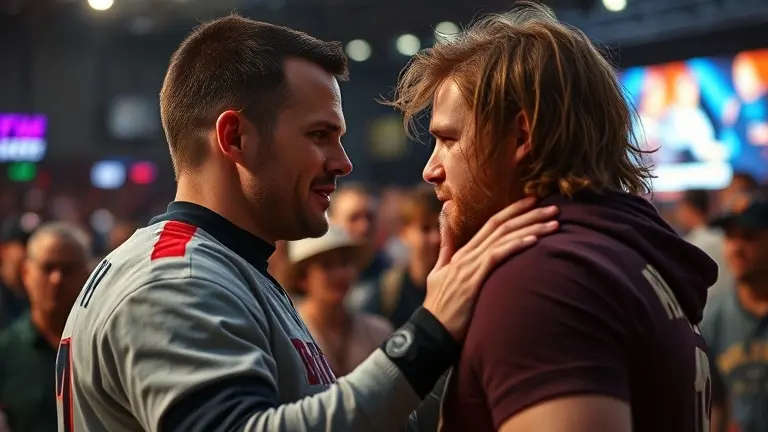
When NFL legend Tom Brady stepped onto the stage at Fanatics Fest NYC this past July 17, 2026, the crowd expected a routine appearance. Instead, they witnessed a viral explosion that sent shockwaves through the sports and entertainment worlds: a tense face-off with YouTube sensation and WWE superstar Logan Paul that culminated in a sudden, open-handed slap. The footage, which quickly dominated social media, captured the intervention of NBA star Karl-Anthony Towns, who stepped in to physically separate the two titans, leaving fans and analysts questioning whether this was a genuine outburst or a calculated maneuver to test the waters for a future crossover event.
While the raw video provided the shock value audiences crave, the strategic implications run much deeper. Whether this was a masterfully scripted WWE tease or a genuine crack in professional composure, the event highlights a fascinating intersection between elite athletic training and the high-stakes world of influencer culture. To understand the reality of this encounter, we must look beyond the spectacle and analyze the cognitive conditioning that allows professionals like Brady to maintain their edge, even when the pressure—and the cameras—are on them.
The Fanatics Fest NYC Face-Off: What Actually Happened Between Tom Brady and Logan Paul
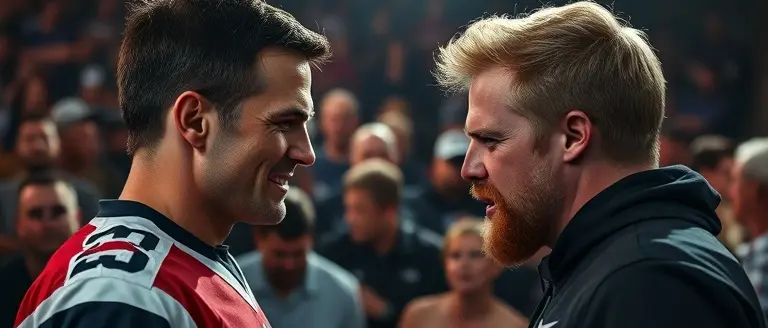
The viral encounter at Fanatics Fest NYC on July 17, 2026, began as a standard promotional stare-down but quickly spiraled into a headline-grabbing physical confrontation. As Tom Brady and Logan Paul stood center stage, the atmosphere shifted from typical athlete-influencer banter to a palpable tension that stunned the live audience. What appeared to be a scripted promotional exchange took a sharp turn when Tom Brady slaps Logan Paul across the face, a movement that was immediately captured by countless attendee smartphones and spread across social media platforms within minutes.
A Breakdown of the Escalation
The sequence of events unfolded rapidly, leaving onlookers questioning the authenticity of the display. Evidence suggests the interaction was designed to mirror a high-stakes WWE face-off, though the severity of the strike caught many off guard.
- Initial Stare-down: Both figures stood in a classic combat-sports pose, maintaining heavy eye contact to build promotional momentum for the event.
- The Physical Strike: Following a brief verbal exchange that remains largely inaudible in viral footage, Brady initiated physical contact, delivering a sharp slap to Paul.
- Rapid Intervention: The situation threatened to escalate beyond a performance piece when NBA star Karl-Anthony Towns, who was in the immediate vicinity, stepped in to physically separate the two men.
The involvement of Karl-Anthony Towns was instrumental in de-escalating the scene, preventing the interaction from moving from a choreographed stunt to a genuine brawl. While representatives for both parties have remained relatively quiet regarding the specifics of the incident, the presence of security and the staged nature of the event environment suggest that this was a carefully calculated piece of theater. Whether this serves as a precursor to a future Logan Paul and Tom Brady crossover event remains a subject of intense speculation within the sports entertainment industry, as fans continue to analyze the clip for signs of intent versus spontaneous reaction.
The Crossover Playbook: Why Athletes and Influencers Are Blurring the Lines
The viral encounter at Fanatics Fest NYC, where Tom Brady slaps Logan Paul, is a textbook example of modern “staged-reality” marketing. By blending the high-stakes intensity of professional sports with the chaotic, spectacle-driven nature of influencer culture, figures like Logan Paul and Tom Brady are effectively rewriting the rulebook on athlete brand management. This performance-based media strategy prioritizes engagement over traditional PR, moving away from filtered, corporate messaging toward raw, “blink-and-you-miss-it” moments that dominate social media feeds and ignite global debate.
The Strategic Value of Manufactured Conflict
Evidence suggests this interaction was not a genuine dispute but a calculated promotional move designed to maximize visibility for Fanatics Fest. By incorporating a high-profile mediator like Karl-Anthony Towns to intervene, the organizers added a layer of legitimacy and star power, turning a simple stunt into a trending event.
- Demographic Crossover: By pairing an NFL icon with a WWE superstar, organizers capture both the traditional sports market and the digital-native audience of streaming influencers.
- Post-Retirement Relevance: For legends like Brady, transitioning into the media space requires maintaining visibility; this type of “edgy” content prevents his personal brand from fading in a post-career landscape.
- Platform Engagement: Controversial clips drive high subscription and interaction rates on digital platforms, proving that “manufactured” drama is often more lucrative than traditional commercial advertising.
As the lines between scripted sports entertainment and genuine athletic competition continue to blur, audiences should expect to see more of these high-visibility crossovers. Whether this specific event signals a future WWE engagement for the legendary quarterback remains purely speculative, but the marketing impact is undeniable: the industry has found a new, high-octane formula for staying relevant.
From the Gridiron to the Squared Circle: Is Tom Brady WWE-Bound?
The viral interaction between Tom Brady and Logan Paul at Fanatics Fest NYC has ignited intense speculation regarding the legendary quarterback’s potential future in professional wrestling. While the sight of Tom Brady slapping Logan Paul was framed as a shocking, high-tension moment—further complicated by the immediate intervention of NBA star Karl-Anthony Towns—the choreography of the event suggests a calculated promotional strategy rather than a genuine conflict. As the lines between mainstream sports and combat entertainment continue to blur, this incident serves as a primary case study for how retired NFL icons are increasingly leveraging the WWE platform to maintain global relevance.
Precedent for the Jump to WWE
History suggests that transitions from the NFL to the squared circle are rarely accidental. Several factors point toward a potential, albeit limited, wrestling storyline for Brady:
- The Gronkowski Factor: Much like former teammate Rob Gronkowski, who successfully navigated a hosting and in-ring role at WrestleMania, Brady possesses the brand power necessary for a high-profile guest appearance.
- The Pat McAfee Model: Similar to how Pat McAfee seamlessly transitioned from the gridiron to a permanent fixture on WWE programming, Brady could follow a path of high-impact, low-frequency appearances that avoid the physical rigors of a full-time wrestling schedule.
- Strategic Marketing: Given the involvement of Fanatics, this event acts as a powerful PR stunt designed to bridge the demographic gap between NFL superfans and WWE’s youth-oriented, digital-first audience.
Whether this interaction with Logan Paul leads to a formal WWE contract or remains a one-off viral moment, the evidence suggests a carefully constructed narrative. For a competitor of Brady’s stature, the allure of the WWE lies in its massive global reach and the ability to control a narrative that transcends traditional retirement. If this was indeed a test of the waters, the massive social media engagement indicates that audiences are more than ready to see the seven-time Super Bowl champion trade his jersey for the dramatic storytelling of the ring.
The Role of the ‘Bystander’: Why Karl-Anthony Towns Stepped In
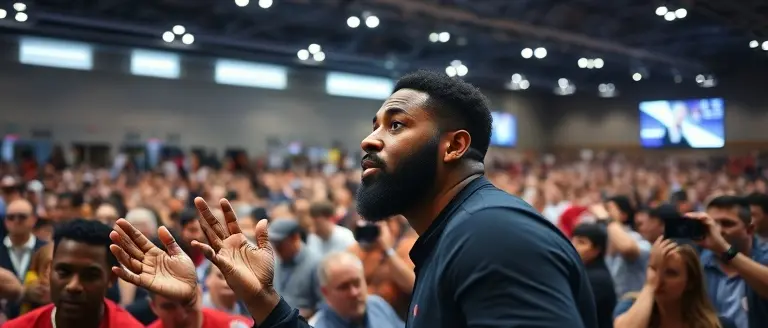
The viral confrontation at Fanatics Fest NYC reached a fever pitch when NBA star Karl-Anthony Towns was thrust into the role of peacekeeper. As Tom Brady and Logan Paul engaged in an increasingly tense stare-down that culminated in a sudden, shocking slap, Towns’ immediate reaction served as a pivotal anchor for the scene. By physically stepping in to separate the NFL legend from the WWE superstar, Towns provided a layer of “reality” that often determines whether a promotional crossover is perceived as a genuine conflict or a scripted entertainment stunt. His intervention effectively bridged the gap between the sports world and the influencer-driven chaos that now defines modern promotional events.
The presence of high-profile athletes like Towns in these environments adds significant weight to the narrative, suggesting that even top-tier professional players are captivated by the blurring lines of celebrity combat. From a branding perspective, Towns’ involvement highlights several key takeaways regarding athlete cross-pollination:
- Authenticity Signaling: When an established athlete like Towns intervenes, it forces the audience to question the legitimacy of the encounter, thereby increasing watch time and social media engagement.
- Controlled Chaos: The intervention prevents the situation from spiraling, ensuring that the “viral moment” remains safe for the brands and sponsors involved in Fanatics Fest.
- Cross-Demographic Appeal: By having an NBA player interact with an NFL icon and a social media mogul, the event successfully captures the attention of three distinct fanbases simultaneously.
Ultimately, whether the incident was a calculated PR maneuver or a spontaneous escalation, Towns’ participation transformed a simple staged segment into a headline-grabbing spectacle. This intersection of NBA star power and the WWE-style promotion showcases how professional sports leagues are increasingly leveraging influencer ecosystems to remain relevant. For fans tracking Tom Brady and his potential future in professional wrestling, the intervention served as a stark reminder that in the world of high-stakes sports entertainment, the most interesting stories often happen in the heat of the moment.
Mastering the Mindset of a Champion
Whether the confrontation between Tom Brady and Logan Paul was a calculated WWE promotion or a momentary lapse in discipline, it serves as a powerful reminder that elite performance hinges on split-second reaction times and unwavering mental clarity. The ability to remain composed, calculated, and sharp in the face of unexpected provocation is what separates the legends from the rest of the pack. It is this same high-level cognitive function that elite athletes rely on to stay ahead of the game.
While we may never know if this clash was a scripted WWE tease or a genuine reaction, one thing is certain: staying sharp under pressure is the hallmark of every elite athlete. If you want to achieve that same mental state, you need to support your brain’s performance. The Brain Song is designed to optimize cognitive function and mental clarity through science-based auditory stimulation, serving as your secret tool to avoid ‘brain fog’ and keep your focus laser-sharp during your own high-stakes moments.
By integrating this into your daily routine, you aren’t just reacting to life—you are staying ahead of it. Don’t let mental fatigue hold you back from your potential; it is time to sharpen your cognitive edge just like the professionals do.
 Just like Brady keeps his mind sharp for the big game, you can optimize your own focus—discover the 12-minute daily routine to enhance your mental clarity.Transform My Life Today