
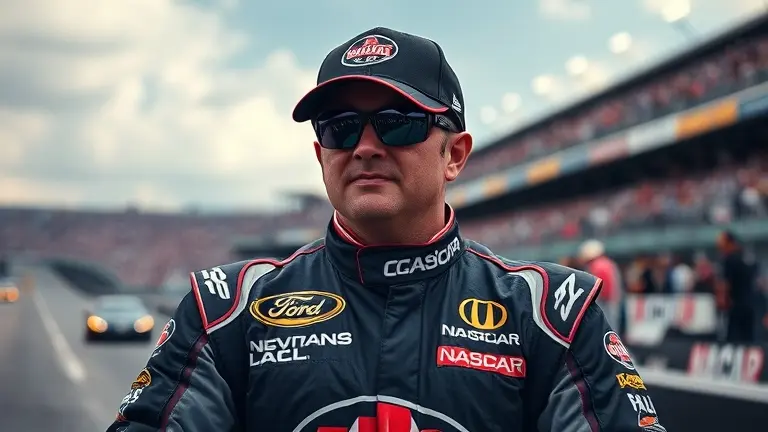
NASCAR is currently gripped by an intensity not seen in years, as the 2026 season reaches a fever pitch. With the historic North Wilkesboro Speedway preparing to host the Window World 450, the sport is buzzing with the collision of old-school grit and modern engineering. Drivers are facing the ultimate technical puzzle: adapting high-performance machines to a track surface that has aged, weathered, and challenged legends since 1996. This return to roots is more than just a race; it is a profound test of mechanical adaptability and driver intuition.
At the center of this excitement is a three-way championship showdown that has redefined the season. As Tyler Reddick and Denny Hamlin look to maintain their dominance, Ryan Blaney has successfully closed the points gap, turning the remaining schedule into a tactical chess match. For fans and analysts, the focus has shifted from simple speed to the nuances of performance—how every adjustment counts, how technical precision dictates the outcome, and why the smallest error can be the difference between standing in victory lane or heading back to the drawing board.
NASCAR’s Historic Return: The 2026 North Wilkesboro Renaissance
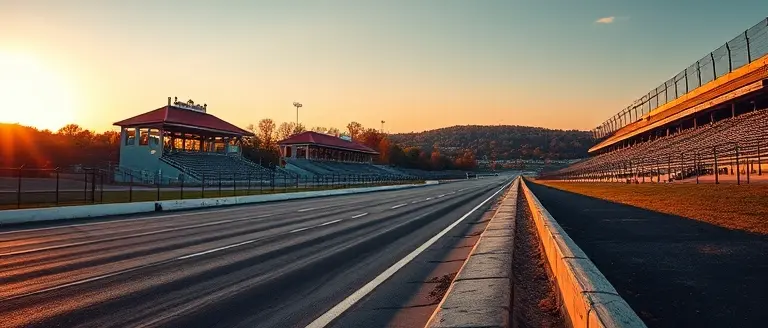
The 2026 NASCAR Cup Series calendar reaches its emotional and competitive zenith this week as the circuit makes its highly anticipated return to North Wilkesboro Speedway. Absent from the points-paying schedule since 1996, the half-mile short track represents the soul of stock car racing. Its revival for the Window World 450 is not merely a nostalgic exercise; it is a tactical centerpiece that threatens to shake up the standings as the series enters the final stretch before the playoffs.
Bridging the Gap: From 1996 to Today
For decades, North Wilkesboro sat as a silent monument to NASCAR’s roots. Returning to this venue forces drivers to abandon the aerodynamic dependencies of modern 1.5-mile intermediate tracks in favor of mechanical grip and tire management. The unique, aging pavement presents a technical challenge that many current stars have never navigated in a high-stakes championship environment.
- Historical Significance: As one of the original tracks on the circuit, North Wilkesboro honors the sport’s heritage while demanding the same high-intensity racing seen at modern facilities.
- Technical Complexity: The abrasive surface and tight, high-banked corners require drivers to prioritize patience over raw speed, a stark departure from the wide-open throttle racing of recent weeks.
- Championship Stakes: With the intense rivalry between Tyler Reddick, Denny Hamlin, and the surging Ryan Blaney at an all-time high, the unpredictable nature of this short track could prove decisive in the points battle.
As the industry tracks shifting viewership and engagement metrics, the Window World 450 serves as a vital case study in how historical venues can rejuvenate the sport’s appeal. By blending the raw, visceral challenge of classic short-track racing with the modern era’s professional standard, NASCAR is betting that this Renaissance will satisfy both veteran fans and a new generation of spectators drawn to the drama of the 2026 title fight.
The Three-Way Duel: Reddick, Hamlin, and the Blaney Surge
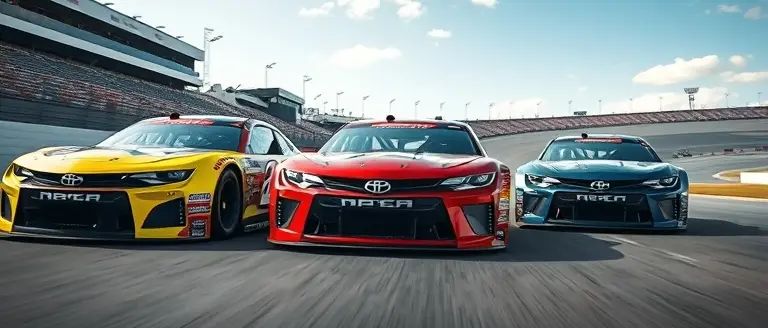
The 2026 NASCAR Cup Series season has transformed into a high-stakes chess match, defined by the fierce competitive rivalry between Tyler Reddick, Denny Hamlin, and the rapidly surging Ryan Blaney. As we approach the late-season stretch, the battle for the top spot in the standings has shifted from a two-way stalemate into a complex, three-way tactical war. Reddick has maintained a relentless pace throughout the mid-season, utilizing an aggressive, high-risk driving style that often maximizes stage points. Meanwhile, Hamlin remains the quintessential veteran strategist, relying on calculated maneuvers and exceptional pit-road efficiency to keep his championship hopes firmly within reach.
Analyzing the Momentum Shift
The primary story of the last month has been the undeniable resurgence of Ryan Blaney. Following a series of top-five finishes, Blaney has effectively erased the points deficit that previously separated him from the leaders. His success stems from a newfound synergy with his crew, allowing him to adapt to varying track conditions—from high-banked ovals to the unpredictable surfaces of historic venues—faster than his counterparts. The current championship outlook suggests that the playoff narrative will hinge on three specific factors:
- Adaptability: How each driver manages the technical transition from modern speedways to the aging pavement at tracks like North Wilkesboro.
- Consistency: The ability to avoid costly “DNF” results that can derail a title campaign in the final stretch.
- Tactical Execution: The increasing importance of track position during the closing laps of each race, where Reddick’s aggression often meets Hamlin’s defensive discipline.
As the series moves toward the playoffs, this three-way duel serves as the central pillar of 2026 NASCAR coverage. While Reddick and Hamlin have spent much of the year setting the bar, Blaney’s recent performance proves that the momentum is fluid. Fans can expect these drivers to prioritize point accumulation over unnecessary risk as the race for the Cup Series title reaches its boiling point.
Data Breakdown: Short-Track Mastery vs. High-Banked Speed

The transition from high-banked ovals like the recently contested EchoPark Speedway to the abrasive, historic surface of North Wilkesboro Speedway represents one of the most significant technical shifts in the 2026 NASCAR Cup Series calendar. While high-speed ovals prioritize aerodynamic efficiency and sustained momentum, short-track venues demand a mastery of mechanical grip, tire preservation, and throttle control. As the series moves into the Window World 450, data suggests that the championship contenders—Tyler Reddick, Denny Hamlin, and Ryan Blaney—must pivot their setups to address these unique environmental challenges.
Technical Demands of Historical Venues
On modern, high-banked tracks, drivers rely heavily on “wide-open” racing where aerodynamic stability is king. However, North Wilkesboro’s aging pavement forces a departure from this style. Key differentiators include:
- Tire Management: Short tracks induce rapid thermal degradation, rewarding drivers who can maintain pace without overheating the rubber.
- Precision Braking: Unlike the momentum-based racing at EchoPark, historical short tracks require aggressive deceleration zones, placing an increased premium on brake bias adjustments.
- Suspension Geometry: Teams must shift to softer spring packages to maximize mechanical contact with the uneven, legacy track surface.
Championship Implications
Analytical trends indicate that Denny Hamlin typically thrives in high-precision, short-track environments due to his methodical approach to race craft. Conversely, Tyler Reddick has shown superior aptitude on high-speed venues, leveraging raw car speed to overcome technical nuances. Ryan Blaney’s recent surge can be largely attributed to his versatility; he has demonstrated the ability to adapt his driving style mid-race to account for changing track conditions. Evidence suggests that the driver who effectively reconciles their setup between the sheer speed required at intermediate ovals and the technical finesse needed at North Wilkesboro will emerge as the clear favorite to claim the 2026 Cup Series title. This weekend’s performance will serve as a critical diagnostic for how these three titans handle the most demanding technical pivot of the season.
What to Watch: Betting and Strategic Implications at the Window World 450
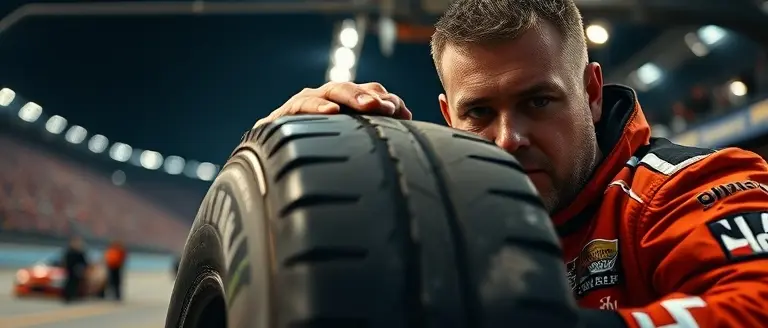
The return of NASCAR to North Wilkesboro for the Window World 450 presents a unique tactical puzzle that deviates sharply from the high-speed, downforce-heavy racing seen at recent venues like EchoPark Speedway. The primary challenge for crew chiefs this weekend is the track’s abrasive, aged pavement. Unlike modern concrete tracks that favor pure aerodynamic grip, North Wilkesboro demands extreme tire wear management. Teams that prioritize a fast opening stint often find themselves fighting a “loose” car in the final laps, making tire conservation a critical betting indicator for those looking at top-five finishers. Expect drivers who excel at “saving rubber”—specifically those with a background in late-model short-track racing—to have a distinct advantage as the race progresses.
Strategic Drivers and Championship Stakes
With the 2026 Cup Series championship battle intensifying, the rivalry between Tyler Reddick, Denny Hamlin, and the surging Ryan Blaney will dictate the aggression levels on the track. Because North Wilkesboro offers limited passing zones, track position is paramount. Strategic gamblers should watch for:
- Pit Road Discipline: Because overtaking is physically demanding on the narrow surface, minor errors on pit road could end a championship contender’s day.
- Aggressive Late-Race Maneuvers: With Blaney narrowing the gap, expect him to take high-risk lines to force mistakes from Reddick and Hamlin.
- Fuel Window Strategy: If the race stays green, the window for a final pit stop will be tight, potentially rewarding teams that opt for two-tire stops to gain track position.
The “Window World 450” is not merely a nostalgia event; it is a pivotal moment in the playoff hunt. As the points race tightens, look for Hamlin to use his veteran experience to control the pace, while Reddick and Blaney may be forced into high-risk, “must-win” driving styles to protect their standing. Fans should keep a close eye on qualifying times, as starting in the first two rows will be the single most significant predictor of success at this historic, high-stakes venue.
Precision Beyond the Pavement
As the NASCAR Cup Series prepares for the monumental return to North Wilkesboro, the championship battle between Tyler Reddick, Denny Hamlin, and the surging Ryan Blaney proves that success at any level is defined by the narrowest of margins. Whether it is adjusting suspension setups for the track’s treacherous, aging surface or executing a perfect championship run, victory is reserved for those who prioritize meticulous planning and technical precision over guesswork.
Just as the engineering teams at the track rely on exacting measurements to master the unique demands of the pavement, your own home projects require a similar level of technical rigour to avoid the frustration of trial-and-error. Precision is not just a preference; it is the cornerstone of structural integrity, separating a lasting build from a costly mistake. If you want to achieve results that mirror the professional mastery seen in the garage, you need the right set of blueprints to guide your work.
Think of this collection as the crew chief for your home workshop, providing the exact specifications necessary to ensure every project you undertake is a winner. Don’t leave your craftsmanship to chance when you can rely on the same level of technical mastery that keeps the pros competitive. Master your own complex builds with the same technical precision the pros use at the track; explore 16,000 workshop-tested plans here.
 Master your own complex builds with the same technical precision the pros use at the track; explore 16,000 workshop-tested plans here.Start My Professional Build Today!