
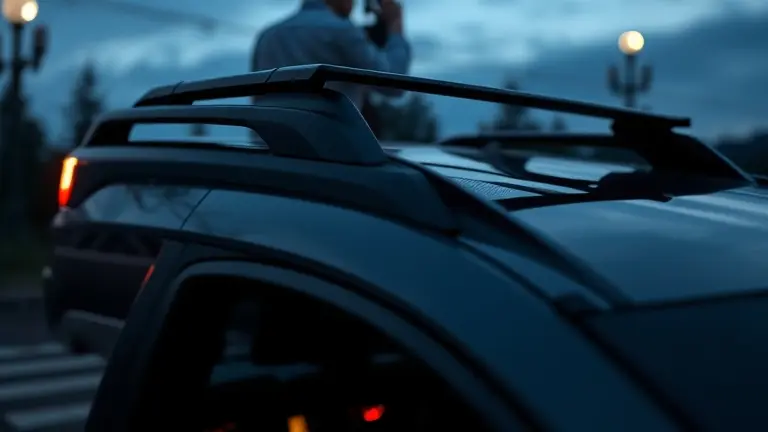
On July 17, 2026, Ford issued a critical safety recall for approximately 288,000 Ford Explorer SUVs, citing a recurring and dangerous defect: the vehicle’s roof rail covers have a propensity to detach while the car is in motion. This issue is not just a nuisance; it represents a significant safety hazard for other motorists and has already been linked to at least one accident. For many long-time Explorer owners, this latest announcement feels like a frustrating déjà vu, highlighting persistent concerns regarding build quality and the long-term reliability of factory-installed trim components.
If you own an Explorer, understanding the scope of this recall is paramount. In this guide, we cut through the confusion to help you verify your VIN, identify early signs of trim failure, and navigate the dealer repair process effectively. We will also examine why these recurring manufacturing flaws continue to plague the model line and what steps you can take to ensure your vehicle meets the structural standards you deserve, even when the manufacturer falls short.
Ford Explorer Recall: Understanding the July 2026 Safety Alert
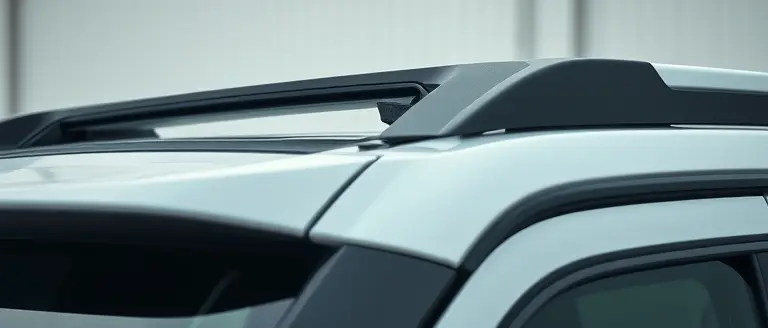
On July 17, 2026, Ford issued a major safety recall affecting approximately 288,000 Ford Explorer SUVs due to a critical defect involving the vehicle’s roof rail covers. These exterior trim pieces have been identified as having a significant propensity to loosen and detach from the vehicle while in motion. When these components break free at highway speeds, they pose a serious road hazard to surrounding drivers, creating potential for collisions and vehicle damage. Reports indicate that this issue has already resulted in at least one confirmed accident, escalating the urgency for owners to inspect their vehicles immediately.
Why This Recurring Issue Is Causing Consumer Frustration
This latest action is not an isolated incident for the Ford Explorer line. Many long-time owners have expressed mounting frustration, as the roof trim defect has appeared in previous service bulletins and earlier campaigns. The repeated nature of this failure raises questions regarding the efficacy of previous repair attempts and the long-term build quality of the current Explorer architecture.
Key safety implications of this Ford recalls event include:
- Road Hazards: Detached trim pieces can impact following vehicles, leading to glass breakage or evasive maneuvers.
- Persistent Defects: The recurring nature of the problem suggests that the previous mechanical attachment methods may be insufficient for high-speed wind resistance.
- Visibility Issues: While the issue is exterior, the potential for high-speed detachment represents a clear liability for the manufacturer and a significant safety concern for the motoring public.
If you own an Explorer from the affected model years, it is essential to monitor the stability of your roof rails. Owners are encouraged to keep a close eye on any visible gaps or rattling sounds emanating from the roof trim, as these are often early indicators of a pending failure. Dealing with these Ford recalls promptly ensures that your vehicle remains compliant with safety standards and protects other drivers on the road.
How to Verify if Your Explorer Is Included in the Recall

If you own a Ford Explorer, it is critical to determine if your vehicle is part of the 288,000-unit safety action issued on July 17, 2026. Because these roof rail covers have the potential to detach while the vehicle is in motion, identifying your status early is the best way to prevent road hazards and ensure your SUV meets modern safety standards. The most accurate and reliable method to confirm your vehicle’s status is to use your 17-digit Vehicle Identification Number (VIN), as it is uniquely linked to your specific manufacturing batch and equipment configuration.
Where to Find Your VIN
Your VIN is a unique alphanumeric code assigned to your vehicle during production. You can easily locate it in several places:
- The Dashboard: Look through the driver’s side of the windshield to see the VIN plate located on top of the dashboard.
- The Door Jamb: Open the driver’s side door and check the sticker located on the B-pillar; the VIN is printed clearly there.
- Insurance or Registration: Your insurance cards, vehicle title, or registration documents will always contain your 17-digit VIN.
Official Portals for Recall Lookup
Once you have your VIN, visit the following official resources to check for active ford recalls affecting your vehicle:
- NHTSA Recall Portal: The National Highway Traffic Safety Administration provides a comprehensive database. Simply input your VIN to see if there are any outstanding safety recalls, including the latest roof trim detachment issue.
- Ford Owner Recall Site: By entering your VIN on the official Ford owner portal, you can access model-specific information and find local authorized dealerships equipped to perform the necessary repairs.
Do not wait for a notification in the mail if you have concerns about loose trim. If your search confirms an active recall, contact your local Ford dealership immediately to schedule an inspection. Taking this proactive step ensures you receive the manufacturer-approved remedy and keeps your Explorer safe for the road.
Navigating the Ford Dealer Repair Process

If your vehicle is included in the latest Ford recalls involving the 288,000 affected Ford Explorer SUVs, taking prompt action is essential to ensure road safety. Owners should first verify their vehicle’s status by entering their 17-digit Vehicle Identification Number (VIN) into the official NHTSA recall portal. Once confirmed, contact your local authorized Ford dealership immediately to schedule an inspection. Because parts availability can vary by region due to high demand, it is critical to call ahead rather than simply showing up. Verify with the service advisor that the necessary replacement components are in stock or scheduled to arrive before you drop off your SUV, as this can prevent multiple trips and unnecessary downtime.
What to Expect During Your Service Visit
Under federal law, all repairs associated with safety-related Ford recalls must be performed at no cost to the vehicle owner. During your appointment, certified technicians will inspect the roof rail covers for signs of loose, damaged, or missing fasteners. Depending on the current condition of your trim pieces, the dealer will either secure the existing components or install updated parts designed to prevent the issue from recurring.
To ensure you have a proper record of the repair for future resale or warranty claims, consider the following steps:
- Request a Written Work Order: Ensure the repair invoice explicitly states the recall campaign number provided in your official notification letter.
- Verify the Fix: Ask the service manager specifically whether the clips or brackets were replaced or merely tightened.
- Keep Your Documentation: Retain a physical or digital copy of the final service receipt as proof that the safety defect was addressed according to manufacturer specifications.
Given the recurring history of this specific trim defect, maintaining a clear paper trail is the best way for owners to hold the manufacturer accountable if further issues arise. Do not hesitate to ask for a detailed explanation of the repair process if you are concerned about the longevity of the solution provided.
Why the Recurring Roof Rail Issue Remains a Challenge
The persistent nature of the Ford Explorer roof rail detachment problem has become a focal point of consumer frustration and a significant quality control concern for the automaker. This latest round of ford recalls—affecting 288,000 vehicles—highlights a recurring design struggle: keeping exterior trim secure under various environmental stresses. Engineering analysis suggests that the primary culprit lies in the interaction between the vehicle’s adhesive bonding agents and the structural integrity of the roof rail clips. Over time, exposure to extreme heat, cold, and high-speed wind pressure can cause these fasteners to lose their grip, leading to the dangerous scenario where trim pieces detach while the SUV is in motion.
Why Previous Repairs Often Fall Short
Many vehicle owners who sought previous fixes for similar trim issues have reported that the problem returned shortly after service. Evidence suggests that initial repair attempts often focused on replacing clips or reapplying temporary adhesives, which failed to address the root cause of the structural design. To better understand why this continues to be an issue, owners should keep an eye on these specific warning signs:
- Audible Rattling: Unusual wind noise or tapping sounds coming from the roof area at highway speeds.
- Visible Gaps: A noticeable separation or lifting of the plastic rail covers from the vehicle roof line.
- Loose Fasteners: If you can lightly push or pull on the trim and see significant play, the adhesive may already be compromised.
The challenge remains that even professional dealership fixes may struggle if the underlying mounting surface or the aerodynamic load on the trim piece is not fundamentally altered. Because these Ford recalls occur against a backdrop of previous repair attempts, consumers should be vigilant. Even after your vehicle has been serviced under the current recall, perform routine inspections, especially after extreme weather cycles, to ensure the trim remains firmly seated. Relying on dealership documentation is essential, but proactive self-inspection is the most effective way to prevent debris-related hazards on the road.
Take Control of Your Vehicle’s Integrity
Navigating recurring recalls can be an exhausting experience that leaves you questioning the structural standards of your vehicle. While we wait for official manufacturer remedies, many owners are finding that the best way to ensure quality and precision is to take matters into their own hands. The frustration of dealing with mass-produced errors highlights a broader need for craftsmanship that prioritizes technical accuracy over hasty assembly.
This is where precision-focused skill becomes your greatest asset. Just as you demand a permanent, high-quality fix for your vehicle, you can bring that same level of uncompromising excellence to your home workshop. Our recommended resource provides access to 16,000 professional-grade, workshop-tested plans that eliminate the guesswork and incomplete instructions common in today’s manufacturing landscape. By developing your own fabrication skills, you ensure that every project—whether automotive maintenance or custom builds—is handled with the meticulous attention to detail that factory lines often miss.
Position your projects at the gold standard of accuracy. Whether you are addressing structural nuances in your vehicle or building lasting pieces for your home, having the right blueprints is the bridge between a temporary fix and a permanent solution. Take the first step toward master-level precision today.
 Take control of your vehicle’s upkeep and future workshop projects with the same level of precision that these manufacturers failed to provide; access your library of professional plans here.Transform My Workshop Today!