

The landscape of the wasteland has changed forever. On July 17, 2026, Bethesda Game Studios shattered the silence surrounding the future of the franchise, delivering a seismic roadmap update that has sent shockwaves through the gaming community. Amidst internal restructuring and a shift in corporate strategy, the studio confirmed what fans have prayed for: Fallout 5 has officially entered pre-production. But that is merely the tip of the irradiated iceberg.
Alongside the confirmation of the next mainline entry, Bethesda has greenlit long-rumored remasters of Fallout 3 and Fallout: New Vegas, while simultaneously confirming that a new title is being developed in collaboration with the veterans at Obsidian Entertainment. As we parse through the implications of this, the industry stands at a crossroads. For long-time series veterans, this isn’t just news; it is a complex, data-heavy puzzle requiring deep analysis of engine capabilities and the potential for a new era of collaborative development. Navigating this roadmap demands as much mental acuity as surviving the Capital Wasteland itself.
The Fallout Renaissance: Bethesda’s Official 2026 Roadmap

On July 17, 2026, Bethesda Game Studios fundamentally shifted its long-term development trajectory, signaling a massive reinvestment in its most iconic post-apocalyptic franchise. Following a period of organizational restructuring, the studio officially confirmed that Fallout 5 has moved into the pre-production phase. While the Fallout 5 release window remains distant due to the studio’s ongoing commitments, this transition marks the first concrete step toward the next mainline entry in the series. This strategic pivot, widely viewed as a response to both recent workforce layoffs and the immense cultural resurgence sparked by the Amazon Prime television series, aims to unify the brand under a cohesive, high-quality output strategy.
The roadmap also addresses long-standing community demands by confirming that remasters of Bethesda Fallout 3 and the fan-favorite Fallout: New Vegas are officially in development. By modernizing these legacy titles, Bethesda intends to leverage the Xbox Game Pass ecosystem to introduce new players to the series’ roots. Perhaps most significant for long-time veterans is the formal announcement of a new, separate Obsidian Fallout project, confirming that Bethesda is actively collaborating with the studio responsible for New Vegas to expand the franchise’s footprint.
Key components of this updated development strategy include:
- Official Pre-Production: Fallout 5 is now a priority, moving from conceptualization into active internal development.
- Legacy Remasters: Enhanced versions of Fallout 3 and New Vegas are confirmed, targeting engine modernization to meet current hardware standards.
- Strategic Collaboration: The Obsidian Fallout project signals a return to the Bethesda-Obsidian partnership, likely aiming to replicate the narrative depth that defined earlier franchise entries.
- IP Synergy: This multi-pronged approach synchronizes game releases with the streaming series’ popularity, ensuring a consistent pipeline of content for the next several years.
This roadmap serves as a clear message to shareholders and the gaming community alike: the future of the franchise is being treated with renewed structural urgency. By balancing the development of a flagship sequel with the technical revitalization of classic titles and renewed cooperation with external partners, Bethesda is positioning itself to dominate the open-world RPG market for the foreseeable future.
The Obsidian Fallout Project: Why This Collaboration Matters

The announcement of a new Obsidian Fallout project in co-development with Bethesda Game Studios marks a historic turning point for the franchise. For long-time veterans, the partnership represents the potential fusion of Bethesda’s industry-leading environmental storytelling and open-world scale with Obsidian’s distinct approach to CRPG mechanics. By integrating the two studios’ strengths, Microsoft is clearly positioning this collaboration as a cornerstone for the future of the IP, especially as the community awaits further updates on the Fallout 5 development cycle. This strategic alignment suggests a conscious effort to restore the franchise’s reputation for deep, player-driven agency that many felt was sidelined in later iterations.
Reclaiming the RPG Identity
The demand for a deeper, systems-heavy experience—often referred to as the “New Vegas philosophy”—is the primary driver behind this collaboration. Fans anticipate that Obsidian’s involvement will influence several core gameplay pillars:
- Complex Branching Narratives: Expect high-stakes decision-making that leads to genuinely distinct world states rather than linear outcomes.
- Intricate Faction Politics: A return to nuanced reputation systems where player alliances hold real weight and consequences across the wasteland.
- Expanded Role-Playing Mechanics: Increased emphasis on skill checks, dialogue options that reflect character stats, and meaningful background traits.
By allowing Obsidian to implement their classic design philosophy within a modern technical framework, Bethesda is effectively addressing the “investigative” concerns of the hardcore fanbase. This co-development approach not only bridges the gap between the release of legacy remasters and the eventual Fallout 5 release window, but it also serves as a high-value asset for the Xbox Game Pass ecosystem. If the collaboration succeeds in balancing narrative depth with modern graphical fidelity, it could set a new benchmark for how legacy franchises are revived under a single parent company, proving that corporate synergy can produce titles that truly satisfy the core audience’s desire for thoughtful, reactive, and immersive RPG gameplay.
Modernizing the Wasteland: What a Fallout 3 Remaster Needs to Succeed

The announcement of a Fallout 3 remaster has sparked significant debate regarding the necessary evolution of its underlying technology. To meet the expectations of 2026 audiences, Bethesda cannot rely on a simple resolution bump. For this project to succeed, the Fallout 3 remaster engine must undergo a comprehensive overhaul, transitioning from the aging Gamebryo-based architecture to the modernized Creation Engine 2 iterations used in recent titles. This technical migration is essential to resolve legacy physics issues, specifically the erratic behavior associated with high frame rates, which has historically hindered the playability of the original title on modern hardware.
Key Technical Expectations for a Capital Wasteland Revamp
Beyond engine stability, players expect a total modernization of the visual and mechanical feedback loops. Success in the current gaming landscape necessitates the following improvements:
- Advanced Lighting and Atmospheric Rendering: Leveraging modern Global Illumination (GI) and ray-tracing features to enhance the oppressive, desaturated aesthetic of the Capital Wasteland.
- Refined Shooting Mechanics: Implementing an improved ‘Iron Sights’ system and fluid movement animations that align with the high-fidelity standards established by modern action-RPGs.
- Quality-of-Life Integration: Adopting the modern UI and crafting systems found in Fallout 4, alongside a modernized quest-tracking system to reduce navigation friction.
- Physics and Collision Overhaul: Standardizing collision detection and NPC pathfinding to prevent the “jank” that characterized the 2008 release.
While Bethesda Fallout 5 remains the long-term focus for the studio, the remaster serves as a bridge, testing the viability of these engine upgrades. By updating the Fallout 3 assets to current standards, Bethesda provides a clearer roadmap for how they intend to handle the transition into Fallout 5. Whether these updates will be a light graphical touch-up or a ground-up reconstruction remains the core question for veterans who view the Fallout 3 remaster as a litmus test for the studio’s commitment to its legacy IPs.
Timeline of Everything We Know: Fallout 5 and Beyond
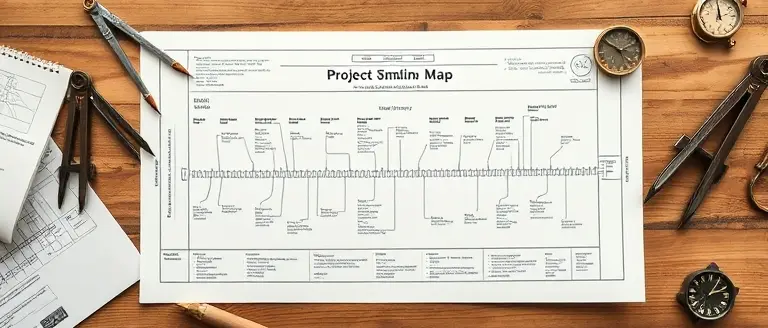
Following the strategic roadmap update provided by Bethesda Game Studios on July 17, 2026, the future of the franchise has shifted from speculative rumor to a concrete, multi-pronged development plan. This transition marks a significant operational pivot for the studio, balancing long-term innovation with the revitalization of legacy titles. Understanding the current status of these projects is essential for managing expectations, particularly regarding the Fallout 5 release window, which remains in the earliest stages of development.
The Current Development Hierarchy
The roadmap distinguishes clearly between primary internal projects and collaborative ventures. Below is the current organizational status of the confirmed Fallout pipeline:
- Fallout 5: Officially confirmed to be in pre-production. As this is the earliest phase of the software development lifecycle, Bethesda is currently focusing on foundational concept, narrative architecture, and engine requirements. No official release date or window has been provided.
- Fallout 3 and Fallout: New Vegas Remasters: These projects have been confirmed to be in active development. Unlike the foundational work required for a new entry, these remasters are positioned to modernize classic experiences for modern hardware.
- The Obsidian Collaboration: A new, standalone Obsidian Fallout project is currently in co-development. This partnership is highly anticipated by fans who view the synergy between Bethesda’s world-building and Obsidian’s narrative depth as a return to form for the series.
While the gaming community is eager for concrete launch dates, it is critical to note that “pre-production” for bethesda fallout 5 implies that the title is still several years away. The studio is currently prioritizing the Fallout 3 remaster engine integration and the collaborative efforts with Obsidian to maintain momentum in the Xbox Game Pass ecosystem. By diversifying their output, Bethesda is effectively bridging the gap between legacy fan favorites and the next generation of the franchise, ensuring a consistent stream of content while the mainline sequel matures through its internal pipeline.
Mastering the Wasteland’s Future
The path forward for the franchise is undeniably bright, yet the sheer volume of technical data—from the engine requirements for a Fallout 3 remaster to the strategic collaboration between Bethesda and Obsidian—is daunting. Staying ahead of these industry shifts requires more than just passion; it demands the kind of razor-sharp mental clarity that only high-level cognitive optimization can provide. Just as the most complex open-world RPGs require absolute focus and sustained attention to detail, keeping pace with the evolving Bethesda roadmap is an intellectual marathon.
This is where The Brain Song becomes your most essential inventory item. Designed for the deep-thinker and the analytical gamer, our specialized auditory optimization tool acts as a ‘buff’ for your cognitive performance, helping you eliminate mental fog while you dissect technical documentation and industry news. By integrating this 12-minute daily routine into your workflow, you ensure that your focus remains as precise as a VATS target, allowing you to synthesize every fragment of information with total confidence.
Don’t let the complexity of industry updates cloud your vision. Prepare yourself for the future of the wasteland by sharpening your greatest asset: your mind. Unlock your peak gaming focus and sharpen your analytical edge with The Brain Song—start your 12-minute daily routine today.
 Unlock your peak gaming focus and sharpen your analytical edge with The Brain Song—start your 12-minute daily routine today.Yes, I Want This Now!