

As of July 2026, the casual dining landscape is undergoing a significant shift, marked by the news that Red Robin is executing a strategic plan to shutter approximately 70 underperforming locations. For local communities, the sudden darkening of a familiar neighborhood spot often prompts immediate concern and speculation about the stability of the casual dining sector. However, these closures are primarily driven by a corporate-level mandate to reduce debt and optimize operational efficiency in an era of rapidly evolving consumer habits. Whether your local Red Robin remains open or is currently slated for transition, the reality is that these sites—often situated in prime commercial areas—are already being eyed for conversion by diverse businesses, from health-conscious chains like First Watch to new retail concepts.
Understanding this transition is about looking beyond the headlines and identifying what comes next for these vacant properties. The transformation of a shuttered restaurant into a vibrant, modern workspace or new business hub is no small feat; it requires precision, vision, and the right technical resources. As these spaces undergo extensive interior renovations, the demand for high-quality, professional-grade construction plans has never been higher, turning this trend into a unique opportunity for property owners, contractors, and DIY enthusiasts to breathe new life into existing infrastructure.
Understanding Red Robin’s Strategic Downsizing: Why Locations Are Closing
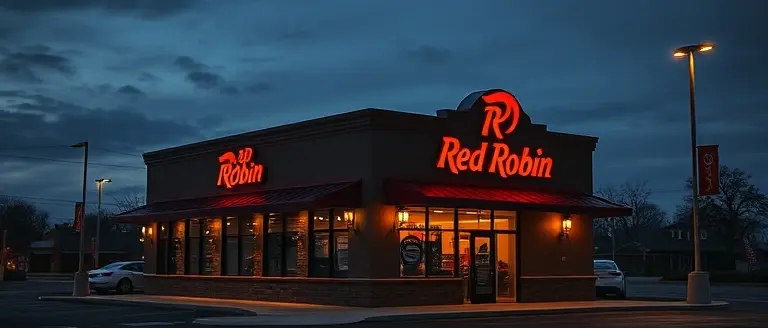
As of July 2026, the casual dining landscape is undergoing a significant transformation, with Red Robin emerging as a central figure in this shift. Following a mid-July corporate announcement, the chain confirmed a strategic downsizing plan to shutter approximately 70 underperforming restaurant locations nationwide. Far from signaling a total brand collapse, this move represents a calculated effort to fortify the company’s financial foundation. By pruning the lowest-performing assets from its portfolio, Red Robin aims to optimize its operational footprint and concentrate resources on locations that demonstrate stronger growth potential and profitability.
The Corporate Strategy Behind the Cuts
The decision to pursue widespread Red Robin closings is rooted in a broader initiative to improve balance sheet health. In an era where inflationary pressures and shifting consumer habits have challenged the traditional casual dining model, the company is prioritizing fiscal discipline. Key drivers behind these closures include:
- Debt Reduction: Shuttering underperforming units allows the brand to redirect cash flow toward paying down debt and investing in high-traffic, modern dining experiences.
- Operational Efficiency: Reducing the total store count helps the company streamline supply chains and labor allocation, ensuring that the remaining restaurants operate at peak performance.
- Adapting to Consumer Trends: Modern diners are increasingly moving toward fast-casual convenience and off-premise dining, prompting the company to reassess which real estate sites align with these evolving preferences.
Real Estate Transitions and Future Outlook
These closures are not occurring in a vacuum. As noted in local reports, including those from The Baltimore Sun, the retail space once occupied by a Red Robin is often being backfilled by new, thriving restaurant concepts like First Watch. This cycle of “retail churn” is common in the current commercial real estate climate, where landlords actively seek tenants that match modern foot-traffic patterns. By executing this orderly contraction, the company is positioning itself to remain a competitive player in the US restaurant market, focusing on long-term sustainability rather than immediate, short-term expansion.
Red Robin Store Closure Tracker: State-by-State Updates

As Red Robin moves forward with its strategic initiative to optimize its national footprint, the company has begun shuttering approximately 70 underperforming locations. This corporate-led effort is part of a broader financial strategy aimed at debt reduction and increasing overall operational efficiency within the competitive casual dining sector. For consumers, the primary concern remains whether their local neighborhood favorite is on the list. While the company has not released a singular, definitive master list, the following tracker consolidates confirmed reports based on official corporate disclosures and verified local news coverage, such as regional real estate reporting.
Verified Closure Status by Region
The following table highlights key areas where Red Robin closings have been confirmed. Please note that “Official” status indicates the location closure was verified via corporate filings or direct company statements, while “Local Reporting” indicates verification through regional news outlets like The Baltimore Sun.
| State | City | Location | Status | Source |
| :— | :— | :— | :— | :— |
| Maryland | Baltimore | [Specific District] | Permanently Closed | Local Reporting |
| [Pending] | [Pending] | [Pending] | [Under Review] | Corporate Update |
Understanding the Transition of Space
It is important for residents to note that the closure of a Red Robin unit does not necessarily signal a permanent vacancy for the site. Evidence suggests a trend of retail space turnover, where properties are being quickly backfilled by other dining concepts, such as First Watch or similar breakfast and lunch chains. These transitions are common in the current commercial real estate landscape, where high-traffic locations remain attractive to growing brands looking to expand their physical footprint without the delays of new construction.
We recommend that readers use this tracker as a guide for situational awareness. Because the company is executing these closures in phases, we advise checking local listings or the official Red Robin store locator before planning a visit to a location that may be undergoing a transition. We will continue to update this list as official data becomes available, ensuring you have the most reliable information regarding these strategic restaurant closures.
The Casual Dining Shift: What Happens to Vacated Spaces?
The current wave of Red Robin closings is a visible symptom of a larger transformation within the United States casual dining sector. As consumer preferences shift toward fast-casual models, quick-service efficiency, and healthier, specialized menus, legacy chains are finding it increasingly difficult to sustain large-footprint operations. These strategic closures are not merely about exiting the market; they are a calculated effort to optimize operational expenses and shed debt by offloading underperforming real estate. When a chain as prominent as Red Robin shutters a location, it rarely stays vacant for long, as these sites often occupy high-traffic, prime commercial corridors that are highly desirable for other restaurant concepts.
The Real Estate Rebound: From Casual Dining to Breakfast Concepts
Recent market data shows that the commercial real estate landscape is undergoing a significant “tenant transition.” For instance, reports from the Baltimore area highlight that shuttered Red Robin units are being rapidly repurposed by alternative dining brands, such as First Watch. This phenomenon, often called “second-generation space utilization,” is beneficial for both landlords and incoming tenants. New operators can inherit existing kitchen infrastructure, HVAC systems, and plumbing, which drastically reduces the time and capital required to open a new location compared to ground-up construction.
- Infrastructure Reuse: Incoming tenants save significant capital by utilizing existing kitchen hoods, grease traps, and dining room layouts.
- Prime Visibility: Most Red Robin locations are strategically placed in suburban retail hubs, making them ideal targets for expanding fast-casual or breakfast-centric brands.
- Consumer Shift: The transition from casual, dinner-heavy menus to agile breakfast and lunch-focused concepts aligns with current economic trends where diners prioritize accessibility and speed.
Ultimately, while the Red Robin closings represent a contraction for the specific brand, the rapid absorption of these spaces by competitors like First Watch suggests that the demand for physical dining experiences remains robust—provided the concept is aligned with modern consumer habits. This cycle of retail turnover acts as a survival-of-the-fittest indicator for the broader hospitality industry.
Consumer Impact: Navigating Changes to Your Local Red Robin

As Red Robin moves forward with its strategic plan to shutter approximately 70 underperforming locations, loyal customers may find their favorite neighborhood spot affected by these corporate adjustments. While these Red Robin closings are part of a broader effort to optimize operational expenses and reduce debt, the impact on the local community is tangible. If you are concerned about the status of a restaurant in your area, the most reliable approach is to avoid relying on speculative rumors circulating on social media. Instead, verify your local store’s operating status by checking the official Red Robin website or utilizing their mobile app, which is updated in real-time to reflect permanent closures or altered service hours.
Staying Informed and Managing Assets
If your preferred location is impacted, you may have questions regarding gift cards or loyalty rewards. Typically, Red Robin gift cards remain valid at all remaining corporate-owned locations across the United States. To manage your transition during these casual dining sector shifts, keep the following tips in mind:
- Official Store Locator: Always use the official Red Robin store locator tool before heading out; if a location is scheduled for closure, it will often be removed or marked as “permanently closed” in the system.
- Loyalty Program Status: Your Red Robin Royalty account rewards are generally tied to your profile, not a specific restaurant, meaning you can continue to redeem offers at any active franchise or corporate site.
- Customer Support: If you experience difficulty with a gift card or reward balance following a local closure, contact the corporate customer support line directly rather than visiting a closed storefront.
- Local News Monitoring: Keep an eye on local business reporting, such as updates in publications like The Baltimore Sun, which often track the conversion of vacated restaurant spaces into new commercial tenants like First Watch or other dining concepts.
By utilizing these verified channels, you can navigate these changes smoothly while continuing to enjoy the brand’s offerings at locations that remain part of their long-term operational footprint. Staying informed through official communication ensures you remain up to date as the chain continues its restructuring process.
Mastering the Art of Property Transformation
The wave of Red Robin closings represents more than just a reduction in footprint; it is a catalyst for urban renewal and real estate evolution. As these structures are repurposed to serve new purposes, the focus shifts from the loss of an old brand to the potential of a blank canvas. Whether you are a property manager overseeing a complex commercial renovation or a contractor tasked with adapting a space to meet modern safety and aesthetic standards, having access to accurate, professional documentation is the difference between a project that stalls and one that succeeds.
This is where precision engineering meets practical application. Just as these sites require a complete structural and interior overhaul to host their next business occupant, your own construction or renovation projects depend on the clarity of your blueprints. If you find yourself navigating the logistical challenges of space conversion, relying on guesswork can lead to costly delays and structural errors that compromise the integrity of your investment. It is time to treat your renovation with the professional rigor it demands.
Our comprehensive library of over 16,000 professional-grade construction plans is designed to serve as the ultimate blueprint for your transformation. By eliminating the ambiguity of complex builds, these resources empower you to execute every detail with confidence, ensuring that whether you are modifying a commercial unit or tackling a private home improvement project, you are equipped with the industry-standard precision needed for a seamless finish.
 Looking to master your own renovation or commercial property upgrade? Explore the most comprehensive library of professional construction plans to ensure your project stays on track.Transform My Space Now!