
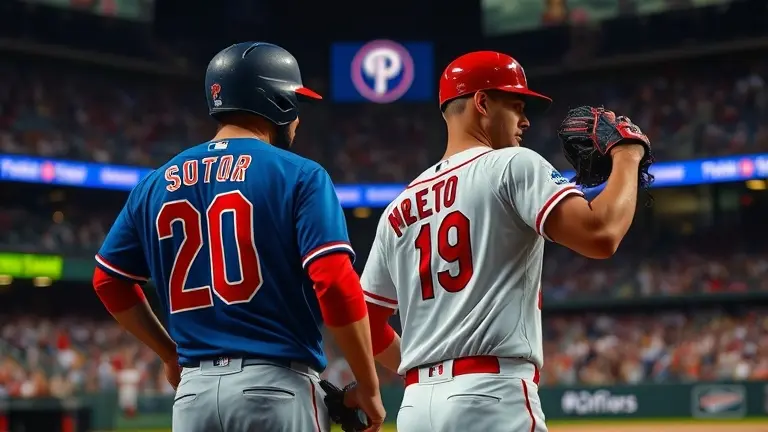
The July 16, 2026 return from the All-Star break brings an explosive Mets vs Phillies showdown to Citizens Bank Park, but this isn’t just another divisional clash. Beyond the standard box scores, a psychological battle of epic proportions looms: Phillies ace Aaron Nola facing his ultimate kryptonite, New York’s Juan Soto. With Soto boasting a staggering 12 hits and 5 home runs against the right-hander, the tension on the mound is palpable. Compounding this pressure is the uncertain environment in Philadelphia, where local air quality concerns have forced a shift in scheduling, turning an already high-stakes return into a complex logistical puzzle for both managers.
For the serious analyst or bettor, these variables—the psychological burden of a dominant hitter, the volatility of air density, and the urgency of a mid-season push—are where the real value is found. While the mainstream media settles for shallow statistical summaries, this matchup demands a deeper look at how elite professionals manage cognitive load under pressure. Understanding the narrative behind the numbers isn’t just for the players; it’s the key to dissecting the game with the precision required to come out on top.
The All-Star Return: Stakes Behind the Mets vs. Phillies July 16 Clash

The Mets vs. Phillies matchup on July 16, 2026, represents far more than a standard post-All-Star break contest; it serves as a high-stakes pivot point for both franchises as they gear up for a grueling second-half push. This standalone game, often used by MLB to capture a captive audience, carries added weight as the division rivals look to establish immediate momentum. However, the narrative took an unexpected turn when local environmental conditions forced a rescheduled start time at Citizens Bank Park. This shift, driven by air quality concerns, has introduced a tangible layer of operational uncertainty that extends beyond the diamond.
For coaching staffs and analytics departments, these environmental hurdles necessitate rapid adjustments to pre-game routines and pitcher warm-up protocols. The humidity and air quality can influence ball carry and pitcher endurance, adding a complex variable to an already tense rivalry. Betting markets have been particularly reactive to this news, as savvy analysts attempt to calculate how these atmospheric changes might influence the performance of starters like Aaron Nola. When external factors disrupt the standard schedule, the resulting variance often creates unique opportunities for those monitoring the Phillies vs. Mets prop markets beyond generic spreads.
Key factors to monitor as the game approaches include:
- Operational Fatigue: How the rescheduled start impacts the pitchers’ recovery windows coming directly off the mid-season break.
- Environmental Impact: The effect of air quality on flight characteristics, specifically affecting deep-ball hitters who rely on traditional trajectory patterns.
- Managerial Strategy: How both teams adjust their bullpen usage in a standalone game where losing the first post-break contest could impact locker room morale.
- Prop Market Volatility: The shift in focus toward “player vs. pitcher” histories—most notably Juan Soto—given that the starting environment may favor his specific plate approach against Nola’s spin-heavy repertoire.
As the Mets look to capitalize on their recent hot streaks, the burden rests on the Phillies to defend their home turf despite the logistical hurdles. This clash is a definitive case study in how modern baseball navigates both individual player “kryptonite” matchups and unpredictable situational constraints.
Advanced Matchup Report: The Soto vs. Nola Psychological Edge
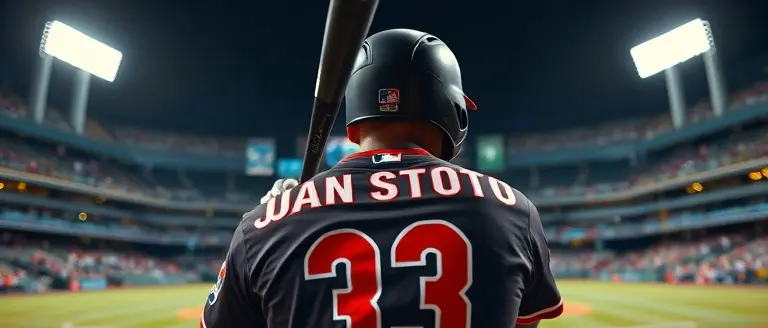
In the high-stakes environment of the Mets vs Phillies rivalry, few individual battles carry as much weight as the head-to-head collision between Juan Soto and Aaron Nola. While general team metrics often dominate pre-game analysis, the psychological leverage established in this specific pairing is a primary variable for the July 16, 2026, return from the All-Star break. Soto has historically dismantled Nola’s pitching arsenal, recording 12 hits and 5 home runs, a stat line that suggests more than just simple coincidence; it reveals a fundamental mismatch in pitch recognition and release-point timing that Nola has struggled to reconcile.
Deconstructing the Psychological Hurdle
The intensity of this phillies vs mets series is amplified by the fact that Nola, typically an anchor for the Philadelphia rotation, enters this matchup with the burden of past failures against the Mets superstar. For a pitcher of Nola’s caliber, the “Soto factor” creates an immediate tactical disadvantage that impacts his entire approach to the lineup:
- Strategic Caution: Nola is forced to pitch around Soto, potentially leading to increased walk rates or “pitching scared” to avoid the long ball, which disrupts his rhythm against the rest of the New York roster.
- The “Kryptonite” Effect: When a batter consistently generates elite-level damage against a specific starter, it forces a managerial dilemma regarding pitch sequencing and the potential for an early bullpen bridge.
- Environmental Pressures: The added variable of localized air quality at Citizens Bank Park—which forced a rescheduled start time—adds a layer of sensory fatigue. Navigating these atmospheric hurdles while managing the mental pressure of facing a career nemesis increases the margin for error for Nola.
Ultimately, the Aaron Nola versus Juan Soto dynamic represents a pivot point for the game’s outcome. Bettors and analysts should look closely at how Nola navigates these early-inning encounters; if Soto secures a productive at-bat early, it could signal a long, difficult night for the Phillies’ pitching staff, further intensifying the rivalry implications as both teams begin their second-half push.
Situational Handicapping: How Air Quality and Weather Impact Prop Bets

For the serious bettor, the Mets vs Phillies matchup on July 16, 2026, serves as a masterclass in situational handicapping. Beyond the standard statistical profiles, the localized air quality concerns at Citizens Bank Park introduce tangible variables that can disrupt pitcher endurance and defensive reaction times. While mainstream outlets focus on the high-profile conflict between Juan Soto and Aaron Nola, savvy bettors must account for how atmospheric particulate matter and delayed start times alter the physical output of elite athletes. Poor air quality can lead to increased respiratory strain, potentially shortening the duration of high-intensity efforts for starters like Nola, who relies heavily on precise command and stamina to navigate the middle innings.
Tactical Implications for Prop Betting
When analyzing the Phillies vs Mets series opener, consider the following environmental impacts on your prop selections:
- Pitcher Fatigue and Efficiency: Environmental stressors often accelerate the rate of physical depletion. If the air quality index remains elevated, expect a more conservative pitch count strategy from managers, which creates value on the “Under” for total strikeouts recorded by starters.
- Ball Flight and Carry: Changes in air density—often correlated with humidity and particulate levels—can influence how the ball travels. If the air is heavy or saturated, look for “Under” opportunities on home run props, as the carry may be suppressed even for power hitters like Soto.
- Defensive Latency: Late-afternoon schedule adjustments disrupt the circadian rhythms and pre-game preparation of players. This “operational urgency” often results in sharper focus initially, but potentially higher error rates or slower reaction times during the later frames of the game.
By integrating these situational factors with the historical dominance of Juan Soto—who has terrorized Aaron Nola with 12 hits and 5 home runs—you can move beyond generic odds. Rather than betting on pure talent alone, weigh the environmental “kryptonite” against the physical toll the current atmosphere places on the mound. In high-stakes baseball, the game is won in the margins, and these atmospheric variables provide the necessary context to refine your edge in the prop betting market.
The Rivalry Anchor: Sustaining the Mets vs. Phillies Narrative
The Mets vs. Phillies rivalry has evolved beyond a simple divisional clash, cementing itself as the primary narrative anchor for the 2026 Major League Baseball second half. As both clubs emerge from the All-Star break, this high-stakes meeting serves as a litmus test for organizational trajectory. While statistical matchups—such as the psychological hurdle Aaron Nola faces when pitching to Juan Soto—dominate the headlines, the broader implications involve how these teams manage pressure in the lead-up to the trade deadline. Narrative-driven reporting is essential here; we are moving past mere box scores to analyze the intangible elements of the NL East race, including how shifting environmental factors, such as the recent air quality concerns at Citizens Bank Park, disrupt the rhythm of elite pitchers.
To sustain interest in this phillies vs mets saga, fans and analysts must look toward a multi-layered analytical framework that treats these games as seasonal pillars. We will track how this rivalry influences strategic decision-making in the front office, specifically:
- Managerial Leverage: How situational stressors, like the Nola-Soto dynamic, force mid-game tactical shifts.
- Environmental Impact: Understanding how rescheduled games and volatile weather conditions affect bullpen management and pitcher stamina.
- Trade Deadline Posturing: Analyzing if current head-to-head dominance dictates which pieces the Mets or Phillies target to secure an edge.
By framing each encounter as an extension of an ongoing struggle for divisional supremacy, we provide the depth necessary for both casual observers and serious prop bettors. This rivalry isn’t just about a single game on July 16; it is the heartbeat of the second-half push, setting the tone for every subsequent meeting between these two giants.
Mastering the Variables of High-Stakes Performance
As the Mets and Phillies clash, the difference between a winning prediction and a missed opportunity lies in your ability to synthesize historical player data with the raw, unpredictable reality of environmental stressors. Just as Aaron Nola must fight to maintain composure while facing a batter who has systematically dismantled his confidence, your success in the betting markets hinges entirely on your own cognitive clarity. When the noise of the season intensifies and the margins for error shrink, mental fog is the enemy of the sharp analyst.
This is where The Brain Song becomes your most critical piece of equipment. Designed to sharpen your neurological focus and accelerate your analytical speed, this 12-minute audio routine is the pre-game ritual that allows you to cut through the data clutter. While others struggle to process the complex variables of air quality and historical fatigue, The Brain Song empowers you to maintain the peak cognitive sharpness required to see the game as it truly is, allowing for clearer, faster, and more profitable decision-making.
You are analyzing elite competition—you deserve an elite tool to support your process. By integrating this neurological solution into your workflow, you bridge the gap between passive fan analysis and professional-grade betting insight. It is time to move beyond the surface and sharpen your mental edge to match the intensity of the diamond.
 Unlock your peak analytical edge before the first pitch—start your daily Brain Song routine today.Transform My Mental Edge Today!