

The hockey world has officially shifted beneath our feet. With the release of the 2026-27 NHL schedule on July 16, fans and analysts are waking up to a monumental structural transformation: the return to an 84-game regular season for the first time in over three decades. This isn’t just an extra two games per team; it is a fundamental shift in competitive dynamics, logistical travel intensity, and roster depth requirements that will define the upcoming NHL 27 campaign. As the league pivots to this grueling new format, the sheer volume of data—from key season openers to complex inter-conference matchups—has moved beyond simple tracking into a high-level analytical challenge.
For the dedicated fan, keeping pace with this expanded landscape is no longer just about checking dates; it is about navigating a season that demands unprecedented mental bandwidth. With the new 84-game schedule demanding more attention and mental focus than ever, your ability to process the nuances of every twist and turn of the season is your greatest advantage. As we break down the league-wide milestones and the logistical intensity of this new era, we must also address how you, the fan, can sharpen your own analytical edge to stay ahead of the curve.
The 2026-27 NHL Schedule Reveal: A Historic Shift to 84 Games

The official NHL schedule for the 2026-27 season was unveiled on July 16, 2026, signaling a seismic shift in the professional hockey landscape. For the first time since the 1993-94 season, the league has officially expanded its regular-season slate to 84 games. This structural change represents the most significant alteration to the league’s calendar in over three decades, moving away from the long-standing 82-game tradition to accommodate evolving broadcast requirements, increased fan demand, and a desire for greater inter-conference variety.
Why the League Expanded to 84 Games
The decision to transition to an 84-game format serves multiple strategic purposes. League officials indicated that the expansion aims to enhance competitive parity by providing more opportunities for intra-divisional matchups while simultaneously generating additional revenue through increased game inventory. By extending the schedule, the NHL is also looking to balance travel intensity across the league, allowing for a more modernized approach to player recovery and logistics in an era of heightened athletic performance standards.
Key impacts of this historic shift include:
- Earlier Start Dates: The expanded calendar has pushed the start of the season into mid-September, moving away from the traditional early-October opening night to accommodate the two additional contests.
- Increased Roster Depth: Coaching staffs are now emphasizing the importance of broader, more versatile rosters to combat the added fatigue inherent in an 84-game grind.
- Refined Ticket Availability: With the release of the NHL 27 schedule, fans can now begin securing seats for a larger number of high-stakes matchups, including critical banner-raising ceremonies and heated rivalry games that anchor the new slate.
This transition marks a new chapter for the sport. As teams adjust their training regimens and scouting focuses to account for the longer season, the broader professional landscape will be watching closely to see how this extra physical toll impacts team performance heading into the postseason. Early fan engagement remains high, with supporters across North America aggressively tracking home openers and division-clinching potential in this expanded format.
The New Era: Logistical Changes for Players and Coaches

The official nhl schedule release for the 2026-27 season represents a monumental shift in professional hockey, as the league transitions to an expanded 84-game format. This extension beyond the traditional 82-game slate marks the first such increase since 1993-94, forcing coaching staffs and front offices to fundamentally rethink their approach to seasonal conditioning. With two additional games added to the calendar, the cumulative physical toll on rosters is expected to be significant, demanding a more sophisticated approach to load management and athlete recovery.
Adapting to Increased Travel and Physical Toll
To survive the expanded nhl 27 season, organizations are heavily investing in data-driven travel logistics. Coaches are prioritizing the reduction of “high-intensity travel cycles”—instances where teams face back-to-back games across multiple time zones. By analyzing travel-intensity heatmaps, team operations are optimizing flight schedules and hotel proximity to minimize fatigue. Key adjustments include:
- Enhanced Load Management: Expect to see veteran players sitting out more frequent “maintenance days” during the mid-season grind to preserve longevity for the playoffs.
- Expanded Roster Utilization: Teams will lean deeper into their depth charts, placing a higher premium on call-ups from the AHL to fill gaps during congested schedule segments.
- Refined Conditioning Programs: Strength and conditioning staffs are shifting focus from high-volume training to recovery-centric modalities, such as cryotherapy, hyperbaric chambers, and personalized nutritional protocols designed to combat the accelerated wear of the 84-game schedule.
Competitive parity remains the league’s top priority, yet the nhl acknowledges that this logistical shift places unprecedented pressure on medical staff to monitor biomarkers of exhaustion. While the added games generate extra revenue and fan engagement, the long-term success of the 2026-27 season will likely be defined by which franchises best navigate the delicate balance between maximum effort and essential athlete preservation.
Interactive 2026-27 Key Date Tracker: Your Team’s Roadmap
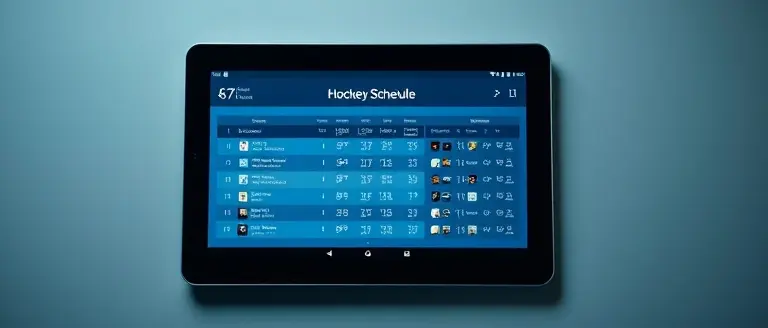
Navigating the expanded 84-game NHL schedule requires more than just a calendar; it demands a strategic approach to tracking the season’s most pivotal moments. With the NHL 27 season introducing a more rigorous travel intensity and earlier start dates, our integrated digital hub acts as a central repository for your team’s specific milestones. Fans can now filter by franchise to pinpoint exact dates for high-stakes home openers, divisional grudge matches, and the highly anticipated banner-raising ceremonies for defending champions, such as the Carolina Hurricanes. By utilizing this interactive tracker, you eliminate the guesswork associated with ticket drops, ensuring you have direct access to official league portals as soon as seats become available.
Essential Milestones to Monitor
To get the most out of the upcoming season, focus your attention on these critical categories within the tracker:
- Home Opener Extravaganzas: With the season shifting earlier, verify the specific start date for your team, as these games often feature high-production fan engagement events.
- Rivalry Series: Due to the structural changes in the 84-game format, traditional rivalries have been intensified; use our tool to spot back-to-back high-leverage matchups.
- Jersey Retirement Ceremonies: Keep a close watch on scheduled tribute nights, as these sell out faster than standard regular-season games.
- Ticket Availability Links: Each entry is linked directly to verified primary market sellers, such as the upcoming Boston Bruins ticket release on July 17.
As the league transitions to this new era, roster depth will be tested like never before. Evidence suggests that the added two games increase the physical toll on players, making team-wide rotation patterns and rest-day analysis more relevant for the dedicated fan. Use our tracker not just to attend games, but to monitor how your favorite team manages the grueling new pace of the NHL schedule. Whether you are planning a road trip or securing season tickets, the roadmap provides the transparency necessary to navigate this historic 2026-27 campaign with confidence.
Old vs. New: Visualizing Schedule Intensity

The official nhl schedule release for the 2026-27 season marks a historic shift in professional hockey, transitioning from the long-standing 82-game format to an expanded 84-game slate. This structural change significantly alters the league’s logistical landscape, introducing new variables regarding player endurance, travel fatigue, and roster management. As teams prepare for the expanded nhl 27 calendar, the condensed timeline necessitates a strategic approach to rest and recovery that differs substantially from historical norms.
The Impact of Two Additional Games
While two extra games may appear marginal, the cumulative effect on a team’s travel intensity is substantial. By mapping out the new nhl schedule, analysts have identified several key shifts in how intensity is distributed across the season:
- Increased Back-to-Back Sets: The league has had to compress segments of the schedule to accommodate the additional matchups, leading to an uptick in high-stress, back-to-back game sequences for many franchises.
- Travel-Intensity Heatmaps: With the addition of two games, regional clusters are more densely packed, though long-haul inter-conference travel remains a primary concern for player recovery.
- Rest and Recovery Windows: Evidence suggests that “rest gaps” between high-intensity road trips are becoming shorter, forcing coaches to utilize deeper roster rotations to maintain competitive parity.
The transition to an 84-game format forces organizations to rethink their physical training regimens. Under the previous 82-game era, the cadence allowed for standardized recovery periods; however, the new structure demands that coaching staffs prioritize “load management” to mitigate injury risks. By analyzing the nhl schedule release through a data-driven lens, it becomes clear that teams with deeper bench depth will hold a distinct advantage as the season progresses into the late spring. Fans and analysts alike should monitor these intensity shifts, as they will likely influence playoff seeding and final standings more than in any previous campaign.
Stay Sharp for the Longest Season Yet
The 2026-27 NHL season promises to be the most demanding and strategically complex year in modern hockey history. As teams battle through the rigors of an 84-game schedule, the density of information required to track performance, rivalry intensity, and playoff trajectories has reached an all-time high. Mastering this new landscape requires more than just passion; it demands peak mental clarity to synthesize these sprawling logistical changes into actionable insights.
This is where your cognitive performance becomes your ultimate competitive advantage. Just as the players must optimize their recovery to survive the expanded calendar, you need a method to maintain absolute focus while processing this deluge of team data and schedule milestones. The Brain Song is the only tool designed to cut through this specific type of mental fatigue, offering a science-backed routine to enhance your cognitive endurance. It bridges the gap between passive observation and elite analysis, ensuring you remain as sharp as the game itself.
By integrating a 12-minute daily cognitive routine, you transform your ability to absorb, analyze, and react to every nuance of the upcoming NHL slate. Don’t let the intensity of the new 84-game era overwhelm your focus—harness your potential to master the data and stay ahead of every game on the calendar.
 Sharpen your focus to master the 2026-27 schedule—start your daily 12-minute cognitive routine here.Yes, I Want To Master The Schedule!