

The sky across the Great Lakes and Midwest has turned an eerie, hazy orange as over 830 active wildfires burn across Canada. With more than 100 fires classified as ‘out of control,’ smoke has descended upon the United States, leaving over 100 million Americans breathing air filled with dangerous PM2.5 particles. From Chicago to the Hudson Valley, the visible pollution has grounded flights, shuttered major outdoor events, and left millions asking, ‘why is the air quality so bad today?’ It is a visceral, environmental crisis that demands more than just checking an AirNow alert; it requires a proactive strategy to protect your household.
As you monitor current maps and track the shifting indices in Michigan air quality reports or air quality Wisconsin updates, it is easy to feel powerless against the haze. However, relying solely on external monitoring is only half the battle. While you track the path of the smoke, you must also prioritize your biological resilience. This guide goes beyond the generic alerts to provide you with a hyper-local survival framework, ensuring that while the air outside remains volatile, your internal health remains defended against the onslaught of fine particulate matter.
Current Status: The July 2026 Canadian Wildfire Crisis
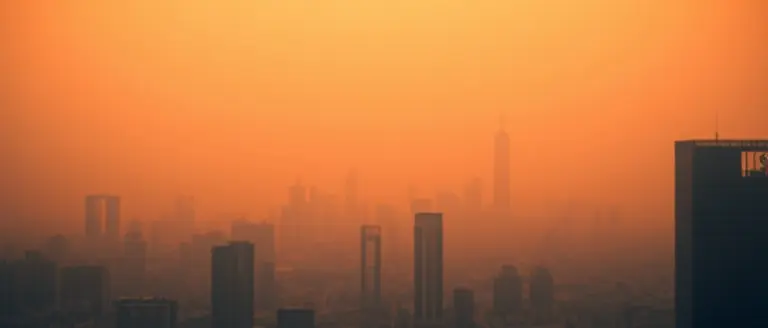
As of July 16, 2026, North America is grappling with an unprecedented environmental emergency. A massive wildfire event in Canada has escalated to include over 830 active fires, with more than 100 officially classified as “out of control.” This surge in activity has released vast plumes of particulate matter into the atmosphere, which are currently being funneled into the United States by persistent jet stream patterns. This trajectory is creating a significant public safety crisis, particularly across the Great Lakes and the Midwest, where residents are frequently searching for a canadian wildfire smoke map to track the encroaching haze.
The scale of this event is historic, with approximately 100 million Americans currently under air quality alerts due to dangerous concentrations of PM2.5 particles. These fine inhalable particles are small enough to penetrate deep into the lungs and enter the bloodstream, posing severe health risks. The impact is geographically broad, affecting major hubs like Chicago and Detroit while extending into the Northeast. Consequently, users are increasingly asking, “why is the air quality so bad today,” as they observe the visible, thick haze settling over their cities. Data from airnow confirms that current conditions in regions like Michigan air quality zones and air quality Wisconsin sectors have plummeted to unhealthy or hazardous levels.
The situation has forced significant disruptions to daily life and critical infrastructure:
- Transportation: Flight operations have faced grounding and delays at major airports due to limited visibility.
- Public Events: High-profile gatherings, including major FIFA-related events, have been canceled to protect public health.
- Health Advisories: Officials have urged residents to limit outdoor exposure, as the density of the smoke creates hazardous breathing conditions even for healthy individuals.
Atmospheric researchers suggest that the combination of prolonged drought and record-breaking heat in the Canadian boreal forests has fueled this intensity. As the smoke continues to drift southward, tracking these maps remains the most effective way for vulnerable populations—including children, the elderly, and those with respiratory issues—to plan their movements and manage their exposure to toxic air.
Real-Time AQI and Smoke Density Maps for Your Region

To navigate the current environmental crisis, residents must utilize reliable canadian wildfire smoke map resources to make informed daily decisions. As of mid-July 2026, the intersection of over 830 active wildfires is creating unprecedented haze across the Midwest and Northeast. While national headlines offer a broad overview, your safety depends on monitoring hyper-local airnow data to track PM2.5 concentrations in real-time. Whether you are checking Michigan air quality or assessing conditions in the Hudson Valley, differentiate between current readings, which reflect immediate pollutant levels, and smoke density forecasts, which predict the movement of plumes over the next 24 to 48 hours.
Understanding Your Local Risk
When interpreting these maps, it is critical to understand the Air Quality Index (AQI) thresholds. A move from orange to red or purple alert status indicates that the air is no longer safe for sensitive groups or, in extreme cases, the general public. In regions like Chicago, Wisconsin, and the broader Great Lakes corridor, persistent stagnant air patterns often trap these fine particulates near the surface.
To effectively monitor your specific area, follow these guidelines:
- Check Daily Trends: Use the official airnow dashboard to see if your local AQI is trending upward throughout the day, which often happens as daytime heating shifts air currents.
- Distinguish Forecasts vs. Current Data: Current readings tell you if you should stay inside now, whereas smoke density maps help you plan your schedule for the next two days.
- Identify Your Zone: If you live in high-impact states like air quality Wisconsin reports or Illinois, prioritize localized sensor networks that provide street-level granularity rather than regional averages.
If your region is under a red or purple alert, evidence suggests that avoiding strenuous outdoor activity is the most effective way to minimize respiratory distress. By consistently checking these verified sources, you gain the situational awareness necessary to mitigate health risks until the smoke subsides.
Actionable Survival Guide: Protecting Your Indoor Air Quality

When the Canadian wildfire smoke map shows heavy particulate matter drifting across the Midwest and Great Lakes region, your home must serve as a primary barrier against toxic PM2.5 pollutants. To maintain safe indoor levels, prioritize high-efficiency air purification. Ensure your air purifier features a true HEPA filter, which is certified to capture 99.97% of particles as small as 0.3 microns. When selecting a unit, check the CADR (Clean Air Delivery Rate); choose a model that can cycle the air in your room at least four to five times per hour. Avoid ozone-generating air cleaners, as these can exacerbate respiratory irritation during already hazardous air quality events.
Sealing Your Home and Masking Efficacy
To minimize smoke infiltration, perform a “tight-seal” check of your living space. Close all windows and doors, and use weather stripping or damp towels to block gaps under exterior doors. If you must go outside—particularly in states like Michigan air quality hotspots or air quality Wisconsin zones—standard surgical masks or cloth face coverings provide negligible protection against fine smoke particles. Evidence suggests that only NIOSH-approved N95 or P100 respirators effectively filter out the volatile organic compounds and fine particulates found in wildfire plumes.
Is It Safe to Exercise Today?
Many residents are asking, “why is the air quality so bad today,” and whether it is safe to maintain their fitness routines. Use the following rubric based on real-time AirNow data to make informed decisions:
- AQI 0–50 (Good): It is generally safe to exercise outdoors.
- AQI 51–100 (Moderate): Sensitive individuals should reduce prolonged outdoor exertion.
- AQI 101–150 (Unhealthy for Sensitive Groups): Avoid strenuous outdoor activity.
- AQI 151+ (Unhealthy/Hazardous): Move all exercise indoors to a climate-controlled environment with high-efficiency air filtration. If you feel chest pain, shortness of breath, or dizziness, seek medical attention immediately.
Navigating Environmental Anxiety During Prolonged Haze

The persistent presence of canadian wildfire smoke across the Midwest and Northeast is not merely a public health crisis; it is a significant psychological stressor. When the sky turns a hazy, unnatural color and public safety alerts dominate daily life, many individuals experience “environmental anxiety”—a profound sense of helplessness caused by limited mobility and the feeling of confinement. As millions of Americans check their airnow readings daily, the cumulative effect of being unable to exercise outdoors or gather for community events can lead to feelings of stagnation and increased irritability. It is essential to recognize that this emotional response is a valid reaction to an unpredictable environment where your “normal” daily routine is forcibly disrupted by external forces beyond your control.
Strategies for Mental Resilience
Managing your mental health during these extended air quality events requires shifting your focus from what you cannot control to the micro-environments you can influence. Experts suggest implementing the following grounding techniques and routine adjustments to mitigate stress:
- Curate Your Information Intake: While staying updated on a canadian wildfire smoke map is necessary, constant refreshing of AQI data can trigger a cycle of hyper-vigilance. Set specific “check-in” times rather than obsessively monitoring the situation.
- Reframe Indoor Environments: When you cannot go outside in states like Michigan air quality or across the Midwest, focus on optimizing your indoor sanctuary. Improve air circulation with high-efficiency HEPA filtration to create a sense of tangible control over your immediate space.
- Prioritize Movement Variations: Physical activity is vital for mental health. If outdoor exercise is unsafe, pivot to low-impact indoor alternatives like yoga, guided pilates, or strength circuits to maintain endorphin levels without compromising your respiratory health.
- Foster Virtual Connection: When outdoor social events are cancelled, combat isolation by scheduling virtual social hours. Human interaction is a potent buffer against environmental stress.
By actively managing how you consume news and structuring your indoor time, you can lower your stress levels while waiting for atmospheric conditions to stabilize. Remember that this period of restricted air quality is temporary, and focusing on small, actionable steps within your home can effectively anchor your well-being during even the most severe haze events.
Fortify Your Body’s First Line of Defense
Navigating these prolonged air quality events requires more than just tracking the next shift in wind direction. While HEPA filters and masking are essential external barriers, the persistent inflammation caused by PM2.5 particles necessitates a deeper, internal management strategy. Beyond monitoring the air outside, safeguarding your internal defenses against respiratory irritation is a critical yet often overlooked step in your survival strategy.
This is where internal environmental management becomes vital. ProDentim offers a unique approach by supporting the oral and respiratory microbiome, which serves as your body’s initial defense system against the heavy smog and particulate matter currently circulating. By focusing on the health of your sinuses and upper respiratory system, you can better manage the sensitivity and inflammation triggered by these environmental hazards, moving from reactive monitoring to proactive wellness.
Supporting your respiratory health is not just about comfort; it is about building the resilience required to thrive during these uncertain times. By fortifying your body’s natural defenses, you are taking a necessary, proactive step in your personal survival guide, ensuring that even when the air quality is poor, your wellness remains a priority.
 Support your respiratory and sinus health today by fortifying your body’s natural defenses against airborne irritants.Protect My Respiratory Health Now!