
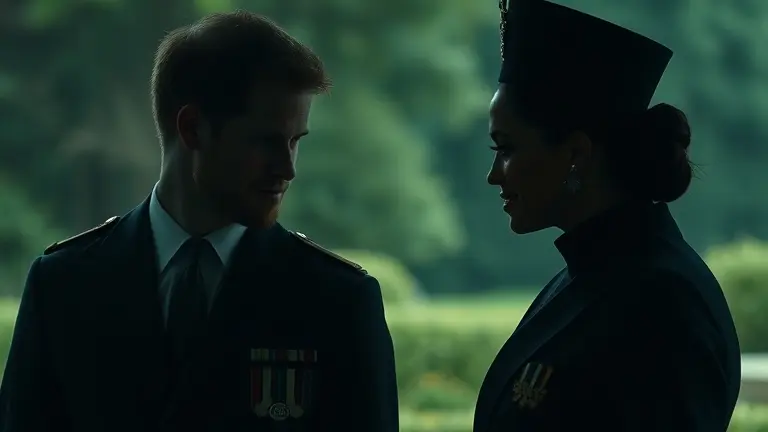
When Prince Harry, Meghan Markle, and their children arrived in the United Kingdom in mid-July 2026, the global media narrative was predictable: a high-stakes family reunion fraught with tension and protocol. Yet, beneath the headlines of the July 10th meeting at Highgrove House with King Charles III, a more complex reality exists. This visit serves as a modern case study in how public figures struggle to reconcile intense, deeply human familial discord under the unrelenting gaze of 24/7 digital scrutiny. While the public focuses on the ‘no contact’ status between the brothers, the logistical and emotional pressure on the monarchy to manage these appearances reveals a growing, silent crisis in institutional communication.
Moving past the tabloid sensationalism, we find a story about the intersection of individual human needs and the rigidity of public life. The King’s delicate effort to balance his sovereign duties with his role as a father—against a backdrop of shifting public opinion and security complexities—offers a unique lens into the psychological barriers to reconciliation. Understanding why these high-profile rifts remain so resistant to repair requires looking deeper into the unspoken, primal drivers that dictate male attachment and emotional commitment, even at the highest levels of society.
The July 2026 Visit: A Complex Reunion at Highgrove

The Prince Harry UK visit July 2026 marked a significant, albeit challenging, chapter in the ongoing narrative of the British Royal Family. Arriving in the United Kingdom alongside Meghan Markle, Prince Archie, and Princess Lilibet, the Sussex family’s presence ignited global media attention. The centerpiece of this trip was the highly anticipated, face-to-face meeting between Prince Harry and King Charles III at Highgrove House, which took place on July 10, 2026. While the logistics of royal security and travel remain heavily managed, this specific encounter was viewed by observers as a pivotal moment for father-son relations.
A Study in Contrasts: Reconciliation vs. Estrangement
The dynamics of the July trip were defined by a sharp dichotomy between the progress made with the sovereign and the continued silence regarding other senior family members. Key takeaways from the week include:
- The Highgrove Meeting: Reports confirm that the July 10 meeting occurred, with various sources describing the atmosphere as a “hopeful high point” for the King, who continues to navigate his dual identity as both a reigning monarch and a parent.
- Persistent Sibling Distance: Despite the thaw in relations between Harry and his father, confirmation persists that there was absolutely no contact between Prince Harry and Prince William. This ongoing “no contact” status remains a foundational element of the current royal climate.
- Logistical Pressures: The visit was characterized by high-stakes security arrangements and complex decision-making, which reportedly created moments of significant tension behind the scenes before the meeting at Highgrove took place.
While tabloids have leaned into the “nightmare” framing of the trip, an objective analysis suggests that this visit serves as a primary example of how familial reconciliation is complicated by the rigid, institutional structure of the monarchy. The visit demonstrates that while personal milestones—such as the King’s meeting with his youngest son—are achievable, they occur against a backdrop of deep-seated institutional and personal distance that continues to define the brothers’ relationship. Distinguishing between the confirmed logistical reality of the Highgrove reunion and the speculative emotional narratives remains essential for understanding the actual state of the royal family in 2026.
Balancing Sovereignty and Paternity: The King’s Dilemma

The Prince Harry UK visit July 2026 highlights a profound, ongoing tension between the private obligations of a father and the rigid, high-stakes requirements of the British monarchy. For King Charles III, navigating this landscape requires a delicate calibration. He is tasked with maintaining the dignity of the Crown while simultaneously attempting to foster a meaningful, personal connection with his youngest son. This duality is not merely a matter of family preference; it is a complex administrative challenge that plays out under the microscope of 24/7 global digital scrutiny.
Managing Logistical Friction
The friction reported during the July 2026 trip—specifically regarding security arrangements—serves as a primary example of how administrative protocol often clashes with human dynamics. Reports of “complete exasperation” within the royal household suggest that the logistical burden of coordinating a visit of this nature is immense. These challenges stem from:
- Security Protocols: The evolution of royal security requirements makes every visit a complex, multi-agency operation that must account for public perception and physical safety.
- Administrative Hurdles: Even minor deviations from established schedules can ripple outward, complicating the King’s public-facing agenda and fueling intense media speculation.
- Institutional Constraints: As sovereign, the King is bound by institutional policies that provide little room for the flexibility often required in personal conflict resolution.
Ultimately, the meeting at Highgrove House demonstrates that while the monarch may desire personal reconciliation, the infrastructure of the monarchy is rarely designed to facilitate it. Balancing the role of a sovereign with the role of a father means that even the most “hopeful” reunion must be viewed through the lens of rigorous protocol. The King’s efforts represent a significant institutional test, signaling that in the modern digital age, managing familial discord is as much about logistics as it is about emotional diplomacy.
Security and Logistics: Protecting High-Profile Figures in a Digital Era
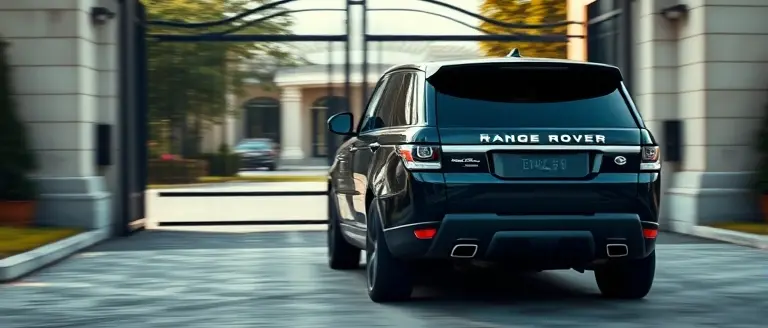
The Prince Harry UK visit July 2026 highlights a modern paradigm shift in the protection of high-profile figures. Unlike previous decades where movements could remain relatively opaque, the current digital landscape necessitates a sophisticated, multi-layered approach to security. When public figures transition from “working royals” to private citizens, the administrative burden of maintaining safety while navigating the United Kingdom becomes a logistical exercise in risk mitigation. This complexity is compounded by real-time social media tracking and the ability of amateur observers to crowdsource the location of high-value targets, forcing protective details to adopt increasingly rigid protocols.
The Complexity of Modern Protection
Managing security for the Sussex family involves more than just personnel; it requires seamless coordination between local authorities and private contractors. The challenges encountered during this July visit exemplify why security is often a point of contention rather than a routine formality. Modern security infrastructure must account for:
- Real-time Digital Surveillance: The ubiquity of smartphone technology means that any public sighting can be instantly broadcast, creating dynamic vulnerabilities that fixed-security teams struggle to contain.
- Volatile Public Interest: Rapidly shifting narratives regarding family dynamics can lead to unpredictable crowds, necessitating flexible transit and housing arrangements.
- Diplomatic vs. Private Status: As the family moves between these roles, the transition from state-provided protection to private security introduces complex legal and liability frameworks that are frequently misunderstood by the public.
By analyzing the logistical hurdles of this visit, it becomes clear that “protection” in the digital age is as much about data privacy and disinformation management as it is about physical guarding. As high-profile figures continue to navigate international travel, the emphasis must shift toward standardized, predictable communication between private security details and host-nation authorities to minimize the friction that often characterizes these high-stakes, high-visibility reunions.
Royals and Modern Media: Navigating the Intersection of Privacy and Public Interest

The Prince Harry UK visit July 2026 serves as a case study for the volatile intersection of high-stakes diplomacy and the relentless 24/7 digital news cycle. In the modern era, the line between private familial reconciliation and public institutional management has effectively vanished. When the media dissects logistical “U-turns” or security arrangements, they are not merely reporting on a headline; they are participating in a feedback loop that transforms personal family dynamics into geopolitical spectacles. This constant scrutiny exerts immense pressure on the monarchy, as every shift in communication or physical movement is interpreted as a signal of either stability or deepening crisis.
The Amplification Effect of Digital Discourse
Social media speculation and the constant demand for instant analysis have fundamentally altered how royal conflict is perceived. Unlike the traditional media eras of the past, today’s digital environment encourages immediate, polarized interpretations of complex situations.
- Public Feedback Loops: Minor administrative changes—often necessary in security-heavy diplomatic visits—are frequently rebranded by digital outlets as intentional slights or dramatic policy shifts.
- The Cost of Transparency: As audiences demand more information, the palace is forced into a defensive posture, where maintaining a balance between the sovereign’s duty and individual privacy becomes increasingly difficult.
- Institutional Strain: The scrutiny of the July 2026 trip illustrates how modern media requires institutions to provide constant updates, leaving little room for the quiet, private resolution required for healing.
By shifting focus away from the gossip of the “rift” and toward this structural phenomenon, it becomes clear that the media’s obsession with the monarchy’s private affairs functions as a primary driver of the tension itself. The pressure of living under a global lens of constant assessment forces every participant into a rigid framework where spontaneous reconciliation is often obstructed by the sheer necessity of managing public perception.
Unlocking the Hidden Drivers of Human Connection
The saga of the Royal Family’s recent interactions is not merely a tale of titles and security protocols, but a mirror reflecting the universal struggle for emotional reconnection. While the world speculates on the logistics of the Prince Harry UK visit July 2026, the core of the issue often lies in the unmet primal needs that govern how men express devotion and reconcile their internal worlds with external conflicts. As we observe the divide between Harry and his family, it becomes clear that traditional methods of dialogue often fail because they ignore the deeper, biological mechanisms at play.
This is precisely where the principles detailed in His Secret Obsession provide a necessary framework for understanding complex relationships. By exploring the ‘Hero Instinct’—the profound, subconscious driver that shapes male commitment—you gain the psychological tools to decode the often non-verbal behaviors that define deep emotional devotion. Just as observers of the Royal Family are looking for the ‘why’ behind the silence, you can apply these insights to uncover the hidden motivations in your own life, moving past surface-level misunderstandings to foster truly resilient bonds.
Whether navigating personal rifts or seeking to strengthen an existing connection, understanding these biological blueprints is the ultimate advantage in modern communication. It shifts the perspective from external drama to internal influence, offering you the power to bridge gaps that once seemed insurmountable.
 Discover how to decode the ‘Hero Instinct’ and transform your own relationships by clicking here to learn more about the secrets behind deep emotional devotion.Transform My Life Today