
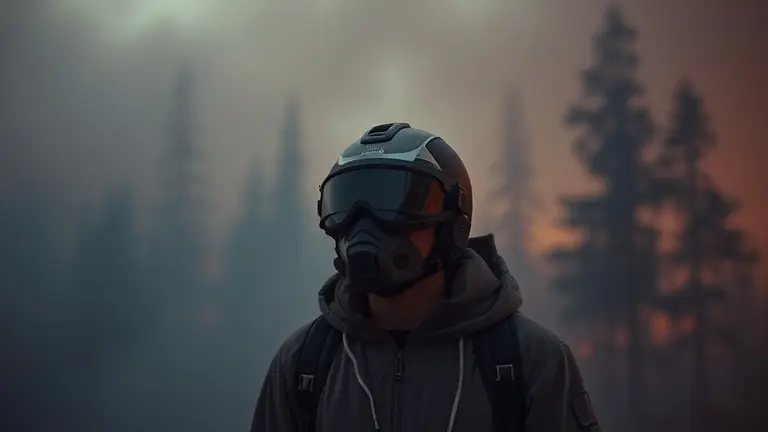
As of mid-July 2026, the thick, acrid haze from the Canadian wildfires and northern Minnesota forest fires has transformed the skies across the U.S. Midwest and East Coast into a hazardous, orange-tinted warning. With air quality alerts spiking in states like Michigan and Wisconsin, millions are glued to the latest wildfire smoke map, checking the air quality index with a growing sense of urgency. While staying indoors and monitoring the Canada wildfires 2026 news is essential, the sheer persistence of these particulate pollutants demands a more proactive, hyper-local approach to home safety and personal health.
You are not alone in wondering how to protect your family from the microscopic hazards now infiltrating our neighborhoods. Navigating the confusion between N95 protection and basic home filtration can feel overwhelming when the health of your children or vulnerable loved ones is on the line. This guide moves beyond the standard alerts to provide you with actionable, immediate steps—from DIY air purification hacks to the essential internal support your body requires to combat the inflammatory stress caused by this seasonal environmental crisis.
Understanding the July 2026 Smoke Event: Why Air Quality is Declining
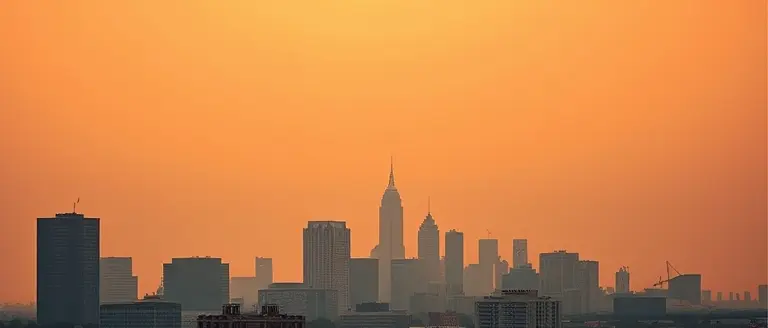
As of July 15, 2026, millions of residents across the U.S. Midwest and East Coast are facing a severe environmental challenge. A complex meteorological interaction is currently driving wildfire smoke from 32 confirmed active blazes in western Ontario and northern Minnesota into densely populated regions. This influx of particulate matter has caused the air quality index (AQI) to plummet, triggering widespread health alerts in states like Michigan and Wisconsin. Meteorologists report that a high-pressure system is funneling this thick haze directly over the Great Lakes, effectively trapping pollutants near the surface and compromising visibility across major metropolitan areas.
How the Current Smoke Pattern Impacts Your Region
The sudden degradation in air quality is not merely a localized nuisance but a regional crisis fueled by the Canadian wildfires 2026 season. As these fires persist, the resulting smoke plumes contain high concentrations of PM2.5—tiny particles that bypass the body’s natural defenses and penetrate deep into the lungs. If you are monitoring a wildfire smoke map, you will notice the distinct movement of this dense haze tracking eastward. The situation remains fluid as wind shifts continue to push smoke toward the Northeast, leading to the following conditions:
- Hazardous AQI Levels: Readings in several counties have reached the “Unhealthy” or “Very Unhealthy” categories, necessitating immediate caution for sensitive groups.
- Reduced Visibility: The pervasive haze is the result of light scattering by microscopic smoke particles, which is why horizons appear blurred or orange-tinted during peak hours.
- Escalated Alerts: Localized state agencies have issued warnings regarding the Canada wildfires 2026 impact, urging residents to limit strenuous outdoor activities until the particulate matter settles or shifts.
Residents are encouraged to utilize a real-time wildfire smoke tracker to observe how shifting wind currents may alter local exposure levels over the next 48 to 72 hours. While the smoke intensity fluctuates, the reliance on accurate AQI data remains the most vital step in managing health risks during this active environmental event.
How to Interpret Your Local Air Quality Index (AQI)

Understanding your Air Quality Index (AQI) is the most effective way to navigate the current environmental challenges posed by the Canadian wildfires 2026. Official data from AirNow.gov categorizes air pollution into six color-coded levels, ranging from “Good” (Green) to “Hazardous” (Maroon). As smoke from the wildfires blankets the Midwest and East Coast, these levels fluctuate rapidly. Monitoring a wildfire smoke map in real-time allows residents to make informed decisions regarding outdoor exposure, especially when local authorities issue air quality alerts.
Quick-Reference AQI Safety Guide
The AQI serves as a health yardstick. When the index enters the “Orange” or “Red” zones, the concentration of fine particulate matter (PM2.5) becomes a significant health risk. Use these guidelines to adjust your daily schedule:
- Good (0–50, Green): Air quality is satisfactory; air pollution poses little or no risk.
- Moderate (51–100, Yellow): Acceptable for most, but unusually sensitive individuals should consider reducing prolonged outdoor exertion.
- Unhealthy for Sensitive Groups (101–150, Orange): Members of vulnerable populations—including children, the elderly, and those with asthma or heart disease—should limit outdoor activities.
- Unhealthy (151–200, Red): Everyone may begin to experience health effects; sensitive groups may experience more serious effects. Avoid outdoor exercise.
- Very Unhealthy (201–300, Purple): Health alert; everyone should avoid all outdoor physical activity.
- Hazardous (301+, Maroon): Emergency conditions. Everyone is likely to be affected; stay indoors with windows and doors sealed.
During the current Canada wildfires 2026 event, keep track of your local reading consistently. If you are in a high-alert region, remember that air quality can shift within hours. Always prioritize indoor filtration and limit time outdoors when levels exceed 100, regardless of your personal health status.
Actionable Steps: Managing Indoor Air Quality During Smoke Events

As wildfire smoke from the Canada wildfires 2026 creates hazardous conditions across the Midwest and East Coast, maintaining clean indoor air is critical. When the air quality index reaches unhealthy levels, your home should serve as a primary refuge. To minimize exposure to fine particulate matter (PM2.5), focus on sealing your environment. Close all windows and doors firmly, and use damp towels to block gaps at the base of exterior doors. If you have a central HVAC system, ensure the intake is set to “recirculate” mode rather than pulling in outside air, and confirm that you are using a high-efficiency filter (MERV 13 or higher).
Reducing Indoor Pollutants and Filtration
Beyond sealing, you must eliminate internal sources that exacerbate poor indoor conditions. Avoid activities that introduce additional pollutants, such as burning candles, using incense, frying foods, or vacuuming with a non-HEPA unit, as these can stir up trapped particles. If you do not own a professional-grade air purifier, you can construct a Corsi-Rosenthal box—a highly effective, evidence-based DIY solution. By taping four MERV 13 filters to a box fan, you create a powerful filtration system capable of cleaning a room’s air multiple times per hour.
Best Practices for Protection:
- Strategic Placement: Position air purifiers in bedrooms or main living areas where your family spends the most time.
- Monitor Local Data: Regularly check a wildfire smoke map to understand when conditions outside are worst, avoiding opening windows even during “cooler” evening hours.
- Filter Maintenance: If your air quality remains poor for several days, check your HVAC and purifier filters; smoke saturation can reduce their efficacy quickly.
- Vulnerable Demographics: For asthmatics or households with young children, prioritize keeping the air moving through a HEPA-rated purifier to keep the air quality levels consistently in the “good” range, even if the outdoor index shows extreme degradation.
State-by-State Safety Measures and Resource Guide

As Canadian wildfires 2026 smoke continues to blanket the Midwest, residents must transition from monitoring a wildfire smoke map to implementing rigorous safety protocols. The current air quality crisis, driven by fire activity in western Ontario and northern Minnesota, has pushed the air quality index (AQI) into “unhealthy” and “hazardous” categories across Michigan and Wisconsin. Because conditions shift rapidly, state-specific preparedness is essential for protecting vulnerable populations, including children and those with pre-existing respiratory conditions.
Regional Emergency Protocols and Resources
When AQI levels exceed 150, local authorities strongly advise remaining indoors with windows and doors tightly sealed. If you must venture outside, evidence suggests that a properly fitted N95 respirator provides superior protection against fine particulate matter (PM2.5) compared to standard surgical or cloth masks. Below are current actionable guidelines for the most impacted states:
- Michigan (MI): Check the “MiAir” portal for real-time sensor data. Several municipalities have opened “clean air shelters” in public libraries and community centers. If outdoor activities are necessary, schools are advised to move all athletic programs indoors with high-efficiency air filtration systems engaged.
- Wisconsin (WI): Monitor the Department of Natural Resources (DNR) air quality alerts. Residents are encouraged to use the “AirNow” tracker to identify localized smoke pockets. During peak haze, avoid high-exertion activities and utilize HEPA-filtered portable air purifiers in your primary living space.
- Surrounding Regions: In areas where haze is visible, keep HVAC systems set to “recirculate” to prevent pulling external wildfire smoke into your home. Regularly check your local municipal website for sudden school closure announcements or public event cancellations.
For long-term preparedness during the canada wildfires 2026 season, ensure your home filtration systems are equipped with MERV-13 rated filters or higher. If you lack a commercial purifier, utilizing a DIY “Corsi-Rosenthal box” can effectively reduce indoor smoke levels. Always defer to local emergency management departments for the most current data regarding your specific zip code.
Build Your Internal Defense Against Wildfire Smoke
Managing the current environmental crisis requires a two-pronged strategy: keeping hazardous smoke particles out of your home while simultaneously fortifying your body’s natural ability to withstand the inevitable exposure that comes with daily life. While you are busy sealing your windows and monitoring AQI maps, it is just as important to bolster your body’s internal defenses against the persistent respiratory irritation caused by wildfire smoke.
This is where ProDentim serves as your essential internal support layer. By actively supporting the upper respiratory tract and sinuses, ProDentim functions as a preventative shield for your microbiome, which is often compromised when inhaling fine particulate matter and environmental haze. It is the perfect complement to your masks and air purifiers, providing the active reinforcement your body needs to maintain physical resilience during these periods of high inflammatory stress.
Don’t wait for the next red-alert warning to take your respiratory health seriously. By focusing on both your external environment and your internal well-being, you can better navigate these challenging wildfire seasons with confidence and health. Ensure your body is equipped to handle the environmental pollutants that are currently impacting our air quality across the nation.
 Support your respiratory resilience today—click here to see how ProDentim helps defend your sinus and throat health during peak smoke alerts.Yes, I Want to Protect My Respiratory Health Now!