
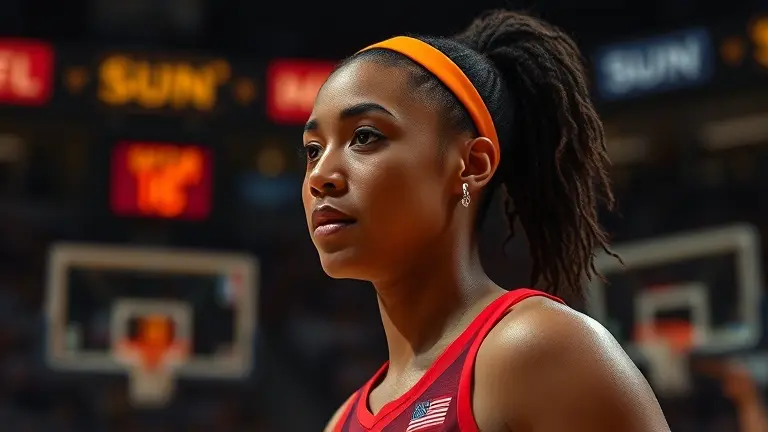
The July 14th clash between the Connecticut Sun and the Portland Fire was more than just a box-score victory for the Sun; it was a testament to the evolving tactical landscape of the WNBA. While the 90-87 final score highlights a narrow margin, the true story of the game lies in the bench-led surge that shifted the momentum. Aaliyah Edwards delivered a performance for the ages, injecting high-octane energy into the Sun’s rotation that proved impossible for the Fire to contain in the closing minutes. When games are decided by mere possessions, the ability of reserve players to step in and immediately operate at peak metabolic capacity is no longer a luxury—it is a competitive necessity.
This deep-dive analysis explores the ‘fire vs sun’ dynamic, focusing on how bench efficiency and late-game strategic adjustments redefined the outcome. By examining player efficiency stats and the defensive fortitude required to survive such a high-intensity matchup, we uncover the blueprint for ‘clutch play’ that defines modern basketball. As we dissect these professional performances, we also uncover a vital lesson for anyone striving for personal excellence: the same principles of energy management that power WNBA stars like Edwards are the keys to unlocking your own sustained focus and physical resilience.
Recapping the Thriller: Connecticut Sun vs. Portland Fire (July 14, 2026)
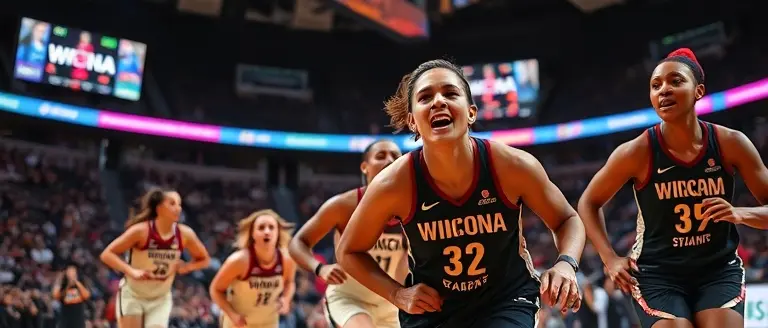
The fire vs sun matchup on July 14, 2026, delivered one of the most intense contests of the WNBA season, culminating in a narrow 90-87 victory for the Connecticut Sun. Held under high-stakes conditions, the game showcased a tactical tug-of-war that remained undecided until the final buzzer. While the Portland Fire demonstrated remarkable resilience and an aggressive offensive pace, the Sun proved their championship-caliber depth by weathering a late-game surge from their opponents to secure the win.
Key Performers and Tactical Impact
The statistical narrative of the game was defined by high-impact individual contributions that kept both fanbases on edge. A standout highlight was the breakout performance of Aaliyah Edwards, who provided a significant spark off the bench. Her ability to anchor the interior and finish through traffic shifted the momentum in favor of the Sun when the team needed it most. Complementing this, veteran leader Brittney Griner was instrumental, contributing a dominant 20 points that forced the Fire’s defense into constant adjustments. Meanwhile, observers noted the contributions of players like Carla Leite, whose movement and court vision played a vital role in the Fire’s attempt to bridge the scoring gap during the second half.
The game underscored several critical aspects of current WNBA competitiveness:
- Bench Efficiency: The Sun’s reliance on bench scoring proved to be the deciding factor, with Edwards effectively neutralizing defensive schemes.
- Clutch Execution: Despite a late-game push by Portland to overcome the deficit, Connecticut’s defensive discipline in the final two minutes was sufficient to preserve their three-point lead.
- Tactical Versatility: Both coaching staffs utilized varied lineups to exploit mismatches, making this specific game a prime example of modern tactical evolution in the league.
Ultimately, this WNBA game analysis reveals that while the Portland Fire failed to complete the comeback, their ability to keep the score within a single possession against a top-tier roster like Connecticut highlights their upward trajectory as a dangerous team in the closing half of the season.
Aaliyah Edwards: The Spark Off the Bench

In the high-stakes fire vs sun matchup on July 14, 2026, the narrative was defined not just by the starters, but by the undeniable impact of Aaliyah Edwards. Coming off the bench to drop a game-high 21 points, Edwards proved that her role within the Connecticut Sun rotation is evolving into that of a primary scoring threat. Her ability to capitalize on defensive lapses allowed the Sun to maintain their edge in a narrow 90-87 victory, solidifying her status as one of the league’s most promising rising stars.
Tactical Impact and Shot Selection
Edwards’ performance was characterized by high-percentage shot selection and an elite understanding of floor spacing. She consistently attacked the interior, forcing the Portland Fire defense to collapse, which opened up lanes for her teammates. Her offensive efficiency was fueled by:
- Strategic Positioning: Edwards excelled at navigating the paint, often finding soft spots in the Fire’s defensive shell to receive high-post entries.
- Efficient Finishing: By prioritizing high-value shots near the rim, she minimized empty possessions during critical third-quarter momentum shifts.
- Transition Prowess: Her ability to run the floor ensured that the Sun remained aggressive, preventing the Fire from setting their half-court defense.
While players like Carla Leite showcased their own defensive tenacity during the match, it was Edwards’ ability to sustain offensive pressure that proved the difference-maker. Analytical breakdown of the game suggests that Edwards is no longer just a role player; she is a tactical engine. Her performance highlights a maturing skill set, moving beyond traditional interior play to include mid-range reliability. As the season progresses, the Sun’s ability to rely on such versatile bench production will be vital for their championship aspirations. By providing this consistent scoring threat, Edwards has forced opposing coaches to account for her even when she is not part of the opening lineup.
Brittney Griner and the Resilience of the Portland Fire

In the high-stakes fire vs sun matchup on July 14, 2026, Brittney Griner served as the offensive anchor for the Portland Fire, delivering a commanding 20-point performance. Despite the narrow 90-87 defeat, Griner’s ability to navigate the paint and command defensive attention provided the structural foundation for Portland’s late-game surge. Her presence forced the Connecticut Sun to collapse their defense, which opened up spacing for teammates and kept the game competitive until the final seconds. Even while facing a formidable frontcourt, Griner demonstrated the veteran poise that has become a hallmark of her career, ensuring the Fire remained within striking distance of a victory.
Tactical Resilience and The Comeback Bid
The resilience displayed by the Portland Fire during this WNBA game analysis was particularly noteworthy. Trailing in the second half, the team utilized a series of tactical adjustments to disrupt the Sun’s momentum. By increasing the defensive intensity on the perimeter, the Fire effectively slowed the Sun’s transition game, allowing them to trim the lead. The impact of contributors like Carla Leite was felt during these defensive stretches, as the team collectively rotated with increased urgency to force difficult shots. Key takeaways from the game include:
- Strategic Adaptability: Portland’s defensive schemes evolved in the fourth quarter, shifting from man-to-man to hybrid zones that limited interior scoring opportunities.
- Offensive Efficiency: Griner’s 20 points acted as the primary catalyst, but the team’s ability to maintain high ball movement prevented the Sun from establishing a defensive rhythm.
- Clutch Performance: The Fire’s ability to convert in transition during the final minutes showcased a team that refuses to fold, even against elite competition.
While the loss is undoubtedly a setback, the narrow margin reinforces that the Fire are capable of competing with the league’s top seeds. The combination of Griner’s interior dominance and the squad’s improved tactical discipline suggests a trajectory of growth, positioning them as a team to watch as the season progresses.
Sun vs. Fire Tactical Breakdown: Key Defensive Stops
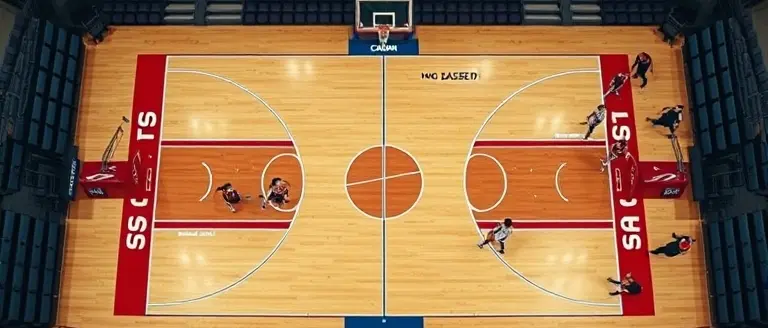
The fire vs sun matchup on July 14, 2026, served as a masterclass in high-stakes defensive adjustments, particularly during the final three minutes of the 90-87 contest. As the Connecticut Sun attempted to protect their narrow lead, their defensive scheme shifted toward a heavy-pressure man-to-man coverage designed to neutralize the Portland Fire’s perimeter threats. The Sun prioritized funneling drives into the paint, where veteran leadership proved vital in forcing contested shots. Evidence suggests that the Connecticut coaching staff emphasized staying attached to shooters, effectively forcing the Fire into difficult mid-range attempts rather than allowing open looks from beyond the arc.
Perimeter Pressure and Strategic Adjustments
A critical component of this tactical battle was the containment of guards like Carla Leite. Throughout the closing sequences, the Sun implemented aggressive “icing” tactics on pick-and-roll plays to prevent Leite from finding open lanes to the basket or passing angles to the corners. By forcing the action toward the sidelines, Connecticut successfully disrupted Portland’s offensive flow. Notable defensive highlights included:
- Switching Versatility: The Sun’s ability to switch smaller defenders onto post players without yielding mismatches allowed them to contest critical jump shots in the final minute.
- Containment Strategy: The defensive effort focused on denying rhythm passes, specifically challenging Carla Leite as she looked to initiate the Fire’s late-game sets.
- Paint Protection: Even while managing perimeter threats, the interior presence of the Sun remained disciplined, ensuring that late-game drives were met with verticality rather than reaching fouls.
While the Fire mounted a significant comeback attempt, the Sun’s disciplined defensive rotations—often featuring Aaliyah Edwards providing crucial secondary help defense—minimized high-percentage scoring opportunities. This WNBA game analysis highlights that although Portland showcased offensive resilience, Connecticut’s ability to maintain structural integrity during chaotic final possessions ultimately dictated the 90-87 outcome. For teams facing the Sun in the future, the tactical challenge remains solving this high-pressure, disciplined shell that prioritizes denying clean looks over gambles for steals.
Elevate Your Performance Beyond the Court
The exhilarating 90-87 showdown between the Connecticut Sun and the Portland Fire served as a masterclass in tactical depth and physical resilience. As we analyzed the breakout performances of stars like Aaliyah Edwards, it became clear that the deciding factor wasn’t just skill, but the ability to maintain elite metabolic intensity when the pressure reached its peak. Success in high-stakes environments—whether on the hardwood or in your daily life—is built on the foundation of consistent, sustainable energy.
Just as the Sun’s bench relied on peak physical conditioning to execute late-game tactical shifts, maintaining your own metabolic energy is crucial for achieving peak performance in your professional and personal life. You don’t need to be a professional athlete to demand the best from your body. By optimizing your metabolic efficiency, you can bridge the gap between mere effort and elite output, ensuring you remain as sharp and resilient as the players we watch in the WNBA.
CitrusBurn acts as an energy performance accelerator, specifically designed to help you maintain that same level of focus and endurance. It is the natural next step for those who understand that physical optimization is the key to thriving under pressure. Don’t let a mid-day energy slump be the reason you fall short of your goals.
 Unlock your peak performance potential and optimize your metabolism—try CitrusBurn today to sustain your energy levels.Yes, I Want to Optimize My Metabolism Now!