

The 2026 MLB Draft has officially ignited the Philadelphia sports scene, turning the All-Star Weekend into a crucible of future Major League talent. With the Chicago White Sox making headlines by selecting UCLA’s standout shortstop Roch Cholowsky with the No. 1 overall pick, the baseball world is buzzing—not just about his elite scouting profile, but even the social media firestorm following Commissioner Rob Manfred’s memorable mispronunciation of the prospect’s name. As the intensity shifts from the marquee headlines to the grind of Day 2, the need for precision has never been greater.
For the dedicated fan, the draft isn’t just an event; it’s a marathon of data. From navigating the MLB Draft tracker to dissecting scouting reports for rounds 2 through 5, the sheer volume of information can be overwhelming. Whether you are hunting for sleeper picks or tracking your team’s tactical maneuvers, staying ahead of the curve requires peak mental clarity. As we dive into the latest scouting insights and draft updates, let’s explore how you can maintain your focus during this high-stakes, data-heavy event.
2026 MLB Draft Highlights: Roch Cholowsky’s Historic No. 1 Selection
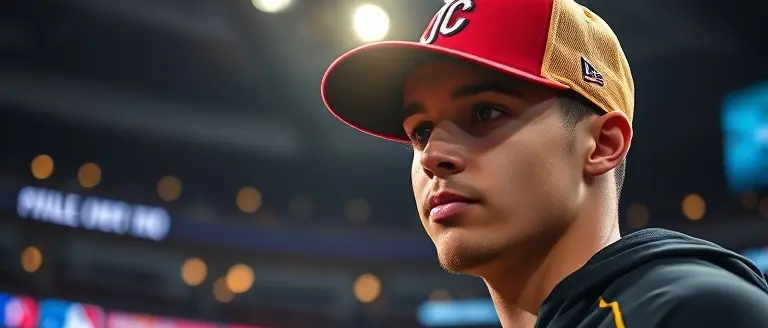
The 2026 MLB Draft officially kicked off in Philadelphia during a bustling All-Star Weekend, marking a pivotal moment for franchises looking to restock their farm systems. The highlight of the opening round occurred when the Chicago White Sox utilized the No. 1 overall pick to select UCLA shortstop Roch Cholowsky. As a consensus top prospect, Cholowsky has long been touted for his elite defensive range and high-contact offensive profile. His selection signals a new era for the White Sox, who are betting heavily on his athleticism to anchor their infield for years to come.
Addressing the Pronunciation Controversy
Following the announcement, a viral moment unfolded when MLB Commissioner Rob Manfred inadvertently mispronounced the draftee’s name. This sparked an immediate surge in search traffic as fans turned to the mlb draft tracker and social media to verify the correct phonetic spelling. To clarify, the name is pronounced “Cho-LOW-skee.” The confusion, while momentary, highlighted the massive global interest surrounding the top pick and the instant scrutiny that accompanies high-profile prospects in the modern scouting era.
Roch Cholowsky: Scouting Profile and Future Outlook
Beyond the buzz, Cholowsky represents one of the most refined talents to enter the league in recent years. Scouts have lauded his maturity at the plate and his ability to handle premium velocity. As the 2026 MLB Draft shifts focus toward mlb draft day 2, teams are now looking to emulate the White Sox’s clear-cut strategy. Key insights regarding his development include:
- Positional Versatility: While a primary shortstop, his arm strength allows for a potential transition to second base or third base if required.
- Elite Plate Discipline: Cholowsky maintained an impressive walk-to-strikeout ratio during his tenure at UCLA.
- Projected Impact: He is considered a “fast-track” prospect, with many analysts suggesting he could compete for a major league roster spot as early as late 2027 or early 2028.
As the draft continues, tracking the movement of secondary round picks will be essential for fans monitoring how organizations build depth beyond their top-tier acquisitions.
Roch Cholowsky Scouting Report: Why the White Sox Went All-In

The selection of Roch Cholowsky as the No. 1 overall pick in the 2026 MLB Draft signals a definitive shift in the Chicago White Sox’s organizational philosophy. Scouts have long lauded the UCLA shortstop for his rare combination of elite defensive range and high-contact offensive profile. While the public discourse momentarily focused on the pronunciation of his last name following the Commissioner’s gaffe on MLB Draft day, the real story lies in the sophisticated metrics supporting Cholowsky’s ceiling as a franchise cornerstone. His ability to cover the six-hole with professional-grade instincts, coupled with his quick-twitch mechanics at the plate, made him the consensus top talent entering the draft.
Key Scouting Attributes
- Defensive Versatility: Possesses a plus-arm and reliable hands that suggest he will stick at shortstop long-term, providing the White Sox with a premium anchor up the middle.
- Hit Tool: Demonstrates exceptional barrel control, a trait that allowed him to thrive against elite collegiate competition. His swing path is optimized for consistent line drives to all fields.
- Prototypical Build: At 6’2″, he maintains a lean, projectable frame that front offices believe will add necessary mass as he progresses through the minor leagues.
The White Sox front office prioritized Cholowsky due to his high baseball IQ and makeup, factors that are essential for their current rebuilding trajectory. Unlike prospects who rely solely on raw power, Cholowsky exhibits a disciplined approach at the plate, prioritizing high on-base percentages—a strategy that aligns with modern analytical models of success. By securing such a polished infielder, the organization has solidified its defensive future and added a high-floor offensive weapon to its prospect pipeline. As the mlb draft continues into Day 2, the selection of Cholowsky remains the anchor of their 2026 haul, providing the team with a clear identity moving forward.
Day 2 MLB Draft Tracker: Rounds 2-5 Analysis

As the 2026 MLB Draft transitions into its middle stages, the focus shifts from the high-profile selection of Roch Cholowsky to the tactical depth of rounds 2 through 5. While the opening night captured headlines with star power, MLB Draft Day 2 is where front offices define their long-term organizational success. Scouts and analysts are currently monitoring the board for “sleeper picks”—college standouts and high-upside high school talents who slipped past initial projections. This phase of the mlb draft tracker is essential for fans looking to identify which franchises are effectively replenishing their farm systems with cost-effective, high-ceiling depth.
Strategic Trends and Sleeper Picks
Early reports from the 2026 MLB Draft indicate a heavy emphasis on pitching versatility and middle-infield depth. Evidence suggests that teams are prioritizing players with advanced analytical profiles, favoring those who demonstrate high spin rates or elite contact metrics. As Day 2 progresses, keep an eye on these evolving organizational strategies:
- Pitching Depth: Several clubs are opting for “pitchability” over raw velocity, targeting collegiate arms that provide immediate impact potential for Double-A rosters.
- The “Undervalued” Asset: Scouts are noting a trend of drafting high-schoolers with strong college commitments, a risky strategy often reserved for rounds 3-5 to secure top-tier talent that requires significant signing bonuses.
- Positional Versatility: Teams are increasingly searching for “super-utility” players, mirroring the defensive flexibility currently valued at the Major League level.
For those following the live action, the Day 2 MLB Draft tracker is the primary tool to cross-reference scouting reports against draft slot values. As rounds 2-5 conclude, the draft landscape will shift toward the final day, where developmental projects and “bonus pool” management become the defining narrative for success. Monitoring these mid-round picks is vital, as history shows that many future All-Stars are frequently unearthed in these critical middle-round selections.
Winners and Losers: Assessing 2026 Draft Strategy

As the 2026 MLB Draft moves past the initial excitement of the first-round selections, the focus shifts toward the long-term organizational impact of these scouting decisions. Evaluating the draft requires looking beyond the immediate headlines to see which franchises effectively maximized their bonus pools and prioritized future prospect depth. While the Chicago White Sox garnered significant attention for their selection of Roch Cholowsky—despite the viral confusion surrounding the pronunciation of his name—the true success of this year’s event will be measured by how well teams balanced high-ceiling prep talent against safer, college-ready profiles.
Strategic Winners in the Bonus Pool Era
The current draft landscape favors teams that demonstrate flexibility in their spending. Several franchises managed their draft capital masterfully during the transition into MLB draft day 2, securing under-slot deals in the early rounds to save resources for high-upside players later. Key indicators of a winning strategy include:
- Strategic Leverage: Organizations that forced tough signability decisions to lock in elite talent in rounds three through five.
- Pipeline Depth: Teams that pivoted from early positional needs to stock up on high-velocity pitching depth, a recurring trend in the 2026 class.
- Risk Management: Organizations that resisted the urge to “reach” for high-schoolers, opting instead for polished college performers who align with their current competitive window.
Calculated Gambles and Future Outlook
Conversely, some teams opted for high-risk, high-reward gambles that could define their 2026 MLB Draft legacy. By betting on raw, projectable tools rather than refined skill sets, these organizations are clearly prioritizing long-term development over immediate minor league impact. As the mlb draft tracker updates continue to populate, the disparity between “safe” draft rooms and aggressive scouting departments is becoming increasingly clear. The ultimate success of these picks remains theoretical, but the evidence suggests that teams willing to exploit market inefficiencies in the mid-to-late rounds will gain the most significant edge in the coming years.
Mastering the Draft Marathon
The 2026 MLB Draft is moving at a breakneck pace, and for the die-hard fan, the jump from analyzing top-tier picks like Roch Cholowsky to tracking the nuanced developments of Day 2 can be an exhausting endeavor. Between scrutinizing scouting reports, decoding prospect data, and staying on top of real-time trade rumors, your brain is under constant pressure to process an immense amount of complex information in a high-stakes environment.
Keeping up with every pick and scouting nuance during the draft can be mentally taxing. This is precisely why we recommend The Brain Song to maintain your competitive edge. Designed to combat the “brain fog” that sets in after hours of monitoring live data, this cognitive performance tool helps you stay sharp, alert, and laser-focused, ensuring you never miss a scouting detail or a key strategic move by your favorite franchise. It is the ultimate companion for those who want to transform their draft-watching experience from mere data consumption into a masterclass of informed, high-speed analysis.
Don’t let mental fatigue cloud your judgment when the next future star is on the board. Optimize your draft-watching focus with The Brain Song and never miss a scouting detail.
 Optimize your draft-watching focus with The Brain Song and never miss a scouting detail.Sharpen My Focus Now!