
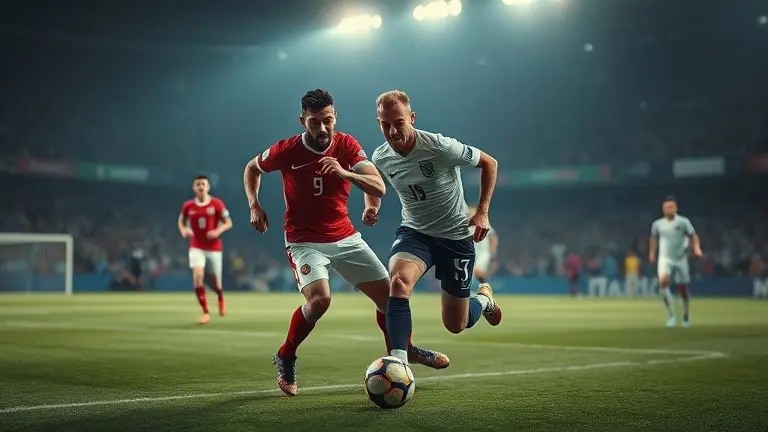
The July 11 quarter-final clash between England and Norway at the 2026 FIFA World Cup will be remembered as a masterclass in resilience and high-stakes tactical chess. While Norway’s early lead sent shockwaves through the stadium—pushed by the clinical finish from Andreas Schjelderup—the match quickly transformed into a definitive test of character. England’s response was not merely physical; it was a demonstration of elite-level composure, with Jude Bellingham orchestrating a decisive brace that dismantled the Norwegian defensive structure.
Yet, the narrative extends far beyond the pitch. As the world dissects England’s tactical evolution under Thomas Tuchel, the spotlight has simultaneously intensified on the personal controversy surrounding Schjelderup. Balancing the tactical brilliance of the 2026 tournament with the complex, often challenging, human narratives of its participants requires a level of mental clarity that few possess. To truly understand how elite athletes manage this immense pressure—or how we, as analysts and fans, can process such dense and volatile information—we must look at the neuroscience of performance.
England vs. Norway: FIFA World Cup 2026 Quarter-Final Overview

The FIFA World Cup 2026 quarter-final clash on July 11, 2026, between England and the selección de fútbol de Noruega will be remembered as a defining moment in Thomas Tuchel’s tenure as England manager. Played under immense pressure in the knockout stages, the fixture provided a gripping narrative of resilience and tactical evolution. While the Inglaterra vs Norway matchup was expected to be a rigid defensive battle, it quickly transformed into an end-to-end tactical confrontation that challenged both sides’ resolve. England’s hard-fought victory was not merely a matter of talent, but a testament to the squad’s mental fortitude when facing a deficit against a disciplined Norwegian setup.
Early in the match, the Noruega side signaled their intent to disrupt English momentum, successfully stifling the midfield rhythm during the opening minutes. The match narrative took a sharp turn when Andreas Schjelderup found the back of the net to give Norway the early lead, sending shockwaves through the stadium and forcing the Three Lions to reassess their approach. However, England’s response was clinical. The tactical shift orchestrated by Tuchel allowed for more direct transition play, effectively bypassing the congested central zones that Norway had prioritized.
Key highlights of the match included:
- The Bellingham Factor: A masterful Bellingham brace proved to be the decisive difference-maker, showcasing his ability to lead during high-stakes tournament pressure.
- Tactical Resurgence: England successfully neutralized Norwegian counter-attacks in the second half, demonstrating improved defensive transitions under Tuchel’s guidance.
- The Final Scoreline: The comeback victory secured England’s place in the World Cup semi-finals, cementing their status as top-tier title contenders.
This victory marked a pivotal chapter for English football, as they overcame the structural hurdles posed by a motivated Norwegian team. The intensity of the Inglaterra noruega encounter serves as a microcosm of the 2026 tournament’s high quality, where single moments of individual brilliance—specifically Bellingham’s second-half goals—determined the trajectory of the entire competition. As the tournament progressed, this quarter-final win remained a primary focal point for tactical analysis and tournament reviews.
Bellingham’s Heroics: Tactical Breakdown of England’s Comeback

The England vs Norway quarter-final clash on July 11, 2026, served as a masterclass in tactical resilience under manager Thomas Tuchel. After conceding an early goal to Andreas Schjelderup, the Three Lions initially struggled to penetrate a compact Norwegian defensive block. Norway utilized a low-block strategy, forcing England to circulate the ball horizontally without creating high-quality chances. However, Tuchel’s mid-match adjustments shifted the momentum, specifically by instructing Jude Bellingham to operate in the “half-spaces” between Norway’s midfield and defensive lines. This tactical tweak disrupted the disciplined selection de fútbol de Noruega, creating the pockets of space that ultimately dismantled their resolve.
The Decisive Impact of Jude Bellingham
Jude Bellingham’s performance was the pivot point for the Inglaterra comeback. His brace did not merely result from individual brilliance, but from a deliberate shift in positional awareness:
- Dynamic Positioning: By drifting from a traditional central midfield role into a shadow-striker position, Bellingham dragged markers out of alignment, creating passing lanes for his teammates.
- Clinical Finishing: His first goal, a precise strike from the edge of the box, was a direct consequence of finding a gap in the center of the pitch that Norway failed to rotate into.
- Transition Control: Bellingham’s work rate allowed England to sustain high-pressing cycles immediately after losing possession, neutralizing the counter-attacking threat posed by the Norwegian side.
By the second half, the technical superiority of the English squad became evident. The Inglaterra noruega match highlights show a clear shift toward vertical passing, which bypassed the initial pressure points. Bellingham’s second goal underscored his elite game intelligence, timing his run perfectly to capitalize on a deflected cross. This victory not only secured a semi-final berth but also solidified Bellingham’s status as the heartbeat of this Tuchel-led squad, demonstrating how tactical flexibility can override even the most stubborn defensive setups in a high-stakes World Cup environment.
The Andreas Schjelderup Controversy: Facts and Context

While the noruega vs inglaterra quarter-final clash was defined on the pitch by high-stakes tactical maneuvers, the match has been overshadowed by an intense off-field narrative concerning Andreas Schjelderup. The Norwegian forward, who momentarily stunned the English defense by scoring the opening goal of the game, has recently become the subject of significant public discourse. This scrutiny stems from documented reports regarding a past legal conviction in Norway involving the distribution of illegal media files, which allegedly featured minors. The revelation, which resurfaced during the tournament, has sparked a polarized debate regarding player eligibility, professional ethics, and the moral responsibilities of national team representatives.
Understanding the Legal Context
The controversy, highlighted by international outlets including CNN Brasil and O Globo, centers on established facts rather than mere speculation. To provide clarity on the situation, the following points summarize the reported developments:
- Legal Standing: Reports confirm that Schjelderup was subject to legal proceedings in Norway prior to his breakthrough at the international level.
- Nature of the Conviction: The charges were specifically related to the sharing of prohibited digital content, a matter taken with extreme seriousness by Nordic legal authorities.
- Public Impact: The timing of these reports, coinciding with the high-profile selección de fútbol de noruega appearance in the 2026 FIFA World Cup, has intensified the focus on his personal history.
The discourse surrounding inglaterra noruega has shifted from pure athletics to an inquiry into how professional football organizations handle such sensitive historical disclosures. While the Norwegian federation has maintained a position aligned with rehabilitative principles, critics argue that the stature of representing a nation on the world stage demands a higher threshold of transparency and personal history review. The situation remains a complex intersection of sporting success and societal accountability, leaving fans and stakeholders to weigh the separation of on-field talent against the weight of a player’s past legal actions.
Looking Ahead: England’s Path to the Semi-Finals

The victory for the England national team in this high-stakes FIFA World Cup 2026 quarter-final marks a pivotal shift in their campaign momentum. Under the tactical guidance of Thomas Tuchel, the Three Lions demonstrated significant resilience, overcoming an early deficit against the selección de fútbol de noruega to secure their semi-final berth. The match served as a profound test of England’s defensive organization and offensive flexibility. By successfully neutralizing the Norwegian threats and relying on a masterful Bellingham brace, the squad has signaled its readiness for the tournament’s final stages. This win does more than just advance England in the bracket; it cements a winning culture that will be essential as they prepare for the pressure of the upcoming semi-final match.
Impact on Tournament Trajectory
For England, the path forward now hinges on sustaining the tactical intensity displayed against Norway. Key takeaways from the Inglaterra vs Norway clash include:
- Midfield Dominance: Jude Bellingham’s ability to transition from defensive recovery to offensive execution provided the necessary spark to dismantle a disciplined Norwegian defensive block.
- Tactical Adaptation: Tuchel’s mid-game adjustments allowed England to exploit pockets of space that were unavailable during the first half, proving the team’s maturity under high-pressure scenarios.
- Squad Depth: The ability to recover from a goal deficit suggests a psychological fortitude that will be vital in the semi-finals.
Conversely, the disappointment for the Norwegian side is immense. While the squad’s early goal showcased their talent, the subsequent inability to contain England’s secondary wave of attacks halted their historic run. Moving forward, the focus for Norway shifts toward the long-term development of their roster, though this is currently complicated by the surrounding off-field controversies involving Andreas Schjelderup. While the Inglaterra victory serves as a definitive statement of intent, the global conversation remains split between this sporting achievement and the investigative reports that have cast a shadow over the tournament’s quarter-final narratives.
Sharpen Your Focus for the Moments That Matter
Whether it is decoding a complex tactical shift on the football pitch or navigating the nuances of a developing news story, the ability to maintain cognitive sharpness is the ultimate differentiator. England’s comeback win against Norway wasn’t just about athletic prowess; it was the result of a squad functioning with unmatched mental clarity, capable of executing a strategy under the most intense scrutiny imaginable.
Just as Tuchel’s squad needed unparalleled mental focus to overcome their deficit, maintaining your own cognitive edge is vital for navigating the complex information landscape we face today. This is where The Brain Song becomes your essential performance tool. By utilizing science-based auditory stimulation, this program is designed to eliminate mental fog and improve your learning capacity, allowing you to digest, analyze, and retain high-level information with the precision of a professional scout.
Integrating this routine into your life serves as the bridge between passive consumption and high-level comprehension. You deserve to operate with the same decisiveness and clarity that we celebrate in the world’s elite athletes. Elevate your cognitive performance and reclaim your mental edge by starting your journey with us today.
 Optimize your own performance and sharpen your focus; start your 12-minute daily auditory routine today.Yes, I Want This Now!