
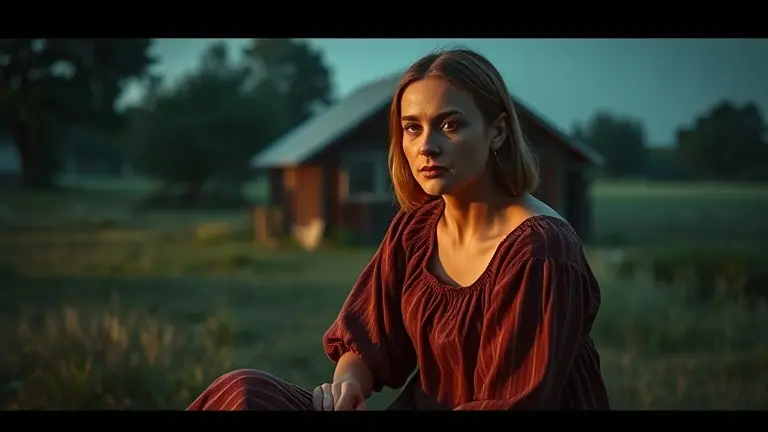
The July 2026 premiere of the Little House on the Prairie series on Netflix has sparked an immediate cultural phenomenon, blending deep-seated nostalgia with a modern, fast-paced streaming landscape. As viewers return to the rustic charm of Walnut Grove, the reboot has ignited intense discussions regarding the “trad wife” aesthetic, drawing thousands into a debate about the realities of 19th-century frontier life versus our contemporary longing for simplicity. With production already underway for Season 2 and surprise cameos—including the iconic Alison Arngrim—reminding us of the show’s rich history, the series is more than just a remake; it is a gateway to a lost, tactile world.
For many, this renewed interest in the Ingalls family is not just about the plotlines or the new neighbor dynamics; it is a profound attraction to the DIY ethos that defined the era. As we analyze the differences in production technology and the deeper lore of the 2026 reboot, it becomes clear that the show’s greatest appeal lies in the strength, utility, and enduring beauty of the pioneer home. If you have found yourself drawn to the craftsmanship featured in the series, you are already part of a growing movement looking to reconnect with the art of building and the satisfaction of a handmade life.
The Netflix Little House on the Prairie Reboot: A Cultural Phenomenon
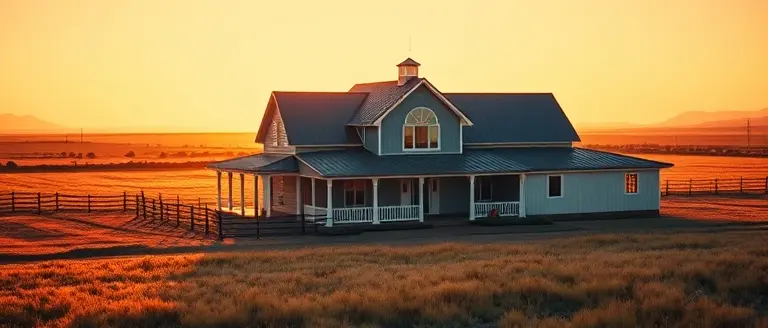
The July 9, 2026, premiere of the Netflix Little House on the Prairie series has ignited a firestorm of discussion across social media and entertainment outlets alike. By reimagining Laura Ingalls Wilder’s cherished literary legacy for a modern streaming audience, Netflix has successfully bridged the gap between nostalgic fans of the 1970s classic and a new generation of viewers. Early streaming metrics and critical reception suggest that this bold adaptation is far more than a simple period piece; it is a calculated cultural event designed to capture the zeitgeist through high-fidelity production values and a nuanced, contemporary narrative lens.
Why Netflix Is Betting Big on the Ingalls Family
The strategic decision to greenlight this project reflects a significant investment in long-term intellectual property. The platform’s confidence in the material was solidified when, in an unprecedented move, Netflix confirmed Season 2 production well ahead of the Season 1 debut. This commitment underscores the brand’s belief that the Little House on the Prairie 2026 reboot will serve as a foundational anchor for its library. Key factors driving this early success include:
- Elevated Production Quality: Utilizing advanced cinematography, the series translates the harsh realities of 19th-century frontier life with an aesthetic intensity that surpasses previous iterations.
- Cultural Relevance: Showrunners have intentionally leaned into current sociological discourse, specifically addressing the “trad wife” aesthetic and how it contrasts with the gritty, labor-intensive reality depicted in the books.
- Legacy Integration: The inclusion of original cast members, such as a surprise cameo by Alison Arngrim, has effectively tethered the new series to the beloved history of the franchise.
As audiences continue to debate whether the show provides a sanitized escape or a deeper historical exploration, one thing remains certain: the reboot has successfully revitalized interest in the Ingalls family saga, cementing its status as a cornerstone of modern streaming entertainment.
Nostalgia Meets Modernity: Alison Arngrim’s Surprise Cameo
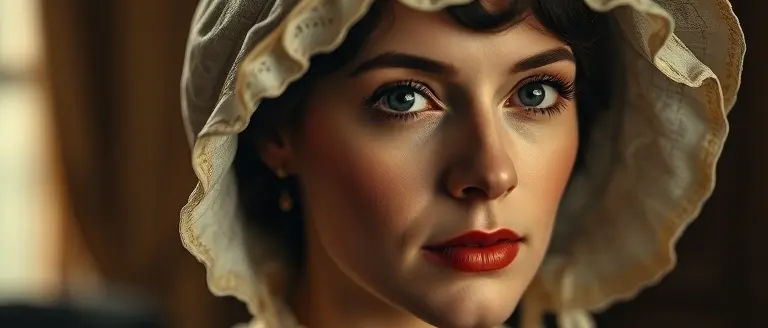
The July 9, 2026, premiere of the Netflix Little House on the Prairie series delivered a masterclass in audience engagement by integrating a surprise cameo from Alison Arngrim. Best known for her iconic portrayal of the spiteful Nellie Oleson in the 1970s original, Arngrim’s appearance serves as a narrative bridge between the beloved source material and the modern reboot. By positioning a face synonymous with the classic Ingalls family saga into this reimagining, the showrunners successfully validated the series for long-time fans while signaling that the 2026 production honors its roots even as it charts a new, more nuanced path.
Why the Cameo Resonated
Fan reception on social media has been overwhelmingly positive, with many viewers noting that the cameo acts as an essential “Easter egg” that anchors the new production. Her presence does more than just incite nostalgia; it creates a symbolic passing of the torch. For the production team, Arngrim’s involvement signals a respectful relationship with the original IP, which is vital as the Little House on the Prairie 2026 team attempts to navigate contemporary cultural discourse.
Key impacts of this casting decision include:
- Validation of Heritage: It reassures legacy viewers that the reboot respects the moral heart of the Laura Ingalls Wilder books.
- Bridge to Modernity: Arngrim’s character provides a link that allows the show to contrast 1970s television tropes with modern, gritty frontier realism.
- Marketing Synergy: The surprise reveal generated significant organic buzz across streaming news outlets, effectively driving viewership during the crucial launch week.
While critics continue to debate whether the show offers a “sugarcoated” escape or a necessary historical reflection, Arngrim’s inclusion provides a familiar touchpoint. It suggests that while the reboot aims to address complex themes—such as the widely discussed trad wife trend—it does so with a deep understanding of the source material’s enduring legacy. As production moves toward the confirmed second season, Arngrim’s involvement remains a cornerstone of the show’s identity.
From the Prairie to the ‘Trad Wife’ Discourse
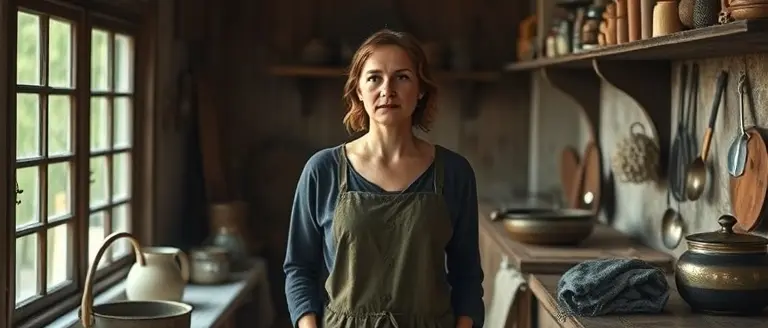
The arrival of the Netflix Little House on the Prairie series has ignited an unexpected cultural firestorm. Beyond the nostalgia of the Ingalls family legacy, the reboot has become a focal point for the modern “trad wife” discourse—a social media trend that romanticizes traditional domesticity and 19th-century gender roles. Critics and viewers alike are debating whether the aesthetic of the 2026 production serves as an intentional nod to these contemporary values or if it is merely a visual byproduct of historical fiction.
Domestic Labor vs. Romanticized Aesthetic
In media interviews leading up to the July 2026 premiere, showrunners explicitly addressed these comparisons, noting that the series aims to strike a balance between historical reality and modern sensibilities. While the “trad wife” movement often strips domestic labor of its grueling 1800s hardships, the new series attempts to ground the narrative in the harsh, often back-breaking reality of frontier life. Key elements distinguishing the reboot include:
- Nuanced Portrayal of Survival: The show frames domestic tasks not as an aesthetic choice, but as essential, high-stakes labor required for survival in the American West.
- Feminist Agency: By emphasizing the critical decision-making roles held by Caroline Ingalls and her neighbors, the reboot pushes back against the notion that “traditional” roles equate to a lack of power or intellectual agency.
- Historical Accuracy: Production teams utilized meticulous research to ensure that the struggle of the prairie is never sugarcoated, effectively countering the polished, curated image often projected by online influencers.
As the show continues toward little house on the prairie 2026 second-season production, the conflict between nostalgic projection and historical narrative will likely intensify. Whether the show successfully subverts these tropes or inadvertently fuels the discourse remains a central point of contention for audiences watching the series unfold on Netflix. By grounding the Ingalls family in the grit of their era, the reboot forces a necessary conversation about the actual historical weight behind modern gender role debates.
What to Expect in Season 2: Plot Points and Production Rumors
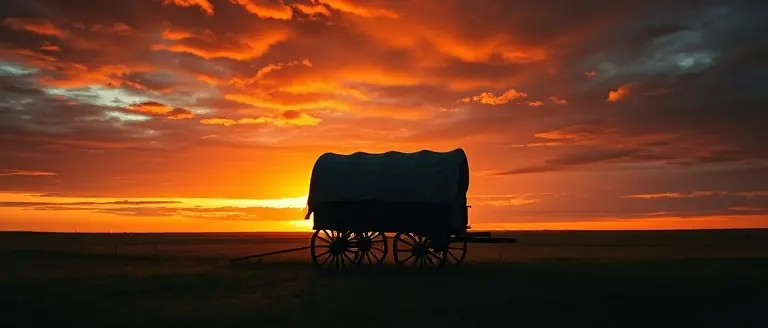
Following the immediate success of the Netflix Little House on the Prairie series, the announcement that Season 2 is already in active production has signaled a long-term commitment to this reimagining of the classic Laura Ingalls Wilder saga. While the first season focused on establishing the Ingalls family foundation and the harsh realities of frontier survival, early production rumors suggest that the upcoming chapters will pivot toward more complex community dynamics and the evolving socio-economic struggles of Walnut Grove. Fans can expect a deeper exploration of the source material’s later novels, potentially introducing more nuanced character arcs that address the show’s controversial ties to the ‘trad wife’ cultural discourse by contrasting romanticized aesthetic ideals with the grueling physical labor required for 19th-century survival.
Potential Storylines and Narrative Shifts
As showrunners look to maintain the momentum generated by the little house on the prairie 2026 debut, the narrative trajectory is expected to expand beyond the immediate household:
- Expanded Lore: Expect new neighbor characters who provide critical perspectives on land disputes and the environmental challenges that defined the post-Civil War era.
- Technological Evolution: Production teams are reportedly utilizing advanced filming techniques to heighten the immersion of the Great Plains environment, moving away from the “sugarcoated” look of the 1970s toward a grittier, hyper-realistic aesthetic.
- Character Maturation: Mary and Laura are slated for significant growth, with scripts rumored to focus on their burgeoning independence and the external pressures placed on women of that era.
- Legacy Cameos: Given the success of Alison Arngrim’s surprise appearance, speculation is mounting regarding other original cast members potentially returning in meaningful, non-traditional roles to bridge the nostalgia gap.
To ensure sustained interest, the creative team must balance these high-stakes dramatic shifts with the intimate, pastoral charm that defines the brand. By directly tackling the complexities of the frontier experience, the series is positioned to move past the initial reboot curiosity and establish itself as a sophisticated, must-watch period drama for a modern audience.
Crafting Your Own Frontier Legacy at Home
The 2026 Little House on the Prairie series has done more than just revive a classic story; it has reignited a nationwide fascination with the grit, beauty, and simplicity of the pioneer lifestyle. While the onscreen drama keeps us hooked, it is the tangible, handmade quality of the Ingalls family’s environment that truly resonates with today’s desire for a slower, more intentional way of life. You don’t need to move to the frontier to embrace this aesthetic; you only need the right guidance to bring that durable, rustic charm into your own living space.
If you have been inspired by the series’ focus on self-sufficiency and timeless craftsmanship, you now have the tools to turn that inspiration into reality. Ted’s Woodworking is the ultimate resource for those eager to master traditional techniques and build high-quality furniture that echoes the pioneer spirit. Whether you are a total beginner or a seasoned hobbyist, these professional plans bridge the gap between watching the homestead lifestyle and actually living it, allowing you to create a home filled with character and history.
It is time to stop watching from the sidelines and start building your own piece of the prairie. With 16,000 professional plans at your fingertips, you can craft a legacy of handmade furniture that will last for generations. Don’t just admire the aesthetic—embody it by transforming your home into a sanctuary of traditional craftsmanship today.
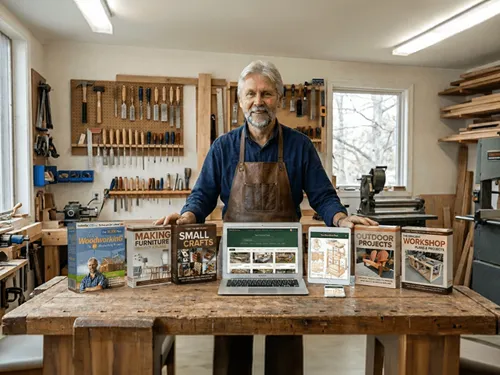 Ready to build your own piece of the prairie? Explore these 16,000 professional plans and start crafting your own handmade legacy today.Start My Woodworking Journey Now!