

In the high-stakes theater of Game 95, the showdown between the Cleveland Guardians and the Miami Marlins at loanDepot park was far more than a routine mid-summer interleague contest. With the Marlins locked in a desperate climb toward playoff contention and the Guardians fighting to stabilize their rotation amidst a taxing wave of mid-season injuries, the air was thick with strategic tension. This was a classic pitching duel—a vintage clash of grit and calculation that serves as a microcosm of the 2026 MLB season’s broader narrative.
As Sandy Alcantara and the Guardians’ rotation stalwarts traded zeros, the game became a masterclass in tactical resilience. For the analytical fan, this series was less about the final box score and more about the implications of front-office patience, specifically the Marlins’ decision to retain Alcantara, and how Cleveland’s patched-up rotation holds up under the pressure of postseason aspirations. Understanding the chess match occurring on the mound requires more than casual observation; it demands a deep, focused appreciation for the strategic nuances defining this pivotal July stretch.
Guardians vs. Marlins: A Pivotal Game 95 at loanDepot Park
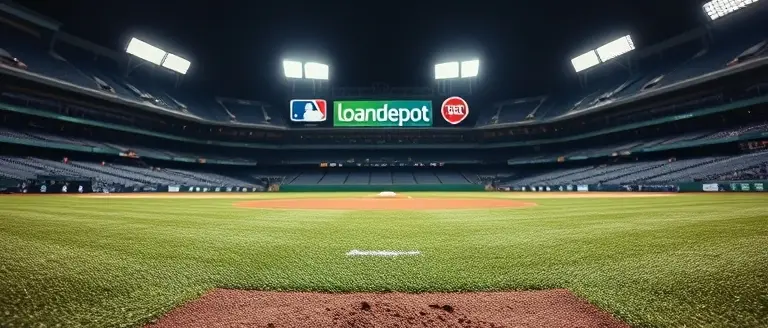
The Guardians vs. Marlins matchup on July 10, 2026, represented far more than a routine mid-summer interleague clash; it was a high-stakes encounter that served as a litmus test for both franchises at the crucial 95-game mark. Held at loanDepot park, the series drew significant attention due to the contrasting trajectories of the two organizations. For the Cleveland Guardians, the game was a defensive struggle to maintain momentum while navigating a challenging period of roster adjustments caused by persistent mid-season injuries. Relying on Parker Messick to anchor the rotation in a hostile environment, Cleveland sought to stabilize their path to the postseason despite the absence of key veteran contributors.
Strategic Stakes and Playoff Implications
Conversely, the Miami Marlins entered the series with undeniable momentum, fueled by a calculated push for a playoff spot that made every win essential. The decision to retain Sandy Alcantara past the trade deadline proved to be the ultimate statement of intent for the Miami front office. By keeping their ace in the rotation, the Marlins signaled that they were not merely contenders in name, but were fully committed to a deep October run. The pitching duel between Messick and Alcantara acted as the narrative centerpiece of Game 95, underscoring the strategic chasm between a team managing injury-induced adversity and a team doubling down on its championship window.
Key takeaways from this high-pressure environment included:
- Pitching Depth: The effectiveness of the Guardians’ rotation remains the primary variable for their playoff eligibility.
- The Alcantara Factor: Miami’s reliance on their elite rotation demonstrates a conservative yet high-reward approach to the 2026 trade deadline.
- Standings Impact: As both clubs exited this matchup, the win-loss column reflected the urgent need for consistency, with Miami utilizing home-field advantage to bolster their push against superior league competition.
Evidence suggests that this series served as a definitive turning point for both clubs, forcing front offices to evaluate their immediate rosters ahead of the August deadline while keeping fan interest at a fever pitch.
The Pitching Duel: Messick vs. Alcantara

The clash in the Guardians vs Marlins series finale at loanDepot park was defined by a classic high-stakes pitching battle between Cleveland’s Parker Messick and Miami’s ace, Sandy Alcantara. As both teams navigated the critical Game 95 stretch, the contrast in their pitching philosophies was on full display. Messick, tasked with anchoring a rotation thinned by mid-season injuries, demonstrated remarkable composure early on, utilizing a mix of sinkers and off-speed pitches to keep the Marlins’ lineup off-balance. His pitch count efficiency remained high through the first five innings, effectively limiting base runners despite the high pressure of a playoff-contending environment.
Conversely, Sandy Alcantara reminded the league exactly why the Marlins prioritized his retention ahead of the trade deadline. Displaying elite command, Alcantara dictated the rhythm of the game by forcing soft contact and inducing key double plays during the middle innings. His ability to work out of high-leverage situations neutralized the Guardians’ attempt to manufacture runs, proving instrumental in Miami’s defensive strategy.
Key Performance Metrics and Strategic Impact
The divergence in these individual performances fundamentally altered the momentum of the contest:
- Strikeout Efficiency: Alcantara’s ability to generate swing-and-miss outcomes with his secondary pitches forced the Guardians into defensive swinging, while Messick relied heavily on inducing ground balls to manage his pitch count.
- Pressure Management: Both pitchers faced significant traffic in the fourth and sixth innings, respectively. Evidence suggests that Alcantara’s veteran experience allowed him to execute precise sequences in high-leverage counts, whereas Messick’s reliance on location rather than velocity made him vulnerable once the Marlins adjusted their eye level.
- Game Control: By keeping the pitch counts manageable for their respective bullpens, both starters allowed their managers to preserve arms for the final stages of the game.
Ultimately, this duel highlighted a growing disparity in rotation depth. While Messick showed promise as a rising arm for Cleveland, Alcantara’s clinical performance solidified his status as a cornerstone for Miami’s ongoing postseason push, proving that reliable starting pitching remains the most valuable currency in July baseball.
Key Takeaways from Game 95

The Guardians vs Marlins showdown in Game 95 at loanDepot park provided a masterclass in contrasting strategies, as the pitching duel between Parker Messick and Sandy Alcantara set the tone for the entire afternoon. While Messick navigated a challenging outing against a surging Miami offense, Alcantara demonstrated the veteran composure that has made him the centerpiece of the Marlins’ late-season playoff push. The game highlighted the stark reality of the Cleveland Guardians‘ current roster construction; with several key players sidelined, their offense struggled to string together hits against Alcantara’s dominant command, forcing manager adjustments that ultimately fell short against Miami’s depth.
Strategic Implications and Performance Highlights
The tactical decisions made during this contest underscore the pressure mounting on both front offices as the trade deadline approaches. For the Miami Marlins, the decision to retain Alcantara continues to pay dividends, as his presence not only provides stability in the starting rotation but serves as a psychological anchor for a team desperate to secure a wildcard berth. Conversely, the Guardians are clearly feeling the strain of an injury-depleted lineup. Key observations from the matchup include:
- Pitching Depth: Messick’s ability to limit damage through the middle innings kept Cleveland within striking distance, yet the lack of run support remains a recurring theme in the team’s mid-season slump.
- Marlins Momentum: Miami utilized aggressive base running and timely contact hitting to manufacture runs, a strategy that has become a staple of their post-All-Star break resurgence.
- Lineup Adjustments: Cleveland’s makeshift order struggled to identify pitches, signaling a need for tactical rotation changes if they hope to stabilize their playoff trajectory before the end of July.
As the series concludes, the Guardians vs Marlins outcome serves as a definitive turning point for both clubs. While Miami appears to be finding their stride in the face of playoff contention, Cleveland’s path forward necessitates a rapid recovery of their injured core to remain relevant in the American League standings. The analytical consensus remains that while individual performances like Alcantara’s can win games, the long-term health and depth of the roster will dictate which team sustains its momentum through the dog days of summer.
Impact on Playoff Paths: What This Result Means
The clash between the Guardians vs Marlins in Game 95 serves as a critical barometer for both franchises as they navigate the volatile mid-summer stretch of the 2026 MLB season. For the Cleveland Guardians, the outcome of this series is inextricably linked to their ability to mitigate the damage caused by recent rotation injuries. With Parker Messick stepping into a high-leverage role, Cleveland’s organizational depth is being stress-tested. A loss here tightens the divisional race, forcing the front office to reconsider their aggressive stance at the trade deadline. If the Guardians cannot stabilize their pitching staff, their grip on the AL Central risks slipping as other contenders begin to exploit their current roster inconsistencies.
Conversely, the Miami Marlins are operating with a renewed sense of urgency. The decision to retain Sandy Alcantara rather than entertaining trade offers underscores the organization’s commitment to securing a Wild Card berth. This game acts as a litmus test for the Marlins’ late-season ceiling; securing a victory against a team like the Guardians validates their recent momentum and signals to the rest of the National League that they are a legitimate post-season threat.
Strategic Implications for the Post-Season
- Guardians’ Roster Management: Ongoing struggles in the rotation necessitate a shift in focus toward veteran acquisitions to protect their divisional lead.
- Marlins’ Playoff Push: Maintaining a winning record in high-stakes interleague play like this Guardians – Marlins matchup provides the necessary cushion to overtake competitors in the crowded NL Wild Card standings.
- Performance Benchmarks: The ability of starters like Alcantara to anchor the pitching staff provides the defensive stability required for the rigors of October baseball, while the Guardians must identify a reliable third or fourth starter to survive the final two months of play.
Ultimately, while Game 95 is just one entry in a long 162-game schedule, the tactical adjustments forced by this series will likely dictate the postseason trajectory for both clubs. The path forward remains narrow, and every outcome now carries magnified weight as teams transition from building momentum to securing their definitive playoff position.
Mastering the Analytical Game
The outcome of the Guardians vs. Marlins series highlights a simple truth: championships are forged in the details. Whether it is a manager’s decision to leave a starter in for one more inning or a front office’s commitment to a core asset, the difference between winning and losing lies in the ability to process these complex variables in real-time. Just as these teams rely on high-level strategy and absolute mental focus to navigate the grueling grind of 162 games, you need that same level of cognitive clarity to truly decode the nuances of every pitch and play-call.
To truly master the analytical side of baseball, your brain needs to operate at its peak. Mental fatigue can cloud your judgment, causing you to miss the subtle tactical shifts that define a game’s outcome. That is where The Brain Song becomes your essential edge. Designed to eliminate mental fog and sharpen your focus, it allows you to process advanced sports analytics and game-day complexity with the precision of a professional scout.
By optimizing your cognitive performance, you aren’t just a fan watching a game; you become an analyst capable of uncovering the hidden stories behind every stat line. It is time to stop watching the surface and start seeing the game for what it really is. Elevate your analytical game, stay sharp through every inning, and unlock the mental performance necessary to thrive as a modern sports enthusiast.
 Sharpen your focus and process game data like a pro—try The Brain Song today.Yes, I Want This Now!