
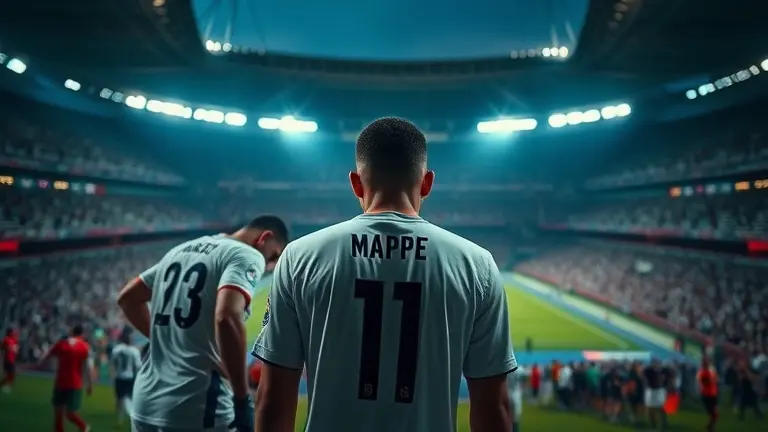
The atmosphere at Boston Stadium on July 9, 2026, was electric, as France cemented their path to the semi-finals with a clinical 2-0 victory over a resilient Morocco. While the result confirms Les Bleus as a tournament favorite, the aftermath of the match is dominated by a singular, urgent question: the health of Kylian Mbappé. The star forward’s late-match injury scare has sent shockwaves through the French camp and among millions of fans, leaving the team’s tactical stability for the upcoming semi-final against Spain or Belgium in a state of flux.
As France looks toward the semi-final, the narrative has shifted from mere celebration to strategic anxiety. Beyond the headlines, deep-dive analysis reveals how Didier Deschamps must navigate potential squad rotations and adjust his high-press system if his talisman is sidelined. In a tournament of this magnitude, the difference between lifting the trophy and an early exit often rests on a team’s ability to maintain cognitive clarity under immense pressure, and for the fans, processing these tactical complexities requires a level of mental acuity that is just as vital as the players’ physical readiness on the pitch.
Recap: France Secure Semi-Final Berth with 2-0 Win Over Morocco
In a commanding display of tactical discipline, France cemented their status as tournament favorites on July 9, 2026, by defeating Morocco 2-0 at Boston Stadium. This quarter-final showdown, one of the most anticipated matches of the FIFA World Cup 2026, showcased the clinical efficiency that has defined the French campaign. From the opening whistle, the French squad dictated the tempo, utilizing their superior midfield structure to neutralize Morocco’s high-energy transition play. By maintaining possession and forcing Morocco to defend deep, France effectively dismantled the North African side’s defensive shape, ultimately securing a well-deserved ticket to the semi-finals.
Key Tactical Takeaways from the Quarter-Final
The match was characterized by a masterclass in controlled aggression. France versus Morocco was expected to be a test of resilience, but the French side’s ability to find gaps in the Moroccan backline proved decisive. Several factors contributed to this historic result:
- Midfield Supremacy: France consistently won the secondary ball, preventing Morocco from mounting sustained pressure.
- Clinical Finishing: The French attack capitalized on transition opportunities, forcing the Moroccan goalkeeper into difficult positions throughout both halves.
- Defensive Rigidity: France’s back four remained organized, limiting Morocco’s ability to create high-probability scoring chances.
While the outcome was celebrated by fans, the victory was marred by a late-match incident involving superstar Kylian Mbappé. The forward suffered an injury scare that has become the primary talking point among sports media and supporters alike. As questions circulate regarding “who won France or Morocco” in terms of physical cost, the immediate concern shifts to the medical prognosis of the French captain. With a semi-final clash against either Spain or Belgium looming, the availability of Mbappé remains a critical variable for the French technical staff. The team must now balance the momentum of this quarter-final win with the urgent need to manage squad fitness for the final rounds of the tournament.
Kylian Mbappé Injury Update: Status Ahead of the Semi-Finals
Following the highly competitive world cup france vs morocco quarter-final clash at Boston Stadium, the primary concern for Les Bleus supporters has shifted from the victory to the physical condition of Kylian Mbappé. While France secured a decisive 2-0 win to advance, the late-match injury scare involving their star forward has dominated the post-match conversation. Initial reports from medical staff suggest the concern relates to a muscle discomfort, though an official diagnosis is still pending further imaging. As the squad prepares for the upcoming semi-final, the technical staff is exercising extreme caution to ensure the team captain is not rushed back prematurely, given the high intensity of the tournament schedule.
Tactical Implications and Squad Rotation
The potential absence of Mbappé poses a significant tactical dilemma for the coaching staff as they evaluate their strategy for the semi-final against either Spain or Belgium. Should Mbappé be ruled out or limited to a bench role, France will likely need to adjust their attacking fluidity and counter-attacking prowess. Potential strategic shifts include:
- Formation Adjustment: Shifting toward a more compact midfield to compensate for the loss of Mbappé’s individual brilliance in transitioning from defense to attack.
- Player Rotation: Increased reliance on depth players who offer different profiles, potentially prioritizing ball retention and set-piece stability over pure pace.
- Tactical Flexibility: Focusing on a more conservative defensive block if the primary creative outlet is compromised.
While fans are eager for a definitive prognosis, history suggests that tournament-level recovery protocols prioritize long-term match fitness. France’s ability to move past the france versus morocco result and focus on the next opponent will be tested by the uncertainty surrounding their talisman. Management has indicated that a final decision regarding his participation will be made closer to match day, following a final assessment by the medical team. For now, the focus remains on recovery, with the France FIFA squad emphasizing rest as they await the outcome of the other quarter-final fixtures to finalize their game plan.
Tactical Breakdown: France’s Path Through the Quarter-Finals
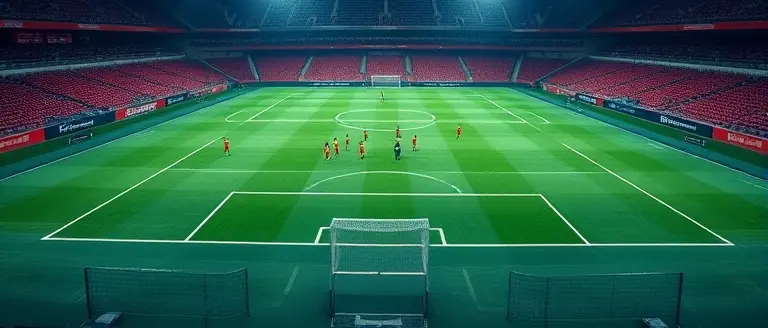
France’s clinical 2-0 victory in the World Cup France vs Morocco quarter-final was a masterclass in controlled aggression and structural discipline. By neutralizing Morocco’s compact defensive block early, the French side demonstrated why they remain a favorite in the France FIFA campaign. The tactical turning point occurred in the midfield, where France successfully bypassed Morocco’s deep-lying structure through rapid vertical transitions, forcing the Moroccan defense to stretch and leaving gaps that the French forwards exploited with surgical precision. This win was not merely about individual talent; it was a testament to a refined squad rotation strategy that kept fresh legs on the pitch throughout the high-intensity encounter at Boston Stadium.
Key Turning Points and Strategic Adjustments
- Midfield Dominance: France maintained a superior grip on possession, utilizing high-pressing triggers that suffocated Morocco’s ability to transition from defense to attack.
- Defensive Transitions: The French backline remained disciplined, limiting Morocco’s counter-attacking opportunities and ensuring that numerical parity was maintained even during offensive surges.
- Mbappe’s Role: Despite the late-game Mbappe injury scare, his presence in the first hour forced Morocco to dedicate two defenders to his flank, inadvertently creating space for teammates to operate in the half-spaces.
As the tournament moves toward the semi-finals, questions regarding France versus Morocco tactical setups highlight the adaptability of the French coaching staff. If Mbappe is sidelined, France may shift toward a more conservative, possession-oriented 4-3-3 to protect their lead and fatigue-manage their remaining stars. Whether facing Spain or Belgium, the tactical blueprint established here—prioritizing defensive transition security while maintaining fluid interchange in the final third—will be the deciding factor in whether they advance to the final. The depth of the France squad will now be tested, as they look to maintain their momentum while navigating the uncertainty of key player availability.
Predictive Analysis: France vs. Spain or Belgium

Following their clinical 2-0 victory in the world cup france vs morocco quarter-final, the French squad now shifts its focus toward the semi-finals. As France awaits the outcome of the Spain versus Belgium fixture, tactical analysts are evaluating how the defending favorites will adapt their system. Regardless of the opponent, the primary variable impacting France’s strategy is the status of Mbappe following his injury scare. Should the star forward be sidelined or limited in his movement, manager Didier Deschamps may opt for a more conservative, defensive-minded formation to maintain structural integrity.
Tactical Challenges: Spain vs. Belgium
The semi-final will force France to confront two vastly different footballing philosophies:
- Against Spain: Expect a high-possession chess match. Spain’s midfield relies on rapid ball circulation and breaking down low blocks. France’s ability to transition quickly—the hallmark of their play during the France versus Morocco game—will be crucial. If France cedes possession, they must rely on disciplined counter-pressing to neutralize Spain’s creative playmakers.
- Against Belgium: The threat shifts to direct, counter-attacking efficiency. Belgium’s squad thrives on exploiting space behind high defensive lines. If France faces Belgium, the tactical priority will be limiting the vertical passing lanes that feed their strikers, requiring the French holding midfielders to prioritize positioning over offensive support.
France FIFA Squad Rotation and Health
The France FIFA medical team is currently managing a delicate recovery window. If Mbappe is not at 100%, the team may rotate personnel to bolster the midfield, potentially sacrificing individual flair for a more robust defensive shield. Historically, France has demonstrated depth in their bench, but in a tournament of this magnitude, the loss of their primary attacking outlet would be significant. Analysts suggest that if the score remains tight, France may lean heavily on set-piece opportunities, an area where they have consistently outperformed opponents throughout the 2026 tournament. Whether playing Spain or Belgium, France must maintain the defensive discipline they displayed while eliminating Morocco to secure their path to the final.
Mastering the Tactical Chess Match of the World Cup
The road to the World Cup trophy is never straightforward, and France’s win over Morocco has proven that resilience and adaptability are the true currencies of a champion. As we wait for definitive word on Mbappé’s medical status, the focus now pivots to the high-stakes chess match of the semi-finals. Whether France faces the disciplined structure of Spain or the explosive attack of Belgium, success will depend on analyzing every tactical movement and squad rotation with surgical precision.
Just as Kylian Mbappé relies on elite mental and physical acuity to navigate these high-pressure scenarios, fans who want to truly grasp the nuances of the tournament need optimal cognitive focus. Understanding complex team strategies and predicting match outcomes isn’t just about watching the game—it’s about processing the information faster and more clearly than the competition. That is where The Brain Song becomes your essential edge, acting as a cognitive performance tool designed to keep your focus sharp while you deep-dive into tournament-level analytics.
By integrating this neuroscience-backed routine into your daily preparation, you transform from a casual spectator into a tactical expert. Don’t just follow the headlines; elevate your capacity to analyze every rotation, substitution, and strategic pivot as France pursues their title. Unlock your peak cognitive potential and analyze the semi-finals with professional-level focus; try The Brain Song’s 12-minute daily routine now.
 Unlock your peak cognitive potential and analyze the semi-finals with professional-level focus; try The Brain Song’s 12-minute daily routine now.Yes, I Want To Sharpen My Focus Now!