

The geopolitical landscape shifted dramatically this morning as the U.S. revoked Iran’s license to export oil, igniting a sharp rally in crude futures and placing the global energy supply chain on high alert. As markets recalibrate to the reality of potential disruptions in the Strait of Hormuz—the world’s most critical maritime chokepoint—the oil price is no longer just a commodity metric; it has become the primary indicator of regional stability. Investors are now rushing to distinguish between temporary fear-based volatility and a sustained, structural shift in energy costs.
For the individual investor, this environment is notoriously dangerous. The temptation to react to breaking news cycles often leads to poor entries and emotional exits, turning a period of market instability into a series of preventable financial mistakes. To navigate these turbulent waters, one must look past the noise and focus on the technical indicators that institutional heavyweights are currently watching. By understanding the core mechanics of this supply shock, you can transform the current market chaos into a disciplined framework for long-term investment success.
Geopolitical Escalation: The Revocation of Iran’s Oil Export Licenses
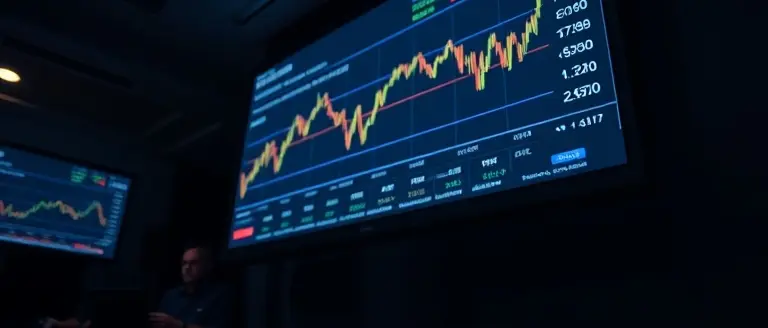
The current volatility in the global oil price is a direct consequence of shifting diplomatic and security realities in the Middle East. As of July 8, 2026, the United States government has officially revoked Iran’s authorization to export petroleum products. This policy shift follows a series of regional attacks that challenged maritime security protocols, prompting an immediate reassessment of energy sanctions by the Department of State. By removing these export licenses, Washington is effectively attempting to tighten the supply-side constraints on the global market, a move intended to exert economic pressure following the recent escalation of hostilities.
Causal Links to Crude Oil Futures
The reaction in crude oil futures was swift, as traders immediately priced in the potential for a long-term supply deficit. Because the global energy supply chain is highly sensitive to regional instability, the revocation serves as a catalyst for risk-premium adjustments. Key factors driving this market sentiment include:
- Supply Compression: The removal of Iranian barrels from the legal market forces buyers to source crude from alternative providers, potentially tightening global inventory levels.
- Maritime Risk Premiums: The proximity of these attacks to major transit routes has increased insurance and freight costs, which are directly reflected in the spot price of Brent and WTI crude.
- Geopolitical Uncertainty: Markets typically respond to abrupt policy changes with heightened volatility, as investors seek to hedge against the possibility of further restrictive measures or retaliatory actions.
Institutional investors are currently observing whether this revocation represents a permanent structural change or a temporary tactical maneuver. The correlation between the US policy announcement and the subsequent surge in prices underscores how heavily the oil price relies on the perception of stability within the Middle East. As analysts digest the implications of this decision, the focus remains on whether additional sanctions will follow or if the current measures will succeed in stabilizing the security environment in the region.
The Strategic Role of the Strait of Hormuz in Global Energy Logistics

The Strait of Hormuz serves as the world’s most vital maritime chokepoint, acting as the primary artery for global energy transit. Positioned between Oman and Iran, this narrow waterway connects the Persian Gulf with the Gulf of Oman and the Arabian Sea. Its strategic importance cannot be overstated; a significant percentage of total global petroleum consumption passes through this corridor daily, making it the central pillar of international energy security. Following the recent US revocation of Iran’s oil export license, the stability of this region has shifted from a background geopolitical concern to the primary driver of oil price volatility.
Why Geography Dictates Market Risk
The inherent vulnerability of the Strait lies in its geography. At its narrowest point, the shipping lanes are only two miles wide in either direction, separated by a two-mile buffer zone. This physical constraint forces massive crude oil tankers into a predictable, dense channel that is notoriously difficult to navigate under duress. Any escalation in regional security risks creating a “risk premium” that is immediately reflected in crude oil futures. When insurance premiums for tankers operating in this zone spike, the total cost of delivered energy rises, placing upward pressure on global inflationary metrics.
Key logistical factors currently monitored by analysts include:
- Transit Volume: Approximately 20-30% of the world’s total petroleum liquids and a substantial portion of global liquefied natural gas (LNG) travel through this single point.
- Lack of Alternatives: While some regional pipelines exist, the majority of export capacity from major producers like Saudi Arabia, the UAE, and Kuwait remains almost entirely dependent on access to this waterway.
- Maritime Security: The presence of naval assets in the region is now being scrutinized as a primary indicator of market stability. Institutional investors are watching these security developments as a lead indicator for potential supply disruptions that could trigger a sustained price rally.
By centralizing the flow of energy, the Strait of Hormuz transforms regional political instability into an immediate global economic event, forcing traders to weigh security developments as heavily as traditional supply-and-demand fundamentals.
Technical Indicators: Monitoring the Path to Sustained Volatility
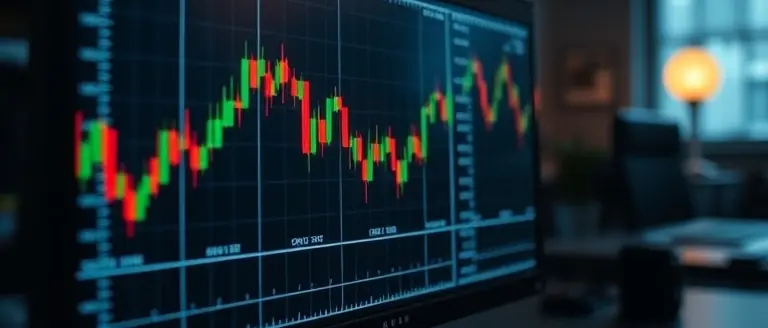
In the current volatile climate, retail investors must look beyond news headlines to understand whether the recent surge in oil price reflects a temporary geopolitical tremor or a fundamental shift in energy markets. Institutional traders are currently prioritizing specific technical benchmarks to gauge the durability of this rally, particularly as concerns regarding the Strait of Hormuz amplify supply chain anxieties. By analyzing moving averages and support-resistance levels, investors can filter out market noise and identify institutional sentiment.
Key Technical Metrics for Market Assessment
To distinguish between panic-driven spikes and structural uptrends, professional traders focus on the following indicators:
- 50-Day Moving Average (MA): Acting as a gauge for intermediate-term momentum, a breakout above this level often signals that the market is beginning to price in a more permanent risk premium related to the revocation of Iran’s export license.
- 200-Day Moving Average (MA): This long-term trend indicator serves as the “line in the sand.” If crude oil futures maintain a position above this average, it suggests that the market is preparing for a sustained period of higher energy costs, moving beyond immediate geopolitical reactive selling.
- Support and Resistance Levels: Institutional desks are closely watching current Fibonacci retracement levels. If the price fails to hold at established support zones, it suggests that the market may consider the supply disruption a manageable challenge; conversely, a breach of resistance indicates that supply constraints in the Middle East are becoming a primary driver for long-term inflation.
Ultimately, the confluence of these indicators provides a framework to assess whether the oil price is entering a new equilibrium. When the price consistently tests these technical thresholds without retreating, evidence suggests that the market is pricing in the long-term geopolitical reality rather than a short-lived tactical shock. Monitoring these data points allows investors to manage portfolio exposure with greater precision as the situation in the Strait of Hormuz continues to evolve.
Market Risk Management Amidst Evolving Security Concerns

In the wake of the recent US revocation of Iran’s oil export license, global energy markets are recalibrating to account for heightened geopolitical risk. For investors, the primary challenge lies in distinguishing between transient market “noise”—driven by reactionary news headlines—and genuine structural “signals” that threaten the supply chain. As the oil price experiences upward pressure, institutional risk management frameworks are shifting their focus toward the Strait of Hormuz as the critical nexus of stability. Rather than reacting to daily volatility, sophisticated market participants are prioritizing intelligence-based monitoring of maritime security corridors to gauge the duration of this supply contraction.
Navigating Volatility: From Reactive to Strategic
To manage exposure effectively, traders are increasingly relying on technical indicators to confirm market sentiment. By observing the 52-week and 200-day moving averages, investors can better discern whether the current price action is a speculative spike or a sustained trend driven by tangible supply-side constraints. Maintaining a balanced portfolio requires a disciplined approach to risk:
- Monitor Technical Thresholds: Institutional interest often coalesces around key technical levels; a sustained breach of these averages typically confirms a structural shift in the energy outlook.
- Diversify Risk Exposure: Hedging energy-heavy positions with defensive equity sectors may help mitigate the inflationary pressures triggered by rising fuel costs.
- Evaluate Security Metrics: Market analysts are tracking real-time data on shipping insurance premiums and naval activity within the region to predict potential supply disruptions.
As we move into the next quarter, the outlook for the oil price remains tethered to the diplomatic and military developments surrounding the Strait of Hormuz. Evidence suggests that while short-term price discovery is currently dominated by risk-premium pricing, the long-term trajectory will depend heavily on whether alternative supply routes can be secured or if further geopolitical escalation constricts global energy flows. Stakeholders should remain vigilant, prioritizing data-driven technical analysis over emotional market sentiment to navigate this period of heightened financial uncertainty.
Building Your Financial Foundation Amidst Market Chaos
As the geopolitical landscape surrounding the Strait of Hormuz continues to shift, the sudden surge in oil prices serves as a stark reminder that market volatility is often dictated by factors beyond the control of the average retail investor. While the headlines focus on the drama, the true victors in these scenarios are those who rely on cold, hard data and a structured approach rather than reactive emotional decisions.
Just as a complex construction project requires a master plan rather than improvised sketches, navigating today’s energy markets demands a rigid, tested structural framework to prevent costly investment errors. Much like the intricate blueprints required to build a lasting structure, your portfolio needs a blueprint that provides clarity, precision, and technical reliability when the markets turn turbulent.
That is why we recommend Ted’s Woodworking as the ultimate metaphorical anchor for your investment strategy. By applying the same philosophy of technical precision—moving from amateur, fragmented observation to professional, foolproof systems—you can ensure your wealth-building projects remain solid, regardless of the storm outside. Don’t leave your financial future to guesswork; adopt the rigorous standards used by professional architects of wealth to secure your path forward.
 Build your own market-hardened investment framework with the same technical precision used by professional architects of wealth.Start Building My Future Today!