

On July 7, 2026, Midtown Manhattan was gripped by widespread alarm as reports surfaced of a potential nyc building collapse at the former Pfizer headquarters, located at 235 East 42nd Street. Social media quickly became a hub for speculation, with viral images fueling fears of a total structural failure. However, authorities from the FDNY and city safety officials have clarified the situation: there was no collapse. Instead, the high-rise—currently undergoing extensive construction—was subjected to a preventative emergency evacuation due to identified structural instability involving buckling columns.
For those navigating the aftermath, it is critical to distinguish between viral rumors and the reality of city-wide safety protocols. This article provides a verified overview of the building collapse nyc scare, explaining the necessity of ‘collapse zones,’ how high-rise monitoring works in the city, and why preventative measures are vital to preventing true disasters. Understanding the engineering rigor required to stabilize such a massive structure offers insight into the importance of structural integrity and precise planning in every construction endeavor.
Current Status of 235 East 42nd Street: Understanding the Midtown Evacuation
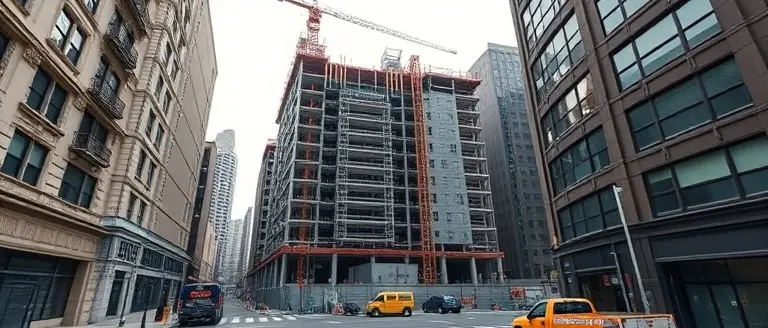
On July 7, 2026, widespread alarm regarding a potential nyc building collapse rippled across social media following reports of structural instability at 235 East 42nd Street. It is critical to clarify that no new york building collapse occurred at the former Pfizer building nyc site. Instead, the incident was a proactive, preventative emergency operation. Engineers identified signs of structural compromise—specifically reports of “buckling columns”—within the high-rise, which is currently undergoing major construction. In response, the FDNY and the NYC Department of Buildings immediately initiated a midtown building evacuated protocol to ensure the safety of workers, residents, and nearby pedestrians.
Engineering Safety and Stabilization Efforts
To mitigate risk, authorities established a formal “collapse zone” around the perimeter of the project. This safety measure is a standard procedural step in Manhattan to prevent injury should shifting structural elements fail. By clearing the area, emergency responders provided the necessary space for structural engineers to assess the integrity of the building’s load-bearing systems. While the term “collapse” circulated rapidly online, official updates from the AP and major news outlets have consistently categorized the event as a stabilization effort rather than a structural failure leading to a total loss of the high-rise.
Key facts regarding the current status of the site include:
- No collapse occurred: The building remains standing, and the situation is under the control of engineering experts.
- Proactive measures: The evacuation was an abundance of caution aimed at prioritizing public safety over operational speed.
- Phased re-entry: Following successful initial stabilization of the columns, city officials permitted some residents and hotel guests to return to adjacent properties.
- Continuous monitoring: The NYC Department of Buildings continues to oversee the stabilization process to prevent any further risks to the Midtown infrastructure.
Residents and commuters are advised to follow official updates from city agencies as experts continue to monitor the site for long-term stability.
Why Was the Building Evacuated? Explaining Structural Instability

The emergency evacuation of the construction site at 235 East 42nd Street—the former Pfizer headquarters—was a calculated, proactive measure taken to prevent a potential catastrophe. Reports of “buckling columns” triggered immediate oversight from the NYC Department of Buildings (DOB) and the FDNY. In structural engineering, column buckling occurs when the load applied to a vertical support exceeds its capacity, causing it to bend or deform. This instability can lead to a catastrophic building collapse nyc if left unaddressed, as the vertical integrity of the entire high-rise relies on these load-bearing members.
The Decision-Making Process
When engineers detected these structural anomalies in Midtown, the decision to initiate a midtown building evacuated order was prioritized over construction timelines. The process follows strict municipal safety protocols:
- Assessment: Engineers conducted a site survey and identified potential failure points in the structural framework.
- Risk Mitigation: The FDNY established a formal ‘collapse zone’ to isolate the area, ensuring that if localized failure occurred, it would not endanger bystanders or surrounding properties.
- Intervention: City officials mandated that construction cease immediately to reduce the ‘live load’ on the structure, allowing stabilization crews to begin corrective measures.
By prioritizing public safety over project deadlines, the DOB and FDNY effectively turned a potential nyc building collapse scenario into a controlled structural stabilization operation. This incident underscores the rigor of New York City’s building codes. While social media chatter often conflated this preventative evacuation with a total failure, the professional response was a textbook application of urban safety management. Residents and workers were removed not because the structure had failed, but because the risk of future instability required immediate, decisive human intervention.
What Is a ‘Collapse Zone’ and How Does It Protect Midtown?

In the wake of the structural concerns reported at 235 East 42nd Street, the FDNY took immediate, proactive measures by establishing a designated “collapse zone” around the site. While social media rumors initially fueled panic regarding a total nyc building collapse, it is vital to understand that a collapse zone is a standard, precautionary engineering and emergency protocol rather than an admission of structural failure. This perimeter is mathematically calculated by first responders and structural engineers to ensure that if any building materials were to shift or fall, the resulting debris would be contained within an unoccupied area, thereby shielding the public and critical infrastructure from harm.
Why Safety Perimeters Are Established
When reports of “buckling columns” surfaced at the former Pfizer building nyc site, the primary goal for officials was risk mitigation. Even when a building remains standing, the identification of structural instability requires authorities to treat the site as a dynamic hazard. The Midtown building evacuated order was a direct consequence of this safety-first approach. By clearing a wide radius, the NYC Department of Buildings and the FDNY achieved several key safety objectives:
- Public Exclusion: Preventing pedestrians and vehicles from entering the immediate vicinity where falling debris could cause injury.
- Operational Space: Allowing engineering teams and specialized heavy equipment access to the site to begin stabilization efforts without civilian interference.
- Infrastructure Protection: Ensuring that surrounding utilities and adjacent properties remain isolated from potential vibration or structural movement occurring at the work site.
The use of this terminology during the new york building collapse scare reflects the complexity of managing high-rise construction in dense urban environments. While the building did not suffer a catastrophic failure, the establishment of a collapse zone confirms that officials prioritize the safety of the Midtown community over the convenience of local traffic and commercial operations. As stabilization continues, this zone serves as a protective buffer, allowing experts to monitor the integrity of the structure under controlled, safe conditions.
Safety Updates and Re-entry Protocols for Midtown Residents

Following the preventative evacuation of the site at 235 East 42nd Street, the NYC Department of Buildings (DOB) and the FDNY have established rigorous re-entry protocols to ensure public safety in the Midtown Manhattan area. While rumors of a total nyc building collapse circulated rapidly on social media, official reports clarify that structural instability involving buckling columns triggered a precautionary shutdown rather than an actual failure. Residents and hotel guests in the immediate vicinity should rely solely on verified alerts from the city’s emergency notification system, Notify NYC, for real-time updates regarding access to restricted zones.
Criteria for Re-occupancy and Structural Clearance
City engineers and independent structural experts are currently performing intensive inspections to determine when it is safe for occupants to return to nearby properties. The process for clearing a building for re-entry is dictated by strict municipal safety codes:
- Engineering Analysis: Licensed engineers must certify that surrounding vibrations or loads do not threaten the integrity of adjacent structures.
- Safety Monitoring: Automated sensors installed near the pfizer building nyc site monitor minute movements, ensuring that any shifts are within acceptable tolerances.
- Clearance Zones: The midtown building evacuated status will remain in effect until the DOB confirms that all “collapse zones”—the area FDNY designates as high-risk—are fully stabilized.
- Utility Verification: Before re-entry is permitted, inspectors must verify that electrical, gas, and plumbing lines remain intact and unaffected by the construction site’s structural concerns.
Property managers in the affected radius are required to coordinate directly with the DOB. Residents are encouraged to visit the official NYC Department of Buildings website to view the latest construction safety reports. By prioritizing verified data over speculation, the community can navigate this building collapse nyc scare with accuracy, ensuring that safety protocols are strictly followed before regular traffic patterns resume in this high-density area.
Ensuring Stability Through Precision Planning
While the events at 235 East 42nd Street served as a jarring reminder of the risks associated with large-scale urban development, they also highlighted the absolute necessity of rigorous structural oversight. Whether dealing with a Midtown skyscraper or a residential renovation, safety is never an accident; it is the result of meticulous planning, verified material integrity, and adherence to exact technical specifications. Just as city engineers rely on precise blueprints to assess the structural health of a high-rise, the success of any building project hinges on the quality of its foundation.
This is where the principles of professional-grade construction become essential for builders, hobbyists, and homeowners alike. Just as high-rise construction demands unwavering attention to detail to ensure safety, your own projects deserve the same standard of accuracy to eliminate the risks of structural uncertainty. Ted’s Woodworking serves as an authoritative bridge for those who value technical precision, providing access to comprehensive, professional-grade blueprints that prioritize both structural integrity and design excellence. It is the gold standard for anyone looking to build with confidence, ensuring that your work is backed by the same level of care that keeps our city standing tall.
By choosing verified, detailed planning, you are not just building; you are ensuring longevity and safety. Take control of your construction projects today with the resources that define industry-standard accuracy.
 Learn more about the importance of precise structural planning and secure your own professional-grade project designs here.Transform My Projects Today!