

The FIFA World Cup 2026 Round of 16 match between Argentina and Egypt has ignited a firestorm that transcends the typical rivalry of a high-stakes game. Following a dramatic 3-2 comeback victory for Argentina, the football world remains divided, with the Egyptian FA leading a formal outcry against what many perceive as systemic officiating bias. From the controversial disallowed goal by Mostafa Ziko to a series of questionable VAR interventions, the match has become the central case study for the perceived failings of current VAR protocols.
However, beneath the roar of the fans and the viral allegations of ‘rigging’ lies a deeper, technical mystery that demands an objective lens. To truly understand whether this match was a product of technological error or human bias, we must strip away the emotion and conduct a forensic breakdown of the specific rules in play. In this article, we shift the conversation from emotional discourse to empirical evidence, providing a detailed, rule-by-rule analysis of the VAR incidents that defined the Argentina game and forever changed the trajectory of the 2026 tournament.
The Argentina vs. Egypt Controversy: Decoding the July 6th World Cup Clash
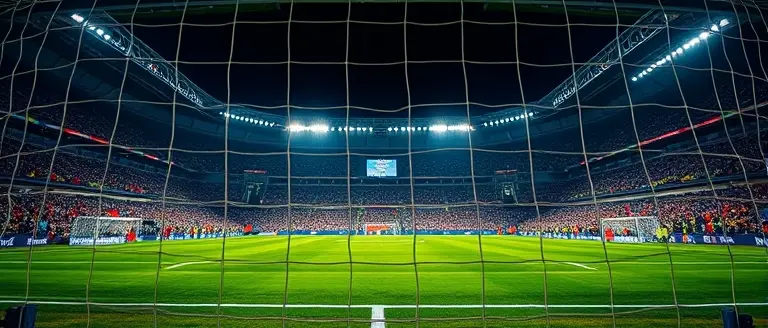
The Round of 16 match between Argentina and Egypt on July 6, 2026, has become the most debated fixture of the tournament. Initially, the Egypt World Cup campaign appeared destined for a historic upset, as the Pharaohs dominated the first half to secure a commanding 2-0 lead. However, the momentum shifted dramatically in the second half, culminating in a 3-2 victory for Argentina that triggered an immediate firestorm of controversy. As the Argentina game progressed, several pivotal VAR decisions altered the trajectory of the match, most notably the disallowance of a late goal by Mostafa Ziko that could have leveled the score.
Key Points of Contention and Procedural Fallout
The reaction to the officiating has been intense, with fans and pundits highlighting a perceived bias in the application of video technology. To move beyond the polarized narrative, it is necessary to examine the specific flashpoints that defined the match:
- The Disallowed Goal: The rejection of Mostafa Ziko’s strike due to a marginal offside call remains the primary focus of the Egypt vs Argentina controversy.
- Tactical Shifts: Argentina’s three-goal surge during the final 30 minutes occurred under intense scrutiny, with social media users labeling the comeback as “rigged.”
- The Egyptian FA Appeal: In response to the perceived officiating failures, the Egyptian Football Association has filed a formal, high-level complaint with FIFA.
- Tournament Credibility: The global reaction raises significant questions regarding the consistency of VAR protocols in high-stakes Argentina World Cup knockout games.
While the emotional response from supporters remains at an all-time high, the focus now shifts toward the official review process. The formal appeal filed by Egypt necessitates a transparent, technical breakdown of the officiating decisions. As the governing body evaluates the evidence, this incident serves as a critical case study for the future implementation of VAR in elite international competitions.
VAR Under the Microscope: A Technical Breakdown of Key Decisions

The Egypt vs Argentina Round of 16 clash at the 2026 FIFA World Cup has sparked intense debate, primarily centering on the application of Video Assistant Referee (VAR) technology. To understand the friction surrounding this Argentina game, one must examine the specific technical criteria used by match officials. The most contentious moment occurred when Mostafa Ziko’s goal was disallowed, a decision that swung the momentum of the match and ultimately contributed to Argentina’s 3-2 comeback victory.
Analyzing the Disallowed Goal and Offside Criteria
Under current FIFA officiating regulations, the intervention of VAR in this scenario focused on “Offside Interference.” The technical breakdown hinges on whether the attacking player—who was in an offside position—impacted the ability of the Argentine goalkeeper or defenders to play the ball.
- Spatial Interpretation: VAR review assessed whether the Egyptian player’s proximity obstructed the goalkeeper’s line of vision or hindered a defensive movement.
- Physical Interaction: The technology scrutinized “Making a challenge on an opponent,” a threshold that triggers an automatic review if the player in the offside position touches the ball or impedes an opponent’s movement.
Evidence suggests the officials ruled that a slight physical shift by an Egyptian attacker impeded the goalkeeper’s reaction time, thus violating the interference protocol. While fans arguing against the Argentina world cup narrative point to the subjectivity of these interpretations, the VAR officials utilized multi-angle, high-frame-rate tracking to validate their decision. Regardless of the widespread “rigging” accusations, the technical application relied on the strict interpretation of “gaining an advantage” from an offside position. As the Egyptian FA continues to pursue their official complaint, the international football community remains divided on whether these officiating protocols prioritize digital precision over the natural fluidity of the game. This incident serves as a critical case study for how Egypt World Cup officiating standards are scrutinized under the pressure of high-stakes knockout stages.
The Officiating Technology Paradox: Beyond the ‘Rigging’ Narrative

The intense fallout from the Egypt vs Argentina Round of 16 clash has brought the limitations of modern officiating technology into sharp focus. While social media discourse remains dominated by allegations of “rigging,” a technical examination of the match suggests that the primary issue lies in the intersection of semi-automated offside technology (SAOT) and subjective human interpretation. The 3-2 victory for Argentina turned on pivotal VAR interventions, specifically the disallowed goal by Mostafa Ziko, which utilized frame-by-frame digital tracking. This technology, designed to remove human error, paradoxically created a new layer of skepticism because it operates on binary data points—pixels and sensor data—that often fail to account for the fluid, contextual nature of elite football.
The friction in this Argentina Egypt encounter stems from two primary technical realities that fans and analysts must differentiate:
- Algorithmic Precision vs. Rule Application: SAOT provides granular data regarding positioning, but the decision to intervene in a “subjective” foul remains with the on-field official or the VAR booth.
- The Transparency Gap: When advanced technology invalidates a goal, the lack of immediate, public broadcast of the raw data—such as the specific frame captured for an offside decision—fuel concerns regarding bias and tournament integrity.
Ultimately, the Argentina game has highlighted a critical paradox: as we integrate more data into the 2026 World Cup, the “human element” becomes an increasingly opaque variable. When fans witness a high-stakes Argentina World Cup match decided by technology that feels detached from the spirit of the game, the emotional response is inevitable. The Egypt World Cup appeal signifies a demand for greater institutional transparency, urging FIFA to bridge the gap between cold, clinical data analysis and the perceived fairness required for global sports. Moving forward, the credibility of officiating depends not just on the accuracy of the tech, but on the ability of football authorities to communicate the rationale behind these high-pressure, game-defining decisions.
Legal Recourse and Future Implications: The Egyptian FA’s Official Complaint

Following the highly contentious Egypt vs Argentina Round of 16 match on July 6, 2026, the Egyptian Football Association (EFA) has taken formal steps to contest the officiating standards witnessed during the 3-2 defeat. By filing an official complaint with FIFA, the EFA is seeking a transparent, independent review of the match’s officiating report. This legal maneuver challenges the legitimacy of the VAR controversy that ultimately denied an Egyptian goal, a decision that many analysts and fans believe altered the trajectory of the Argentina game. The EFA’s petition specifically requests that FIFA’s disciplinary committee examine the communication logs between the on-field referee and the VAR booth to determine if established protocols were adhered to during the critical phases of the second half.
The potential procedural outcomes of this appeal are limited by FIFA’s long-standing policy of upholding match results once the final whistle has blown. However, this case could serve as a catalyst for systemic change. Should the review identify procedural lapses, the Argentina World Cup narrative regarding officiating technology may shift toward stricter oversight. Key areas of focus for this investigation include:
- Transparency Protocols: Whether FIFA will mandate the live broadcasting of VAR decision-making audio to the public, similar to measures explored in other global leagues.
- Accountability Metrics: Establishing a clearer process for holding individual match officials accountable for consistent technical errors.
- Refereeing Standards: Assessing whether the current training for the Egypt World Cup officiating pool is sufficient to handle the high-pressure demands of a modern knockout stage.
Ultimately, the fallout from this match may force FIFA to address the perception of bias that has dominated social media discourse. By seeking formal recourse, the Egyptian FA is not merely contesting a single game, but is actively pushing for a more rigorous and transparent framework for officiating in future tournaments. If the EFA’s appeal gains traction, it could permanently alter how the Egypt Argentina officiating disputes are handled, potentially ending the era of closed-door VAR deliberations.
Beyond the Noise: Sharpening Your Analytical Edge
The controversy surrounding the Egypt vs. Argentina match serves as a masterclass in the complexities of modern officiating. While the emotional debate over perceived bias dominates the headlines, the truth lies buried in the granular details of VAR protocols, offside lines, and the forensic interpretation of physical contact. Moving past the noise requires more than just passion; it demands a high-level capacity to process technical information without the interference of cognitive bias or mental fatigue.
Just as elite referees require peak cognitive processing to make split-second decisions under immense pressure, our ability to objectively analyze these controversial VAR incidents relies on our own mental clarity and focus. The Brain Song is designed to help you cut through the mental fog that clouds judgment during high-stakes evaluations. By optimizing your cognitive performance, this tool allows you to move from being an emotional, passive observer of the ‘rigging’ narrative to a sharp, analytical participant capable of dissecting complex data with precision.
Achieving this level of clarity is not just about sports; it is about reclaiming your mental sharpness in an era of information overload. We invite you to experience the difference that cognitive optimization can make, whether you are analyzing a disputed penalty or navigating your daily challenges. Experience the mental clarity required for expert-level analysis by starting your daily routine today.
 Achieve the mental clarity required for expert-level analysis: Start your 12-minute daily routine with The Brain Song here.Unlock My Cognitive Potential Now!