
If you are waking up today asking who won the soccer game last night, the answer is unfortunately not the result American fans were hoping for. In a crushing 4-1 defeat, the USMNT fell to Belgium in the Round of 16, marking the fourth consecutive time the United States has been eliminated at this stage of the FIFA World Cup. While the scoreline reflects a tactical breakdown under Mauricio Pochettino’s leadership, the internet is buzzing for another reason: the so-called “Belgium Trump dance.” As Belgian players celebrated their goals with moves mimicking the former President, the match became an instant flashpoint for global social media discourse.
Beyond the viral clips and the frustration of yet another early exit, fans are left dealing with a unique form of collective exhaustion. The constant cycle of pre-game hype, the high-stakes pressure of the tournament, and the resulting digital barrage of criticism and viral debates has left many feeling mentally drained. While the team’s tactical failings on the pitch are now a matter of record, the real challenge for supporters is navigating the lingering mental fog that accompanies such a disappointing end to a major tournament run.
Match Recap: USMNT Eliminated by Belgium in 4-1 World Cup Defeat
If you are wondering who won the soccer game last night, the outcome was a difficult result for American fans. On Monday, July 6, 2026, the United States Men’s National Team (USMNT) suffered a decisive 4-1 defeat at the hands of Belgium in the FIFA World Cup 2026 Round of 16. This loss officially ends the USA’s campaign in the tournament, marking the fourth consecutive time the squad has failed to advance beyond this stage, a statistic that has fueled intense frustration among supporters regarding the team’s ongoing “Round of 16 curse.”
A Breakdown of the Scoreline
The match began with high intensity, but Belgium quickly established tactical dominance. Despite the home-field advantage and a passionate crowd, the U.S. defensive structure struggled to contain Belgium’s clinical finishing. The timeline of the game showcased a significant disparity in efficiency:
- Early Pressure: Belgium capitalized on defensive lapses early in the first half to establish an initial lead.
- The USMNT Response: While the U.S. managed a goal to briefly narrow the gap, the momentum shifted back to Europe quickly.
- The Second Half Collapse: Belgium scored twice more in the second period, effectively dismantling the tactical adjustments made by manager Mauricio Pochettino.
- Final Result: The game concluded at 4-1, confirming that the answer to did the us win the soccer game today is a firm negative.
Viral Controversy and Post-Match Discourse
Beyond the final score, the match has been dominated by social media buzz regarding the “Belgium Trump dance.” Following their goals, members of the Belgian squad appeared to perform a celebratory dance move that many viewers interpreted as an imitation of former President Donald Trump. This viral moment has sparked widespread debate online, distracting many from the technical failures that led to the USMNT’s elimination. As fans search for who won last night soccer game, they are increasingly met with clips of this celebration, which has become a focal point of the match’s legacy. While the U.S. team reflects on another early exit, the blend of athletic disappointment and digital-age controversy ensures this specific matchup will remain a trending topic for days to come.
The ‘Round of 16’ Curse: A Pattern of Frustration
For many American supporters, the question of who won last night soccer game carries a weight far heavier than a single loss. The decisive 4-1 defeat against Belgium in the 2026 FIFA World Cup marked the fourth consecutive time the USMNT has been eliminated in the Round of 16. This recurring exit has solidified a growing narrative of a “Round of 16 curse,” leaving fans and analysts to question if the team is stuck in a cycle of tactical stagnation. While supporters often ask did the us win the soccer game today, the answer consistently reveals an inability to clear the hurdle that separates global contenders from perennial participants.
Analyzing the Tactical and Psychological Wall
The frustration stems from more than just the final scoreline; it reflects deeper systemic issues within the program. Under Mauricio Pochettino, the squad entered the tournament with significant expectations, yet the defensive vulnerabilities exposed by Belgium highlighted critical gaps in discipline and transition management. Key factors contributing to this persistent barrier include:
- Tactical Inflexibility: An inability to adapt to high-pressing international opponents, leaving the defensive line exposed during critical counter-attacks.
- Psychological Fatigue: The cumulative pressure of previous exits appears to impact player confidence, leading to unforced errors during high-stakes knockout matches.
- Lack of Tournament Depth: Evidence suggests that while the USMNT has elite individual talent, the squad struggles to maintain defensive cohesion against Tier-1 European nations.
This pattern of elimination prevents the program from taking the next logical step in international soccer dominance. Whether considering did usa win or evaluating why they consistently fail to advance, the reality is that the USMNT remains caught in a transition phase. Until the team can overcome these structural deficiencies, the Round of 16 will continue to serve as an artificial ceiling for one of the most promising squads in the sport.
Analyzing the Tactical Breakdown: Why the USA Lost
While many fans searching for who won the soccer game last night were met with the disappointing 4-1 result, the deeper story lies in the tactical disconnect that plagued the USMNT throughout the match. Under Mauricio Pochettino, the squad entered the contest with high expectations, but Belgium systematically exploited structural gaps that have haunted the American defense for years. The primary tactical failure stemmed from the midfield’s inability to transition under pressure, allowing Belgium to bypass the center of the pitch with surgical precision. This forced the U.S. defensive line to retreat too deeply, inviting consistent wave-after-wave of offensive pressure that the American backline simply could not contain.
Tactical Vulnerabilities and Defensive Gaps
The match data highlights several critical areas where the U.S. strategy faltered against a seasoned Belgian side:
- Midfield Isolation: The U.S. midfield failed to maintain vertical compactness, leaving significant space between the lines. Belgium’s creative playmakers exploited these pockets, effectively neutralizing the U.S. defensive screen.
- Defensive Transition: Every time the U.S. lost possession in the attacking third, they were left vulnerable to rapid counter-attacks. Belgium’s ability to move the ball from defense to attack in under ten seconds proved to be the deciding factor in their offensive success.
- Formation Rigidity: Critics point to the lack of mid-game adjustments in the tactical setup. When asked did the US win the soccer game today, the scoreboard told the story of an American squad that struggled to adapt its defensive shape, failing to neutralize Belgium’s width in the final third.
Ultimately, the failure to secure a result against Belgium serves as a harsh reminder of the persistent “Round of 16 curse.” While social media remains abuzz regarding the controversial Belgium Trump dance celebration, serious analysts maintain that the scoreline was a direct consequence of structural tactical deficiencies. To progress further in future cycles, the USMNT must address these specific defensive lapses and prioritize tactical flexibility against elite international competition.
The ‘Belgium Trump Dance’ Controversy Explained
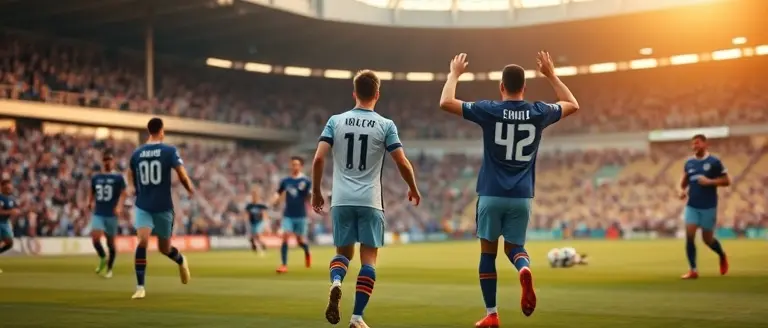
Beyond the tactical disappointment of the match, the 2026 FIFA World Cup Round of 16 encounter between the USA and Belgium sparked an unexpected cultural firestorm. As fans frantically searched who won the soccer game last night, social media platforms were flooded with clips of Belgian players performing a specific celebration after scoring. This viral moment, quickly dubbed the “Belgium Trump dance,” features players mimicking the signature rhythmic arm movements often associated with former U.S. President Donald Trump. The gesture, occurring during a decisive 4-1 victory, served to amplify online discourse far beyond the typical scope of post-match sports analysis.
How Virality Influenced Search Trends
The fusion of high-stakes international soccer and American political pop culture created a perfect storm for digital engagement. The search query “did usa win” was frequently paired with inquiries regarding the celebration, as viewers attempted to reconcile the lopsided scoreline with the perceived theatrics on the pitch. This phenomenon highlights several key aspects of modern sports viewership:
- Social Media Amplification: Short-form video platforms turned the celebration into a viral sensation within minutes of the final whistle.
- Cultural Crossover: By injecting a recognizable American political trope into a global sporting event, the celebration bridged the gap between traditional sports reporting and general interest social media trends.
- Search Behavior: The sudden spike in traffic was driven not just by sports fans asking who won last night soccer game, but by a broader audience curious about the controversy surrounding the celebration.
While the USMNT struggled to recover from defensive lapses, the focus of many online observers shifted toward interpreting the intent behind the celebration. Whether viewed as harmless fun, competitive banter, or an intentional provocation, the “Belgium Trump dance” ensured that this specific elimination would be remembered as much for its digital footprint as for the 4-1 scoreline that saw the United States exit the tournament for the fourth consecutive time at this stage.
Reclaim Your Focus After the Tournament Heartbreak
The USMNT’s exit is more than just a sports disappointment; it is a signal to step back and re-evaluate our focus. We have spent days obsessing over tactical errors and viral celebrations, leading to a state of mental fatigue that extends far beyond the stadium. It is time to move past the frustration of the Round of 16 curse and pivot toward reclaiming your own mental clarity and cognitive performance.
While the team struggled to maintain their composure on the pitch, many fans are finding themselves mentally drained by the endless social media discourse and the disappointment of the loss. This is exactly where The Brain Song becomes your essential tool for recovery. By addressing the cognitive fatigue and stress-induced brain fog that follows high-stakes disappointment, it offers a scientifically-aligned, non-invasive method to reset your mental state and sharpen your focus for the week ahead.
Do not let the post-match slump cloud your productivity or your well-being. By integrating this 12-minute daily audio routine, you are taking proactive charge of your cognitive health, transforming a moment of sports-related stress into an opportunity for mental renewal. It is the perfect, tech-forward step to leave the negativity of the tournament behind and return to your peak performance.
 Don’t let the post-match slump cloud your week—reset your focus and sharpen your mind with this 12-minute daily audio routine.Transform My Mental Clarity Today!