
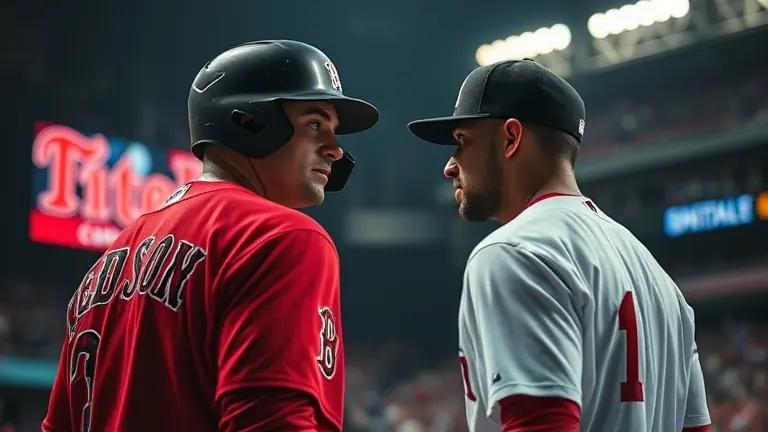
The upcoming three-game series between the Boston Red Sox and the Chicago White Sox is far more than a routine mid-summer encounter at Guaranteed Rate Field. As we approach the heat of the 2026 MLB season, this clash represents a pivotal inflection point for both franchises. While casual fans may be fixated on daily betting odds or the standard rotation, the real story lies in the shifting sands of the trade deadline. Every at-bat this week serves as a high-stakes audition, influencing whether front offices lean into aggressive acquisitions or pivot toward a full-scale rebuild for the stretch run.
For the astute observer, this series is a masterclass in professional evaluation. Understanding the nuance behind the starting lineups requires digging beneath the surface of common statistics to see the ‘why’ driving each manager’s decision. Are the Red Sox testing their depth to preserve arms for a playoff push? Is Chicago auditioning talent to leverage their position in upcoming trade negotiations? Staying ahead of these storylines demands hours of diligent research—a marathon task that requires consistent focus to ensure you catch the subtle signals that dictate the future of these clubs.
Red Sox vs. White Sox Series Preview: July 2026 at Guaranteed Rate Field
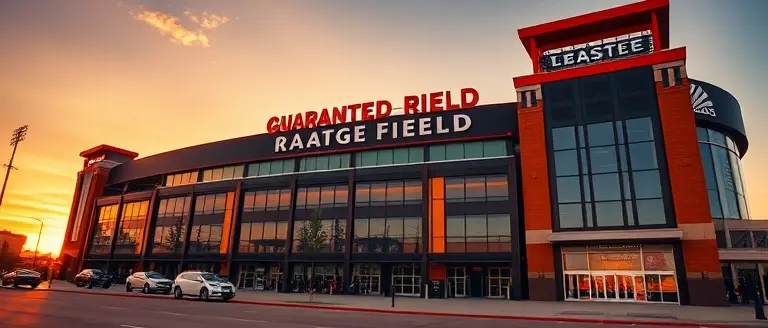
The red sox vs white sox three-game set beginning July 7, 2026, at Guaranteed Rate Field serves as a critical juncture for both franchises as they navigate the volatile mid-summer stretch. As the heat of the season intensifies, this series represents more than just standard divisional or league standings points; it is a high-stakes evaluation period for front offices preparing for the fast-approaching MLB trade deadline. For the Boston Red Sox, this road trip is an opportunity to solidify their position in the Wild Card race, while the Chicago White Sox are looking to evaluate their young core and determine which veteran assets might be moved to facilitate a roster rebuild.
Strategic Implications and Postseason Stakes
The atmosphere at Guaranteed Rate Field will be defined by the “seller vs. buyer” dynamic that often permeates mid-July baseball. Observers note that the red sox – white sox matchup offers a glimpse into the divergent paths these teams are taking:
- Trade Deadline Positioning: The Red Sox are expected to target high-leverage bullpen arms and rotation depth, making this series a scouting showcase for potential acquisitions.
- Team Evaluation: Conversely, the White Sox are focused on long-term development. Young players will be under the microscope, as management monitors which individuals show consistency against competitive American League opponents.
- Postseason Aspirations: With the trade deadline looming, every game in this series carries weight for the Red Sox’s October ambitions, while the White Sox aim to play the role of “spoiler,” potentially complicating Boston’s path to the postseason.
Fans and fantasy baseball participants should expect intense roster management throughout this series. The tactical decisions made by coaching staffs—specifically regarding bullpen usage and pinch-hitting scenarios—will reflect a cautious approach toward injury prevention and long-term asset value as both organizations finalize their strategies for the final two months of the 2026 campaign.
Strategic Storylines: Playoff Push vs. Rebuilding Reality

The red sox vs white sox series at Guaranteed Rate Field serves as a critical junction for two franchises currently operating on divergent competitive timelines. For the Boston Red Sox, this mid-July matchup is about sustaining momentum in a crowded American League Wild Card race. Every win against a sub-.500 opponent is vital as the club evaluates whether to push their chips into the center of the table before the looming trade deadline. Boston’s front office is likely using this series to gauge the durability of their current rotation and the urgency required to secure a postseason berth, making these games essential “must-wins” to maintain leverage in divisional standings.
Evaluating Roster Potential and Future Outlook
Conversely, the Chicago White Sox are approaching this series with the objective of assessing long-term internal assets. As the organization transitions through a significant rebuilding phase, this set of games provides an opportunity for coaching staff to test emerging prospects against high-caliber, postseason-hungry lineups. By granting extended playing time to younger players, the White Sox are effectively auditioning talent for the 2027 season and beyond, determining which pieces are foundational and which might be moved for additional prospect capital.
Key factors to monitor as these series unfold include:
- Trade Deadline Leverage: How the Red Sox manage their bullpen usage may signal their willingness to pursue high-end rentals at the deadline.
- Prospect Development: Pay close attention to defensive shifts and plate discipline from Chicago’s youth, as these metrics influence organizational depth charts.
- Standings Impact: For Boston, failing to capitalize on this series could force a pivot toward conservative roster management, effectively signaling a shift in their postseason chances.
Ultimately, the clash between the Red Sox and White Sox is less about the daily box score and more about how these organizations synthesize data to navigate the remainder of the 2026 campaign. While Boston fights for October, Chicago is playing for the future, creating a tactical contrast that underscores the broader complexities of modern MLB team building.
Key Player Matchups to Watch

The upcoming red sox vs white sox series at Guaranteed Rate Field presents several high-stakes tactical battles that will likely dictate the outcome of the three-game set. As both franchises evaluate their rosters ahead of the looming trade deadline, individual performances under pressure serve as a litmus test for management. One primary area of focus is the Red Sox’s potent middle-of-the-order power hitters against the Chicago bullpen. Specifically, Boston’s ability to maintain high contact rates against the white sox middle-relief specialists will be crucial in the late innings. Tactical shifts often hinge on whether the Chicago staff can leverage their sinker-ballers to induce ground-ball double plays against aggressive Boston hitters looking to drive the ball deep into the gaps.
Tactical Battles at the Plate
Strategic roster management is on full display as the coaching staffs optimize their lineups for these specific encounters:
- Red Sox Power Bats vs. High-Leverage Relief: Boston’s sluggers have historically thrived against velocity, but they have shown vulnerability to off-speed pitches from the red sox – white sox bullpen arms. Expect a cat-and-mouse game where the Red Sox look to elevate the ball, while the White Sox aim to sequence pitches to induce weak contact.
- Pitcher Command vs. Patient Approach: The red sox rotation must focus on commanding the inner half of the plate. If their starters can keep their pitch counts efficient, they limit the exposure of their bullpen to the White Sox’s high-on-base-percentage leadoff hitters.
- Defensive Positioning: With the trade deadline approaching, both clubs are emphasizing defensive versatility. Watch for how the outfielders navigate the potentially tricky wind conditions at Guaranteed Rate Field, which often turns routine fly balls into high-leverage scoring opportunities.
Ultimately, these matchups are not just about individual statistics; they are indicative of the broader organizational philosophies. For the Red Sox, sustained offensive production is a necessity to bolster their postseason resume, while for the White Sox, shutting down these rallies serves as proof that their current pitching core can stabilize the team through the second half of the season.
Post-Series Trade Implications and Roster Outlook

As the red sox vs white sox series unfolds at Guaranteed Rate Field, the stakes extend far beyond the standard win-loss record. With the MLB trade deadline looming, both front offices are utilizing this matchup as a critical scouting period to evaluate roster depth and identify potential trade chips. For the Boston Red Sox, this series represents a test of whether their current core has the consistency required for a postseason push or if management needs to pivot toward selling veteran assets to bolster their farm system. Conversely, for the Chicago White Sox, this set of games serves as a high-visibility platform for players on expiring contracts to audition for contending teams.
Strategic Roster Evaluation
The performance of key players during this series will likely influence front-office decisions regarding contract extensions and potential trades. The following factors are under intense scrutiny:
- Market Value Auditions: Several veterans on both rosters are playing for their futures. Strong outings from Chicago’s bullpen arms or Boston’s depth outfielders could significantly increase their trade value as buyers search for postseason-ready reinforcements.
- Postseason Viability: For Boston, the ability to win a series against a rebuilding team is non-negotiable. A lackluster performance could signal to the front office that the team lacks the offensive depth needed to compete with the American League elite.
- Prospect Integration: Both franchises are monitoring whether to promote internal prospects or leverage existing players to address glaring holes. This series provides a controlled environment to see how younger, less-proven athletes handle high-pressure, late-game situations.
Ultimately, the outcomes of the red sox – white sox series will provide the narrative clarity needed to define the next month of activity. Should these teams split the series or engage in tight, low-scoring affairs, it may convince both front offices to remain patient. However, a dominant sweep by either side could accelerate plans to move pieces, effectively signaling the start of the 2026 trade deadline frenzy.
Mastering the Trade Deadline Narrative
As the Red Sox vs White Sox series unfolds at Guaranteed Rate Field, remember that the true value of this matchup lies not in the box score, but in the long-term roster implications for the 2026 postseason race. Whether you are a dedicated fan tracking bullpen usage or a strategic bettor dissecting individual player trends, the ability to synthesize this complex data under pressure is what separates casual observers from true analysts.
Much like the front offices in Boston and Chicago who are currently navigating the high-stakes chess match of the trade deadline, you need peak cognitive performance to make sense of the noise. If you find your focus fading during the late-night stretches of roster analysis or complex statistical research, you are risking a critical mental lapse. Just as professional athletes rely on their conditioning to maintain excellence, your intellectual endurance relies on metabolic support.
This is exactly where Sugar Defender becomes your ultimate advantage. By providing the consistent energy and mental clarity required for marathon sports research, it ensures you remain sharp enough to spot the subtle performance trends that others miss, preventing the dreaded mid-game energy crash. Optimize your focus for the remainder of the series and stay sharp for every trade update—try Sugar Defender today.
 Optimize your focus for the remainder of the series and stay sharp for every trade update—try Sugar Defender today.Yes, I Want My Competitive Edge Now!