
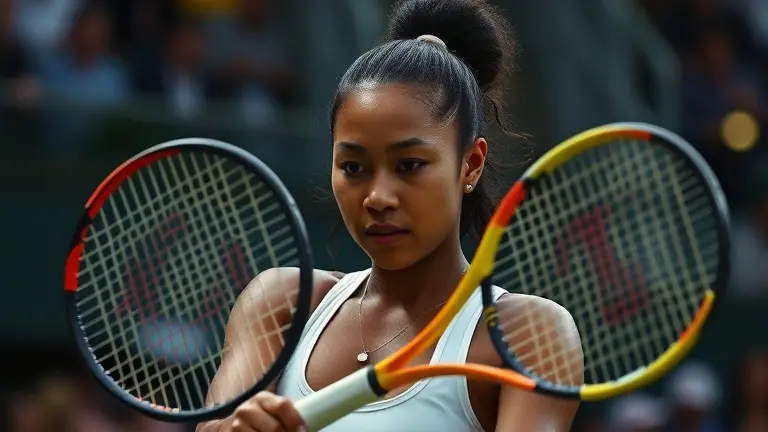
The grass courts of Wimbledon 2026 delivered a stunning seismic shift on July 7, as Karolina Muchova outclassed Naomi Osaka in a gripping straight-sets victory, 7-6, 6-4. Entering the quarterfinals with immense momentum following an upset victory over No. 1 Aryna Sabalenka, Osaka appeared destined for a deep run. However, Muchova’s tactical brilliance—characterized by her exquisite use of court geometry and relentless rhythm-breaking—silenced the skeptics and derailed the Osaka narrative. For fans and analysts, this match was far more than a simple exit; it was a defining turning point that highlights the thin margin between victory and defeat at the highest echelon of professional tennis.
As the tennis world pivots toward the semifinals and the high-stakes clash between Muchova and Coco Gauff, the conversation has expanded beyond the scoreboard. We are witnessing an evolution in how elite players manage the intersection of style, strategy, and physical stamina. Beyond the tactical breakdown of this specific quarterfinal, this moment invites a deeper reflection on the demands of elite competition. How do the world’s best athletes maintain the metabolic consistency required to execute under such intense, high-pressure environments? It is a question that resonates far beyond the baseline.
Wimbledon 2026: Naomi Osaka’s Quarterfinal Journey Ends Against Muchova

The 2026 Wimbledon campaign for Naomi Osaka concluded in a poignant quarterfinal clash on July 7, where she was defeated by Karolina Muchova in straight sets, 7-6(4), 6-4. Entering the match with significant momentum after a stunning upset victory over world No. 1 Aryna Sabalenka, Osaka appeared poised to make a deep run into the final weekend. However, the tactical precision of muchova ultimately disrupted the rhythm that had defined Osaka’s earlier performances. While the atmosphere at the All England Club was electric, the match served as a stark reminder of the volatile nature of elite tennis, where the physical and emotional tax of a high-stakes upset often presents a hurdle in the following round.
Tactical Shifts and Key Turning Points
The contest was defined by a classic struggle between power and finesse. Osakas tennis remained aggressive throughout, but Karolína Muchová utilized a sophisticated array of slices, net approaches, and drop shots to neutralize the baseline pressure. Evidence from the court suggested that Osaka struggled to maintain her service efficiency as the match progressed, leading to critical breaks at pivotal junctures. Key takeaways from the encounter include:
- Shot Variety: Muchova’s willingness to disrupt the pace prevented Osaka from finding a consistent strike zone.
- The Tiebreak Factor: Dropping the opening set in a tight tiebreak clearly shifted the momentum, forcing Osaka to play catch-up for the remainder of the afternoon.
- Physical Resilience: Analysts noted that Osaka, while visibly focused, appeared to be managing the lingering physical intensity from her previous victory over Sabalenka.
This defeat serves as a definitive turning point in the 2026 season for both athletes. While Naomi Osaka continues to rebuild her ranking and confidence on the grass surface, Muchova now shifts her focus toward a high-stakes semifinal matchup against Coco Gauff. The result highlights the increasing parity within the women’s draw, where strategic adaptability is proving just as essential as raw power in navigating the final stages of a Grand Slam tournament.
Tactical Breakdown: How Muchova Neutralized the Osaka Power Game

The quarterfinal clash at Wimbledon 2026 served as a masterclass in tactical variety, with Karolína Muchová providing a blueprint for dismantling high-octane baseline aggression. While Naomi Osaka entered the match following a high-profile upset of the world’s top-ranked player, she struggled to maintain the same rhythm against Muchová’s multifaceted approach. Muchová repeatedly disrupted Osaka tennis patterns by refusing to engage in prolonged, flat-hitting rallies, instead opting for a “chaos” style of play that kept the former champion off-balance.
The Anatomy of the Upset
Muchová’s strategy centered on three primary tactical pillars:
- Strategic Slicing: By utilizing a low, skidding backhand slice, Muchová prevented Osaka from getting under the ball to generate her trademark heavy topspin winners.
- Net Transitions: Muchová secured critical points by closing the net quickly, forcing Osaka to hit passing shots under pressure, which often led to unforced errors.
- Pacing Variation: Muchová utilized high-looping moonballs and drop shots to drag Osaka into the forecourt, an area where the latter remains less comfortable than on the baseline.
Metrics from the match highlight the shift in momentum following the first-set tiebreak. Osaka’s first-serve percentage dipped significantly in the second set, allowing Muchová to capitalize on second-serve opportunities and dictate court position. While Naomi Osaka showed flashes of brilliance with her raw power, the statistical disparity in “winners-to-unforced-errors” revealed that Muchova had successfully forced her opponent into lower-percentage play. The result serves as a tactical pivot for both; Muchová moves forward with a high-stakes semifinal against Coco Gauff, while Osaka must refine her ability to counter players who prioritize variety over pure speed. This match confirms that on the grass courts of Wimbledon, tactical ingenuity remains the ultimate equalizer against sheer power.
The Road Ahead: Muchova vs. Gauff Semifinal Preview
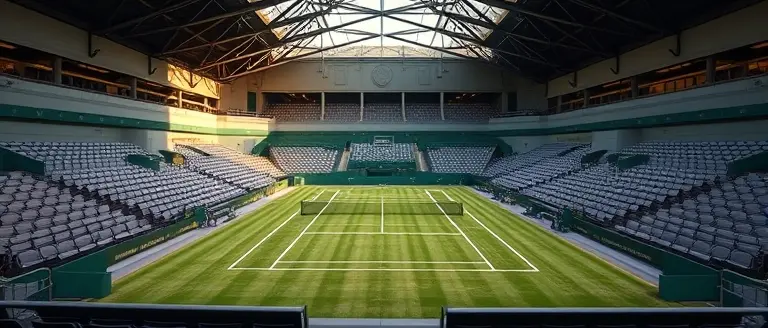
Following her impressive victory over Naomi Osaka, Karolína Muchová now faces a monumental test in the Wimbledon 2026 semifinals against Coco Gauff. While the tennis world continues to digest the tactical masterclass Muchova displayed in her straight-sets win, the focus must shift toward how her versatile, craft-based game will hold up against the sheer pace and athleticism of Gauff. Muchova’s ability to disrupt the rhythm of heavy hitters—which proved fatal to osaka tennis strategies during the quarterfinals—will be pushed to the limit as she attempts to neutralize Gauff’s elite court coverage and aggressive baseline transition.
Tactical Scouting Report: Style vs. Style
The upcoming clash is a classic battle between finesse and power. Analysts suggest that Karolina Muchova will need to maintain the same low-margin precision that allowed her to dictate points against Osaka. Conversely, Gauff’s path to victory lies in her ability to force errors through sustained depth. Key factors to watch include:
- Net Play Efficiency: Muchova’s frequent forays to the net will be challenged by Gauff’s improved passing shots and lobs.
- Serve Consistency: Both players rely on high first-serve percentages to dictate early momentum; any dip in form here will provide an immediate advantage to the returner.
- Mental Resilience: Having navigated the high-pressure environment of the quarterfinals, both competitors enter this match with proven endurance.
How to Watch
Fans looking to follow the conclusion of this Grand Slam narrative should prepare for a prime-time slot. Typically, Wimbledon semifinals are broadcast in the morning for US viewers, with coverage beginning at 8:00 AM ET on ESPN and the ESPN+ streaming platform. As the tournament reaches its climax, viewers should check local listings, as start times are subject to change based on the duration of preceding matches on Centre Court. As Muchova aims to carry the momentum from her win over Naomi Osaka into a final berth, this encounter remains a must-watch highlight of the 2026 season.
Osaka’s 2026 Trajectory: Assessing the Comeback Momentum

While the quarterfinal exit at the hands of Karolína Muchová may sting, Naomi Osaka’s performance throughout the 2026 Wimbledon tournament serves as a definitive statement regarding her return to elite status. The match, which concluded 7-6, 6-4, highlighted the tactical nuances that define modern tennis, but it also masked the broader reality of Osaka’s resurgence. By defeating the No. 1 seed, Aryna Sabalenka, in the previous round, Osaka proved she possesses the high-octane firepower to dismantle the tour’s most dominant players. This run marks her most successful Grand Slam campaign in recent memory, suggesting that her game is recalibrating toward the consistency required for consistent deep-draw finishes.
The Path Toward Hard-Court Dominance
Rather than viewing this defeat as a setback, analysts point to her sustained improvement in court movement and defensive resilience. Muchova’s ability to disrupt rhythm with varied shot selection undoubtedly presented a learning opportunity for Osaka tennis as she prepares for the upcoming hard-court swing. Her current trajectory reveals a player who is not merely participating but actively threatening the top of the rankings.
Key takeaways from her 2026 Wimbledon journey include:
- Strategic Versatility: Her ability to transition from pure baseline aggression to structured point construction has evolved, showing a more mature court presence.
- Top-Seed Validation: The tactical win over Sabalenka provides undeniable data that Osaka’s peak performance levels remain among the best in the world.
- Consistency Metrics: Moving beyond the “all-or-nothing” style, Osaka has demonstrated improved second-serve stability and decision-making under pressure.
Looking ahead, the focus shifts to how this confidence carries into the summer. If her performance in London is any indicator, Naomi Osaka has effectively bridged the gap between her explosive past and a refined, modernized professional identity. Her camp will likely emphasize the importance of sustaining this momentum, as she appears better equipped than ever to challenge for major titles during the remainder of the 2026 season.
Mastering Your Own Athletic Longevity
The Wimbledon 2026 quarterfinal showdown between Naomi Osaka and Karolina Muchova serves as a masterclass in the necessity of sustained, high-output energy. While Muchova’s tactical disruption ultimately dismantled Osaka’s rhythm, the broader lesson remains clear: at the elite level of any pursuit, consistency is the ultimate currency. Whether you are battling for a Grand Slam title or navigating the demanding pressures of a professional career, your ability to maintain physical and metabolic resilience dictates your ceiling for success.
Just as top-tier athletes require precise metabolic management to perform at their absolute peak, optimizing your internal fuel is the secret to winning your daily grind. This is where CitrusBurn bridges the gap between spectator and performer. Designed to support consistent, stimulant-free energy production and optimized fat-burning, it provides the metabolic edge necessary to mirror the endurance and focus demonstrated by the world’s best athletes. It is not just about keeping up; it is about accelerating your capacity for excellence.
By integrating CitrusBurn into your routine, you are choosing to invest in the same caliber of performance-oriented support that powers true professionals. It is the natural next step for anyone ready to transcend standard limitations and unlock a higher gear in their daily performance. Ready to perform at your peak? Discover how CitrusBurn can help you achieve the same metabolic edge that powers top-tier consistency.
 Ready to perform at your peak? Discover how CitrusBurn can help you achieve the same metabolic edge that powers top-tier consistency.Transform My Energy Today!