
The NFL community and sports fans worldwide are grappling with the heart-wrenching revelation that former Dallas Cowboys defensive end Marshawn Kneeland was suffering from Stage 1 Chronic Traumatic Encephalopathy (CTE) at the time of his death. At just 24 years old, Kneeland’s posthumous diagnosis—confirmed by researchers at Boston University—has transcended the headlines to become a poignant symbol of the hidden, long-term costs of professional football. For a young athlete who transitioned from a standout career at Western Michigan University to the high-stakes environment of the NFL, this finding illuminates the silent, often devastating progression of neurological trauma in the prime of life.
This medical milestone demands more than just passing attention; it requires a systemic reevaluation of how we understand player safety, mental health, and the physical toll of the game. By moving beyond the tragic narrative of his passing, we can begin to examine the complexities of Stage 1 CTE and the critical necessity for advancements in long-term neurological care for athletes. As the sports world confronts this reality, it sets the stage for a deeper discussion on whether modern protocols are sufficient to protect the future of those who dedicate their bodies to the sport.
Understanding the Marshawn Kneeland Diagnosis: A Medical Perspective

On July 7, 2026, researchers at Boston University confirmed that former Dallas Cowboys defensive end Marshawn Kneeland was suffering from Stage 1 Chronic Traumatic Encephalopathy (CTE) at the time of his death. The loss of the 24-year-old Grand Rapids native, who had transitioned from a standout career at Western Michigan University to the professional ranks of the NFL, has sent shockwaves through the sports community. This medical confirmation serves as a somber milestone in the ongoing study of neurological health in contact sports, highlighting that the degenerative brain disease is not merely an ailment of aging veterans but a potential reality for athletes at the beginning of their careers.
The Significance of Stage 1 CTE in Young Athletes
The diagnosis of Stage 1 CTE in a patient as young as Kneeland provides critical data for medical researchers investigating the long-term impact of repetitive head trauma. Unlike more advanced stages of the disease, which are often characterized by significant cognitive decline, Stage 1 typically involves the accumulation of hyperphosphorylated tau protein in the cerebral cortex. While this stage is often subtle, its presence in a young professional athlete underscores several urgent realities regarding player safety:
- Early Onset Vulnerability: The pathology demonstrates that neurological damage can begin accumulating during collegiate years, long before an athlete reaches the peak of their professional career.
- Cumulative Exposure: The findings reinforce that the total burden of hits—rather than just a few high-profile concussions—is the primary driver for protein buildup.
- Clinical Complexity: Understanding how early-stage physiological changes correlate with mental health symptoms remains a top priority for neuroscientists working with the Boston University brain bank.
By identifying these markers in an athlete of Kneeland’s age, medical professionals are gaining a clearer, albeit heartbreaking, view of how the physical toll of football manifests systemically. This case forces a renewed national conversation regarding the adequacy of current protocols and the necessity for continued longitudinal research to protect the next generation of football players.
What Is Stage 1 CTE? Decoding the Science
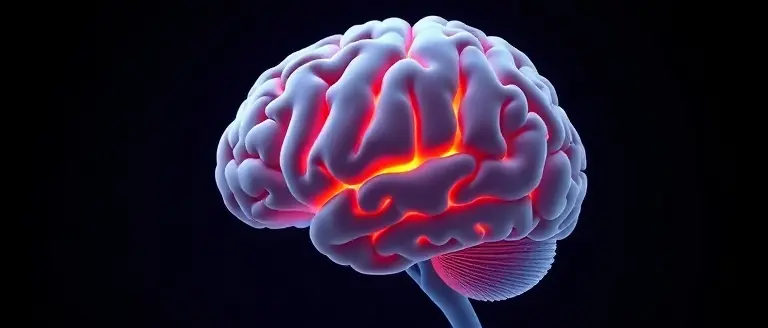
Chronic Traumatic Encephalopathy (CTE) is a progressive degenerative brain disease found in individuals with a history of repetitive head impacts. While often associated with elderly former athletes, the recent posthumous diagnosis of Marshawn Kneeland at age 24 highlights a sobering reality: neurological damage can manifest early in a professional career. Researchers at the Boston University CTE Center—the global leader in this field—utilize rigorous brain bank protocols to identify the microscopic changes that define this condition.
Understanding the Progression of CTE
The pathology of CTE is categorized into four distinct stages based on the accumulation of phosphorylated tau protein. In healthy brains, tau stabilizes internal cell structures; however, following repetitive trauma, these proteins misfold and aggregate, eventually killing brain cells.
- Stage 1: Tau deposits are typically focal, localized in the superior and dorsolateral frontal cortex, specifically within the brain’s sulci (the shallow grooves on the brain’s surface). Symptoms at this early stage may be subtle or even asymptomatic, often involving mild headaches or difficulties with concentration.
- Stage 2: The tau pathology begins to spread to more regions of the frontal and temporal lobes.
- Stage 3 & 4: The disease advances through the hippocampus, amygdala, and brainstem, leading to profound cognitive impairment, emotional instability, and memory loss.
The diagnosis in a young athlete like Kneeland confirms that the physiological “seed” for this disease is planted long before the onset of traditional retirement age. By focusing on the accumulation of tau in the sulci, BU researchers have provided the gold standard for clinical confirmation. This finding dispels the dangerous myth that CTE is exclusively a condition for aging retirees, proving instead that the cumulative effect of hits—even in the early stages of a professional tenure—can initiate a permanent, degenerative process within the human brain. Understanding these markers is essential for evaluating the long-term safety protocols for current players in the NFL.
The Silent Toll: Analyzing Neurological Risks in Young Athletes

The posthumous diagnosis of Stage 1 Chronic Traumatic Encephalopathy (CTE) in former Dallas Cowboys defensive end Marshawn Kneeland serves as a harrowing reminder that the neurological risks associated with football are not limited to retired veterans in their twilight years. At just 24 years old, Kneeland’s condition underscores a growing body of evidence that neurodegeneration can begin early in a professional athlete’s career. While the NFL has implemented various safety protocols to address acute concussions, medical experts increasingly point to the cumulative nature of sub-concussive hits—repeated, non-concussive impacts that occur during every practice and game—as the primary driver of long-term brain trauma.
The Mechanism of Cumulative Brain Trauma
The pathology of CTE is rooted in the buildup of tau protein within the brain, which disrupts neural communication and leads to cognitive, mood, and behavioral changes. In the context of professional football, the challenge lies in the frequency of high-impact collisions. Key factors influencing this risk include:
- Exposure Duration: Longitudinal studies suggest that the total number of years played, beginning as early as youth leagues, correlates with a higher risk of developing degenerative brain disease.
- Sub-Concussive Loads: Unlike a concussion, which presents immediate symptoms, sub-concussive impacts often go unnoticed, allowing players to remain in the game while accumulating cellular damage.
- Early Manifestation: The discovery of Stage 1 CTE in players under the age of 25 challenges the notion that football-related neurodegeneration is strictly an “old-age” concern.
Medical professionals and researchers at institutions like Boston University are now advocating for greater transparency regarding these inherent risks. The transition from elite collegiate programs, such as those at Western Michigan University, to the punishing physical requirements of the professional level necessitates a more proactive approach to mental and neurological health. For the NFL, the goal must shift from reactive injury management toward systemic, long-term monitoring. By acknowledging that even young, peak-performance athletes are vulnerable, the league faces mounting pressure to redefine player longevity, prioritize brain health over aggressive contact, and provide comprehensive psychological support structures that address the invisible toll of the sport.
Moving Forward: Enhancing Player Safety and Mental Health Support

The posthumous diagnosis of Stage 1 CTE in Marshawn Kneeland has served as a sobering catalyst for the NFL and the broader football community to re-evaluate its approach to neurodegenerative risks. At just 24 years old, Kneeland’s condition underscores that the physical toll of the sport is not merely a long-term concern for retired veterans, but an immediate reality for young professionals. To address this, the league must accelerate the transition from reactive protocols to a proactive, holistic health model that prioritizes cognitive longevity with the same intensity as musculoskeletal recovery.
Integrating Technology and Cultural Reform
Enhancing safety requires a multi-layered approach that blends emerging technology with fundamental cultural shifts. Innovations in helmet engineering, specifically those designed to mitigate rotational acceleration—a primary driver of sub-concussive brain trauma—must be mandated across all levels of play. Beyond hardware, the integration of real-time sensor data can help medical staffs identify players who have absorbed dangerous cumulative workloads during practice and game scenarios.
Crucially, the sports industry must foster an environment where cognitive health is destigmatized. This cultural pivot involves:
- Year-Round Mental Health Integration: Moving beyond seasonal support to provide continuous access to specialized neurologists and mental health professionals who understand the specific pressures of professional athletics.
- Cognitive Baseline Monitoring: Establishing more frequent and sophisticated longitudinal brain health tracking from the collegiate level through the end of an athlete’s professional career.
- Transparency and Education: Ensuring that players, coaches, and staff are fully educated on the early warning signs of neurological degradation, treating these symptoms as medical emergencies rather than hurdles to be pushed through.
By treating the CTE crisis with the systemic urgency it demands, the football community can move toward a sustainable future where the safety of the individual is placed at the center of the sport’s evolution. Ensuring that young athletes have the support structures necessary to process both the physical and emotional demands of the game is not just a policy requirement—it is a moral imperative.
A New Era of Brain Resilience
The posthumous diagnosis of Stage 1 CTE in Marshawn Kneeland serves as a sobering reminder that the risks of professional football extend far beyond the gridiron. While the league continues to navigate evolving safety protocols and medical research, the conversation has reached a critical turning point. It is no longer enough to wait for symptoms to appear; the focus must shift toward proactive, foundational brain health and the lifelong care of the neurological systems that support our cognitive well-being.
As we address the systemic challenges of brain trauma, it becomes increasingly important to integrate science-backed practices into our daily lives that foster neuroplasticity and overall resilience. This is where modern advancements in cognitive support can play a vital role. By prioritizing habits that promote the production of Brain-Derived Neurotrophic Factor (BDNF), we can take a proactive step in maintaining cognitive clarity and focus, regardless of our history with physical impact.
The Brain Song offers a unique, non-invasive approach to cognitive maintenance by leveraging auditory stimulation to support brain-derived wellness. By integrating this tool into your routine, you are choosing a path that values long-term neurological health, providing a foundation that is as essential for the everyday athlete as it is for the professional. It is time to treat your brain health with the same intensity and precision as any other aspect of your physical wellness.
 Learn more about how daily auditory stimulation can help support your cognitive resilience and brain-derived wellness.Protect My Brain Health Today!