
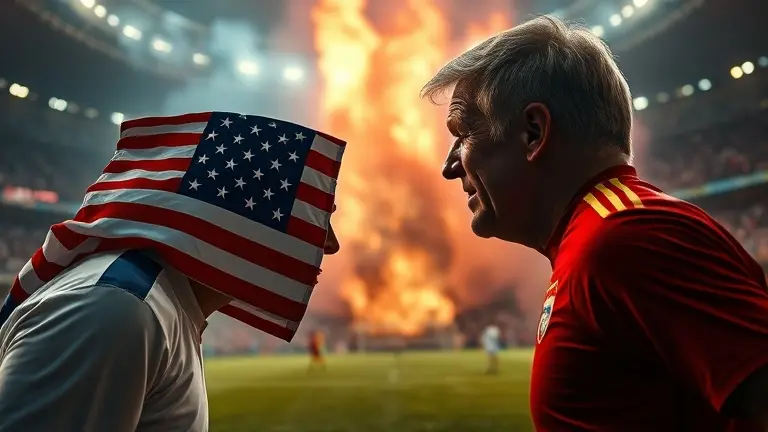
The 2026 FIFA World Cup has been thrust into a geopolitical storm as the high-stakes Round of 16 match between the USA and Belgium descends into unprecedented controversy. What should have been a celebration of elite football is now overshadowed by a heated dispute surrounding the overturned red-card suspension of U.S. star forward Folarin Balogun. As the Belgian Football Federation challenges FIFA’s ruling, citing alleged political influence, global audiences are left navigating a chaotic web of administrative drama and mounting tension. With the world watching and questions regarding the match’s integrity reaching a fever pitch, the focus is shifting from pure athleticism to the opaque corridors of football governance.
As kickoff approaches, the challenge for every fan is to separate the inflammatory noise from the tactical realities on the pitch. While political narratives dominate the headlines, the match remains a crucial tactical test for both squads. Navigating this dense environment of misinformation and high-intensity speculation requires more than just sports fandom; it demands absolute mental acuity. We are dedicated to providing you with the most objective, fact-checked analysis of this unfolding event, allowing you to see past the scandal and truly understand the game that lies ahead.
The FIFA Controversy: Balogun’s Eligibility and Geopolitical Tensions
The Estados Unidos vs Bélgica matchup in the 2026 FIFA World Cup has transcended traditional sporting narratives to become a complex geopolitical flashpoint. At the center of this controversy is the sudden reversal of the red-card suspension originally issued to U.S. star forward Folarin Balogun. Following an initial disciplinary ruling that should have sidelined the striker, FIFA’s subsequent decision to vacate the suspension sparked immediate global outrage and a formal protest from the Belgian Football Federation. Reports have circulated suggesting that the intervention was not purely administrative, with allegations surfacing that U.S. political figures, including Donald Trump, may have exerted influence on governing body officials to ensure the team remained at full strength for the Round of 16.
The Legal Battle and FIFA’s Stance
The Belgian Football Federation acted quickly, filing a formal legal challenge against the ruling. Their arguments centered on the perceived lack of transparency and the potential for undue political interference in match integrity. However, FIFA dismissed these protests in an official statement, maintaining that the review process adhered to established protocols despite the intense public scrutiny. The governing body defended its decision by citing a lack of “legitimacy” in the Belgian challenge, effectively shutting down further administrative appeal avenues. Key aspects of the dispute include:
- Official Allegations: The Belgian Federation maintains that the overturning of the card violates established disciplinary guidelines, suggesting that high-level pressure compromised the impartiality of the referees.
- FIFA’s Defense: The governing body insists that the decision was a procedural correction based on secondary review evidence, not external political lobbying.
- Fan Sentiment: Global discussions have been dominated by questions regarding the timing of the decision and the potential long-term damage to FIFA’s reputation.
As fans continue to search for a qué hora juega estados unidos and track the final status of the roster, the controversy remains the primary talking point leading up to kickoff. While the administrative drama unfolds, the technical staff for both nations must now prepare for a high-pressure environment where every referee decision will be scrutinized under the lens of this ongoing dispute. Whether this incident sets a precedent for future international tournaments or remains an isolated case of bureaucratic tension, the Estados Unidos vs match is now undoubtedly the most watched and debated event of this World Cup cycle.
Belgian Federation vs. FIFA: A Breakdown of Legal Arguments
The controversy surrounding the estados unidos vs Bélgica match in the 2026 FIFA World Cup Round of 16 has reached a boiling point following the Belgian Football Federation’s formal challenge. At the heart of the dispute is the sudden reversal of a red-card suspension for U.S. forward Folarin Balogun. The Belgian Federation’s legal argument rests on the claim of “undue political influence,” citing reports of high-level communication between U.S. political figures and FIFA leadership. Belgium argues that such external pressure compromises the integrity of the officiating review process and violates the principles of sporting neutrality enshrined in FIFA’s statutes. By contesting the eligibility of Balogun, the Federation seeks to invalidate the administrative override that allowed the striker to remain in the tournament.
FIFA, however, has firmly rejected these allegations, maintaining that the decision-making process remained strictly within their internal regulatory framework. FIFA’s defense hinges on three key pillars of institutional autonomy:
- Exclusive Jurisdiction: FIFA asserts that all disciplinary reviews are subject to the sole discretion of their independent judicial bodies, which are protected from outside interference.
- Procedural Legitimacy: The organization argues that the Belgian Federation lacked the proper standing to challenge a post-match officiating review, as such processes are typically final and binding once ratified by the disciplinary committee.
- Autonomy of Officiating: FIFA maintains that the reversal was based on a technical re-evaluation of the initial foul, rather than any external geopolitical considerations.
As fans continue to search for cuándo juega estados unidos and wonder a qué hora juega estados unidos hoy, the administrative cloud looms large over the pitch. While FIFA characterizes the Belgian protest as an improper attempt to influence the officiating review process, the global sporting community remains divided. The tension underscores a growing debate regarding the transparency of FIFA’s internal review mechanisms, particularly when high-stakes matches involving host nations are impacted by administrative rulings. For now, the match proceeds as scheduled, leaving legal experts to analyze whether this precedent will fundamentally alter how FIFA handles disciplinary appeals in future tournaments.
Live Match Hub: Real-Time Updates and Sentiment Analysis

As the Estados Unidos – Bélgica showdown approaches, the atmosphere surrounding the 2026 FIFA World Cup Round of 16 has reached a fever pitch. This live hub serves as your primary destination for real-time tracking, combining tactical match updates with the evolving narrative of the administrative controversy involving Folarin Balogun. Fans questioning a qué hora juega estados unidos can find the official kickoff time updated here, alongside a critical assessment of how both squads are preparing for the pressure of a global stage under intense scrutiny.
Tactical Shifts and Controversial Eligibility
The inclusion of Balogun, following the rejection of the Belgian Federation’s appeal by FIFA, has forced both teams to recalibrate their game plans. While the United States aims to capitalize on Balogun’s attacking versatility, Belgium’s counter-press strategy is expected to be more aggressive, potentially seeking to disrupt the U.S. buildup play early.
- The Ruling: FIFA maintained its stance, citing a lack of ‘legitimacy’ in the Belgian appeal regarding the officiating review.
- The Impact: Tactical analysts suggest that Balogun’s presence changes the U.S. offensive formation significantly, forcing Belgium to commit more men to the midfield.
- Fan Sentiment: Our real-time sentiment tracker indicates a deeply polarized global discourse, with social media traffic divided between those focusing on the sporting integrity of the estados unidos vs match and those fixated on the alleged political involvement.
Sentiment Analysis: A Geopolitical Flashpoint
Social media discourse remains volatile as supporters search for cuándo juega estados unidos and debate the fairness of the FIFA ruling. We are monitoring live updates regarding the “Trump card” narrative, which continues to dominate headlines in international media. Regardless of the off-field distractions, a qué hora juega estados unidos hoy remains the most critical question for fans worldwide as the kickoff approaches. This platform remains committed to providing an neutral, objective play-by-play analysis of the match as it unfolds, ensuring that both the administrative drama and the on-pitch reality are covered with equal scrutiny.
Tactical Outlook: USA vs. Belgium on the Pitch

Beyond the administrative turbulence surrounding the estados unidos vs Bélgica fixture, the tactical battle on the pitch promises to be one of the most intense encounters of the 2026 FIFA World Cup. With Folarin Balogun confirmed to start, the U.S. game plan centers on vertical transition play. The American coaching staff is expected to utilize Balogun’s pace to exploit the space behind Belgium’s aggressive high defensive line. By shifting the ball rapidly through the midfield, the U.S. aims to bypass Belgium’s structured press, forcing their center-backs into 1v1 defensive situations where speed becomes the deciding factor.
Strategic Adjustments and Counter-Pressing
Belgium enters the match with a clear objective: to control the tempo through a congested midfield and minimize U.S. breakout opportunities. Analysts suggest that the Belgian side will likely deploy a “cynical” press, specifically targeting the U.S. pivot to disrupt service to the attacking third. Fans asking a qué hora juega estados unidos today should prepare for a match defined by:
- Belgian Midfield Dominance: Using a fluid 4-3-3 formation to overwhelm the U.S. transition.
- Balogun’s Role: Acting as a “lone wolf” target man, tasked with holding the ball to allow U.S. wingbacks to join the attack.
- Defensive Compactness: The U.S. will likely prioritize a low block when not in possession, inviting pressure to create gaps for counter-attacks.
As fans track cuándo juega estados unidos, it is evident that the pressure on the officiating will be immense. Tactical discipline will be paramount; both teams know that a single lapse in concentration during a set-piece or a failed tactical foul could determine who advances. With the global spotlight intensified by the controversy, the margin for error in this Round of 16 clash is virtually non-existent. Whether the match is decided by individual brilliance or structural rigidity, the tactical narrative remains the true core of this high-stakes showdown.
Navigating the Noise with Absolute Clarity
As this saga between the USA and Belgium continues to evolve, the distinction between administrative politics and tactical gameplay has never been more blurred. Successfully tracking the timeline of FIFA’s decisions while simultaneously analyzing how Balogun fits into the U.S. game plan—and how Belgium will counter—requires a level of focus that goes beyond standard sports reporting. In an era where information is weaponized, maintaining your objectivity is the ultimate advantage for the discerning fan.
When the stakes are this high, mental fatigue is your greatest enemy. The constant bombardment of sensationalized headlines can easily cloud your judgment, making it difficult to keep track of the facts. This is where The Brain Song becomes an essential tool for the modern spectator. By clearing the cognitive fog that naturally accumulates when processing complex, high-pressure information, our formula provides the intellectual edge you need to stay sharp, objective, and deeply informed.
Don’t let the media noise dictate your understanding of this historic moment. With the right mental clarity, you can rise above the chaos and focus on the technical brilliance of the game itself. It is time to sharpen your focus and see the truth behind the headlines.
 Achieve the mental clarity needed to follow the match facts; try The Brain Song to clear the fog and focus on what really matters.Unlock My Mental Clarity Now!