
The 2026 FIFA World Cup has transformed into a high-stakes arena where the excitement of the knockout rounds is fueling global debates, from heated discussions about red cards to speculation over continental dominance. As European titans clash in the Round of 16—with the high-profile Portugal vs. Spain match dominating today’s headlines—many casual fans find themselves searching for clarity on the structure behind the chaos. The confusion between UEFA’s role in developing these world-class talents and FIFA’s governance of the World Cup is reaching an all-time high, especially as viral narratives and tournament pressures mount.
Navigating the 2026 World Cup bracket requires more than just passion; it demands a sharp mind capable of distinguishing between regional influence and global stakes. Whether you are tracking the latest FIFA results or analyzing the tactical nuances that define the path to the trophy, understanding the tournament’s framework is crucial. In this guide, we break down the bracket, demystify the influence of UEFA member associations, and provide the analytical edge you need to stay ahead of the curve as the tournament moves toward the quarterfinals.
Understanding the Confusion: UEFA vs. FIFA in the 2026 World Cup
As the 2026 World Cup reaches its fever pitch, many casual fans find themselves wondering about the relationship between UEFA and FIFA. While these organizations are frequently mentioned in the same breath, they serve entirely different roles in the global soccer ecosystem. FIFA (Fédération Internationale de Football Association) is the international governing body responsible for organizing the World Cup, which is a global tournament featuring national teams from every continent. In contrast, UEFA (Union of European Football Associations) is the administrative body for soccer in Europe. It oversees continental competitions such as the UEFA European Championship and the UEFA Under-19 Championship, currently taking place in Wales.
The primary reason for the current public conflation of these two bodies is the sheer dominance of European nations in the World Cup 2026 knockout stages. With high-profile matches like the Portugal vs. Spain Round of 16 clash dominating headlines, the tournament essentially feels like a massive European showcase. Because a significant portion of elite global talent plays under the UEFA banner, fans often associate the high-level quality and the structural governance of the World Cup with the European body, even though the event is strictly under the jurisdiction of FIFA.
Distinguishing Governance from Competition
Understanding this distinction is vital for interpreting FIFA results and tournament officiating. Key differences include:
- Jurisdiction: FIFA manages worldwide regulations, while UEFA manages continental leagues and tournaments within Europe.
- Scheduling Overlap: The current excitement surrounding the UEFA Under-19 Championship occasionally cross-pollinates with World Cup search trends, leading to algorithmic confusion for users searching for “UEFA” during the tournament.
- Regulatory Context: Recent political discourse regarding “red card” rules in the World Cup has brought global governance into focus, highlighting how FIFA’s mandate differs from the regional policies enacted by UEFA for its own tournaments.
By recognizing that UEFA represents the interests and structures of European federations while FIFA orchestrates the global stage, fans can better navigate the complexities of the current knockout bracket. Whether you are tracking the Golden Boot race or analyzing team performance, knowing who sets the rules—and who organizes the competition—is essential for any informed soccer enthusiast.
Portugal vs. Spain: Analyzing the Round of 16 Showdown

The clash between Portugal and Spain in the Round of 16 stands as the pinnacle of the 2026 FIFA World Cup knockout stage today, June 6. While fans often look toward UEFA for the technical standards and elite talent development seen in European football, this specific encounter highlights the intense rivalry inherent in continental play. Both sides enter this fixture with formidable rosters, making it a difficult match to forecast. Tactically, Spain is expected to dominate possession through a disciplined 4-3-3 formation, aiming to break down Portugal’s resilient defensive block. Portugal, under high pressure to maintain their path toward the quarter-finals, will likely rely on quick transitions and the clinical finishing that has kept them relevant in the race for the Golden Boot.
Key factors that will influence this high-stakes showdown include:
- Midfield Control: The battle in the center of the pitch will define the tempo. Spain’s reliance on rapid passing sequences will be tested against Portugal’s physical midfield intensity.
- Defensive Discipline: With the increased scrutiny on officiating and recent viral discussions surrounding red cards, both teams must manage their defensive aggression carefully to avoid game-changing disciplinary actions.
- Star Power: Individual brilliance from veteran forwards on both sides remains the most likely variable to break a potential deadlock, especially if the game heads into extra time.
As enthusiasts track these fifa results, it is essential to remember that while the World Cup is a global spectacle governed by FIFA, the tactical sophistication displayed by both teams is a testament to the rigorous standards fostered by UEFA member associations. Current prediction markets show a razor-thin margin, with many experts leaning toward a defensive stalemate that could ultimately be decided by a single set-piece or a moment of tactical genius. For fans following the tournament, this match is a masterclass in modern European strategy, showcasing why these two nations remain at the forefront of international soccer.
Navigating the 2026 World Cup Knockout Bracket
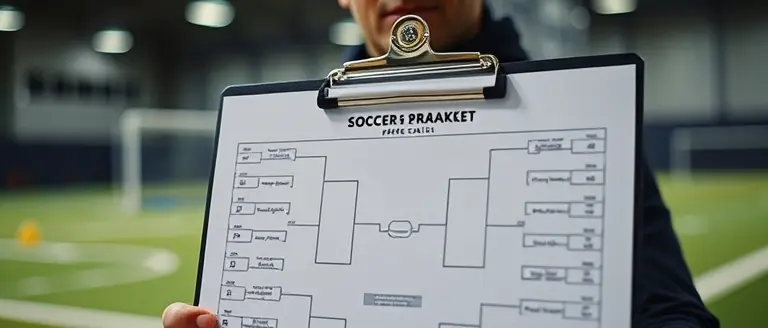
The 2026 World Cup knockout stage has reached a fever pitch, with the FIFA tournament showcasing a heavy concentration of talent from UEFA member associations. As fans track the latest fifa results, it is essential to distinguish between the global governance of FIFA and the continental influence of UEFA. European teams have dominated the Round of 16, demonstrating the tactical depth that has long defined the confederation’s international success. Today’s high-profile clash between Portugal and Spain serves as a microcosm of this strength, pitting two European heavyweights against each other in a pivotal battle for a quarter-final spot.
Understanding the Path to the Final
For casual observers, the bracket may appear complex, but the path to the championship is structured to reward consistent performance. European teams currently occupy half of the available slots, significantly increasing the probability that a UEFA-affiliated nation will hoist the trophy. To effectively navigate the bracket, consider the following elements driving the current competition:
- Regional Dominance: A significant majority of the surviving contenders represent UEFA, underscoring the continent’s consistent investment in high-level youth development and elite club infrastructure.
- The Golden Boot Race: As matches move into the quarter-finals, focus shifts to individual performance trackers. Top European strikers are currently leading the charge for the tournament’s top scorer honors.
- Rule Implications: Recent discourse surrounding “red cards” and tournament officiating has sparked widespread debate, influencing how teams approach their defensive discipline in high-stakes knockout fixtures.
As we look toward the quarter-finals, expect increased volatility in prediction markets. While the tournament is governed by FIFA, the strategic DNA of the remaining teams remains heavily influenced by the high standards of professional play seen in European leagues. Keep a close eye on tactical adjustments and squad rotations, as these factors—more than any political commentary or external narrative—will determine which nation advances to the next stage of this historic tournament.
Rule Controversies and the Impact of Red Cards

The 2026 tournament has seen a surge in public debate regarding disciplinary officiating, with high-profile red cards sparking intense discussion across social media and mainstream news. While casual fans often associate European football oversight with UEFA, it is essential to remember that the World Cup operates under strict FIFA governance. The viral discourse, which recently extended to comments from prominent political figures regarding the perceived severity of officiating, highlights a growing disconnect between fan expectations and the technical application of the Laws of the Game.
Understanding FIFA Disciplinary Standards
In the context of the knockout rounds, such as the high-stakes clash between Portugal and Spain, a red card can fundamentally alter a team’s trajectory. FIFA’s current disciplinary framework dictates that a direct red card results in an immediate ejection and at least a one-match suspension. Key factors influencing these decisions include:
- Serious Foul Play: High-intensity tackles that endanger the safety of an opponent.
- Violent Conduct: Aggressive behavior independent of a challenge for the ball.
- Denial of an Obvious Goal-Scoring Opportunity (DOGSO): Tactical fouls that prevent a clear chance at goal.
While observers often compare these outcomes to UEFA league standards, FIFA tournament rules are applied uniformly to ensure consistency across diverse international squads. Refereeing decisions are supported by the Video Assistant Referee (VAR) system, which aims to minimize human error in game-changing moments. Despite the viral nature of current “red card” controversies, official match reports show that the frequency of dismissals remains consistent with historical tournament data. Fans must distinguish between the regulatory authority of the world governing body and the regional administrative roles of bodies like UEFA, as FIFA holds sole jurisdiction over all FIFA results and disciplinary outcomes during the World Cup. Understanding these technical nuances is crucial for any fan tracking the bracket, as suspensions often dictate tactical shifts in the quarter-finals and beyond.
Master the Final Stages of the World Cup
As the FIFA World Cup 2026 reaches its fever pitch, navigating the complex web of governing bodies and high-stakes knockout brackets is essential for any true fan. Whether you are tracking the intense Portugal vs. Spain clash or dissecting the latest FIFA results, clarity is your ultimate competitive advantage. Understanding how UEFA’s powerhouses dominate the field is only half the battle; keeping your mind sharp enough to analyze the tactics behind every red card controversy is what sets the real experts apart from the casual viewers.
Keeping up with these rapid-fire tournament shifts can be mentally draining, often leading to a fog that clouds your analysis of critical statistics and player performances. Just as the elite athletes on the pitch need to stay sharp to execute the perfect play, you need the right focus to keep pace with the evolving Golden Boot race and the shifting dynamics of the Round of 16. That is where The Brain Song becomes your essential tactical companion, providing the cognitive clarity required to digest high-density data without the fatigue.
By integrating this auditory boost into your daily routine, you move from merely watching the game to mastering it. It is the only tool designed to help you maintain the mental edge needed to stay engaged through the grueling intensity of the tournament’s final stretch. Don’t let mental exhaustion cost you the nuance of the world’s biggest sporting event.
 Sharpen your analytical focus for the rest of the World Cup—get your daily 12-minute auditory boost with The Brain Song.Unlock My Mental Clarity Now!